CalenVoy operates a personally vetted network across 41 countries and 6 regions, Europe, Africa, Asia, North America, the Caribbean, and the Middle East. Each country links to a long-form travel guide.
Europe
France
Everyone goes to St Tropez. Almost nobody finds what is actually around it. The road into St Tropez in August tells you everything you need to know about why most people experience this corner of France incorrectly.
Read the France travel guideSpain
There is a version of Spain that everyone knows. The one with crowded beaches, sangria terraces, and resorts that deliver exactly what the brochure promised, nothing more, nothing less.
Read the Spain travel guideUnited Kingdom
There is a version of Britain every international visitor arrives expecting. London earns the attention it receives, and gives a great deal back. But Britain is not London, and several hundred miles north, the country reveals the version of itself it does not advertise.
Read the United Kingdom travel guideScotland
Everyone does Loch Ness as a photo-stop and drives on. East of the famous road lie the Cairngorms, Britain's only Arctic plateau, the last great remnants of the Caledonian pine forest, and the one stretch of the Highlands the country is actively bringing back to life.
Read the Scotland travel guideSweden
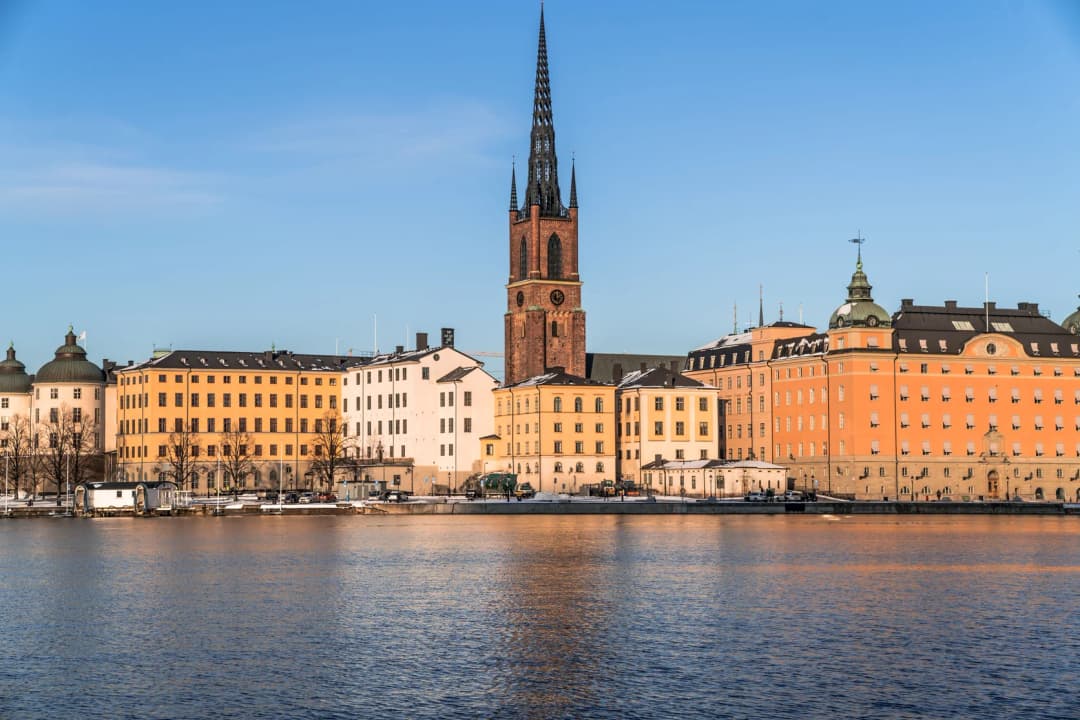
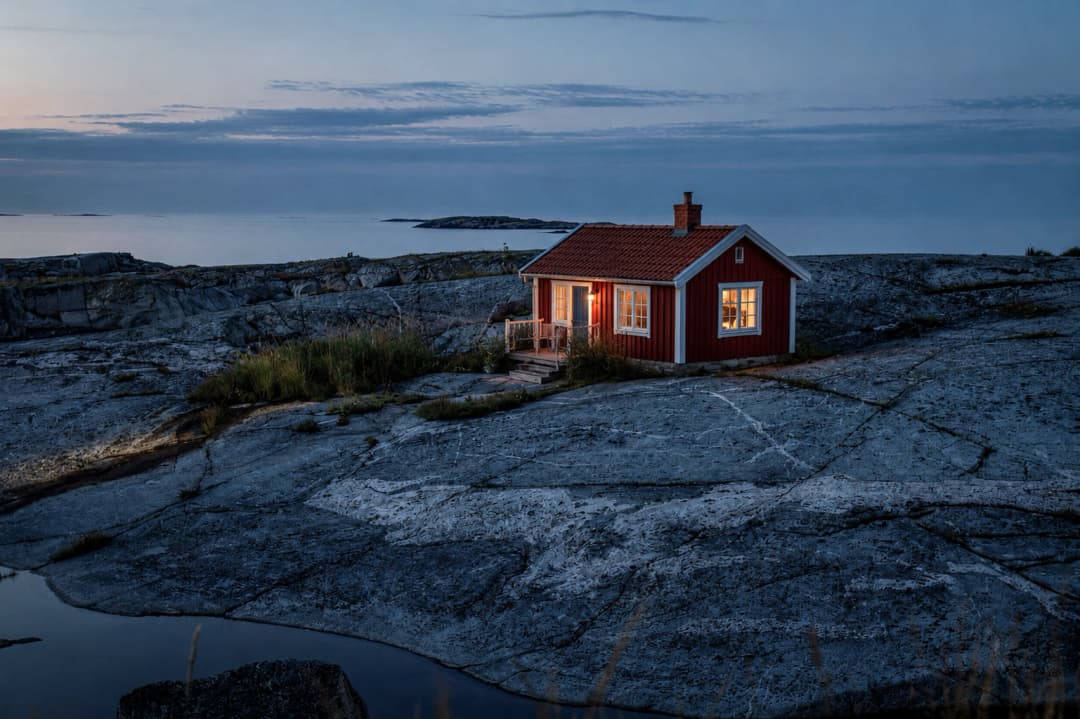
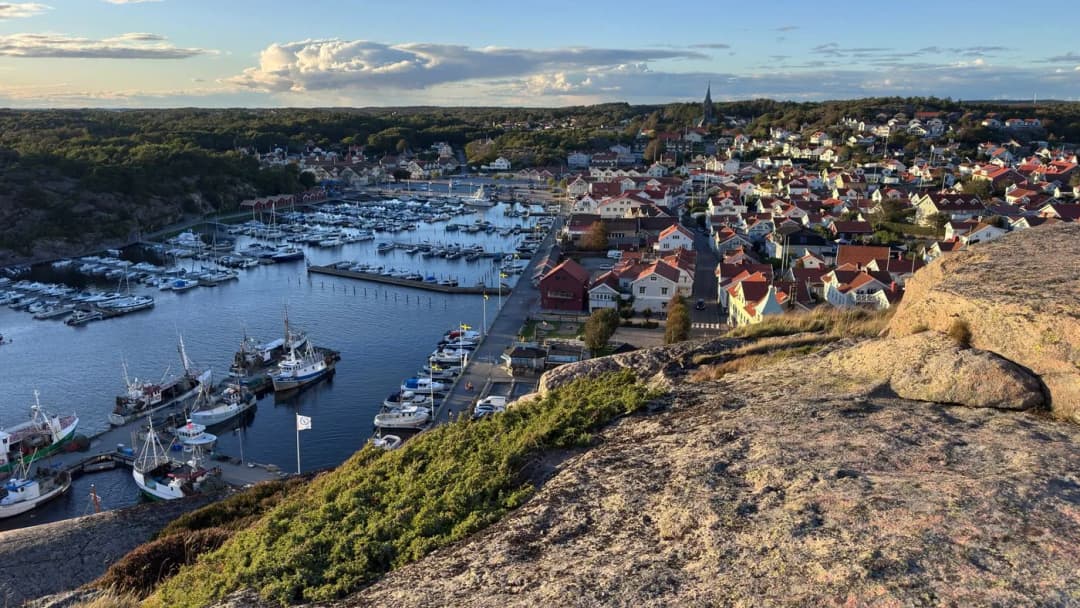
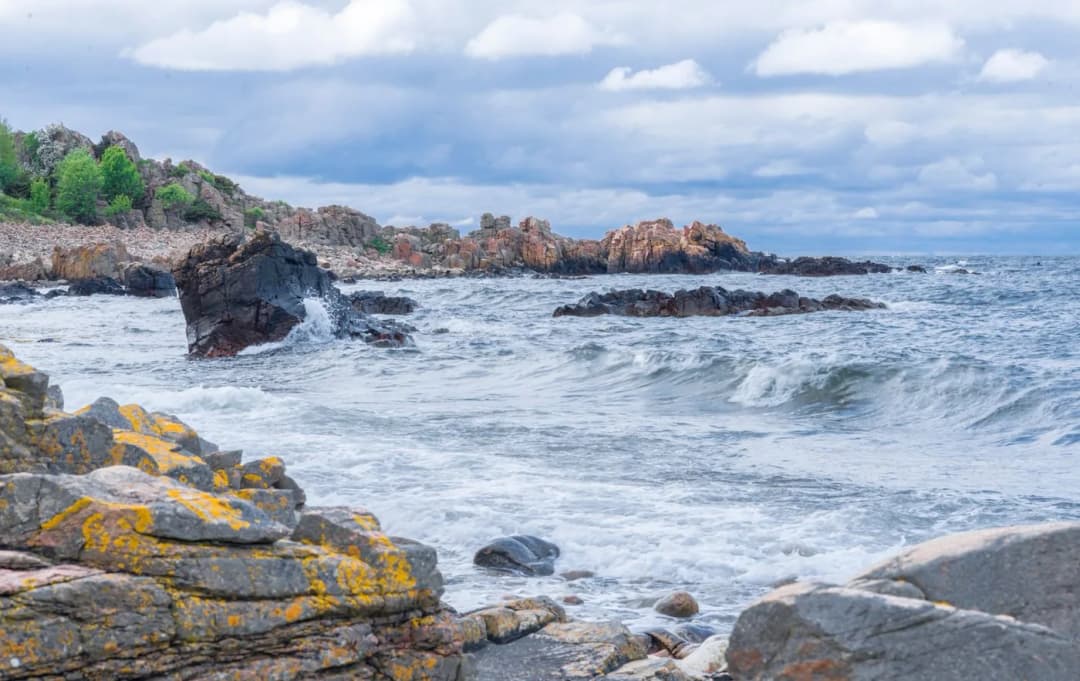
Everyone goes to Stockholm. Swedes spend their summers on the other coast entirely. Bohuslän, a 280-kilometre run of pink-grey granite skerries between Gothenburg and the Norwegian border, is where the country actually empties into every July.
Read the Sweden travel guideNorway
Everyone lands in Oslo. The country that matters begins four degrees of latitude further north. The Lofoten archipelago, a wall of Arctic peaks rising directly from the sea above the 68th parallel, is where Norway keeps its defining landscape.
Read the Norway travel guideGermany
Everyone goes to Berlin or Munich. An hour beyond the cities, the country reverts to something older and considerably more itself. The Chiemgau, pressed between Bavaria's largest lake and the Austrian Alps, is where Germans themselves retreat.
Read the Germany travel guideAustria
Everyone goes to Vienna. The Austria that actually shaped the empire sat, for six centuries, an hour east of Salzburg, a lake district of seventy-six lakes held directly by the Habsburg crown and the salt monopoly that paid for it. The Salzkammergut has never quite stopped being itself.
Read the Austria travel guideSwitzerland
Everyone arrives in winter, for a week, with the same photograph already in mind, the Matterhorn, the red train, the snow. The valley behind the resort holds the older country: forty peaks above four thousand metres standing over a valley floor warm enough for vineyards, and a two-hundred-year-old high route that walks from Mont Blanc to the Matterhorn straight through it.
Read the Switzerland travel guideGreece
Everyone arrives with the photograph already loaded. What it cannot show is what you are actually looking at. The white walls. The blue domes. The sunset over the caldera, replicated so many times across so many screens that it has become less a place than a shared assumption.
Read the Greece travel guidePortugal
Everyone goes to Lisbon. The country begins when you leave. The Alentejo and the Douro Valley, two of the least visited landscapes in Western Europe, are where Portugal keeps its best things.
Read the Portugal travel guideItaly
Everyone does Rome, Florence, the Amalfi Coast, and Venice in a single overrun afternoon. The north holds a different country: a lagoon the day-trippers never learn to read, and a range of mountains where Italy shades into the Alps and stops sounding Italian at all.
Read the Italy travel guideIreland
Everyone follows the same coastal circuit, Dublin, the cliffs, the Ring of Kerry. The Ireland the houses keep is inland and private: a country of Regency demesnes, parkland and lake, and five thousand years of history the coach never stops for.
Read the Ireland travel guideMalta
Everyone treats Malta as a cheap-flight package island. It is one of the most layered places in the Mediterranean, the oldest free-standing buildings on earth, the Knights, Caravaggio, a fortress capital, and a rock the whole sea has fought over for seven thousand years.
Read the Malta travel guideCroatia
Everyone crowds the walls of Dubrovnik and the decks of the party islands. A short boat ride offshore lies a different Adriatic: car-free islands, a quiet inland of truffles and wine, and the Dalmatia the cruise ships never reach.
Read the Croatia travel guideTurkey
Everyone does the same three things, Istanbul, the balloons over Cappadocia, the all-inclusive resort coast. The Turkey that rewards the seasoned traveller is the Aegean: quiet peninsulas, a boat in the bays, and the greatest concentration of the ancient world outside Italy.
Read the Turkey travel guideAfrica
Egypt
Everyone sees the pyramids. Almost nobody sees the country that built them the way it was meant to be seen. Upper Egypt, the stretch of Nile between Luxor and Aswan, holds the temples, the tombs, and a slow-boat tradition that reverses everything a cruise ship does.
Read the Egypt travel guideMorocco
Everyone goes to the medina in Marrakech. The country changes entirely the moment you cross the pass south. The High Atlas, the Drâa Valley's earth kasbahs, and the dunes at Erg Chigaga are the Morocco that the tour coaches turn back before reaching.
Read the Morocco travel guideSouth Africa
Everyone photographs Table Mountain. Almost nobody understands what they are actually standing on the edge of. The Cape, where two oceans collide at the end of a continent, and one of the world's oldest floras meets three and a half centuries of wine-making, rewards considerably more time than most visitors give it.
Read the South Africa travel guideTanzania
Everyone arrives for the migration photograph and the Zanzibar beach. The country between them, the Crater Highlands, the cultures of the Rift, and the Swahili archipelago that traded with Arabia and India for a thousand years, is the one most travellers never quite reach, and the one that rewards considerably more time than the standard itinerary gives it.
Read the Tanzania travel guideKenya
Everyone comes for the Mara and the migration, the part of Kenya that most resembles its neighbour. The country that is genuinely its own lies to the north, in the arid conservancies of Laikipia and Samburu: the last two northern white rhinos on earth, the rarest of the zebras, and a safari the communities own.
Read the Kenya travel guideZimbabwe
Everyone comes for the falls and the photograph from the bridge. The country the river runs through, the elephant herds of Hwange, the walking country of Mana Pools, and the finest guiding in Africa, begins where the day-trippers turn back.
Read the Zimbabwe travel guideZambia
Everyone meets Africa through the windscreen of a vehicle. Zambia is where the walking safari was invented, the Valley of the Leopard, the canoeing country of the Lower Zambezi, and the one country that still asks you to step down and meet the wild on its own ground.
Read the Zambia travel guideNamibia
Everyone comes for the photograph of the red dunes. The dunes are the least of it. Namibia is the second-emptiest country on earth, the oldest desert, a fog coast, the last free-ranging rhino, and the emptiness is the entire point.
Read the Namibia travel guideMadagascar
The fourth-largest island on earth broke away before the primates existed, and nine in ten of the living things on it are found nowhere else, lemurs, baobabs, a forest of stone. Almost nobody goes.
Read the Madagascar travel guideAsia
India
Everyone arrives in Delhi. The India most worth the journey sits five hundred kilometres west, Rajasthan, where twenty-two princely houses held their own courts, palaces, and armies into the memory of living people, and where the buildings, the families, and the traditions that order them are still, improbably, largely intact.
Read the India travel guideSri Lanka
There is a version of Sri Lanka that most people know about without quite knowing Sri Lanka. A tropical island. Good beaches. Relatively affordable. The kind of place that appears on lists of destinations to visit before they change.
Read the Sri Lanka travel guideSingapore
Most people treat Singapore as a layover. The city-state rewards a considerably longer stay than that, serious cooking, Peranakan neighbourhoods, colonial shophouses, and the Riau islands a short ferry south offer exactly the quiet counterpoint the city itself does not contain.
Read the Singapore travel guideSouth Korea
Everyone flies into Seoul. The country Koreans themselves retreat to sits an hour's flight south in the middle of the sea, Jeju, a volcanic island with its own language, a matriarchal free-diving tradition fifteen centuries old, and a pace the mainland long since gave up.
Read the South Korea travel guideJapan
Everyone goes to Tokyo. Everyone eventually goes to Kyoto. Almost nobody finds the inland sea between them, three thousand islands in sheltered water the size of Belgium, and the archipelago-wide art project the country has quietly built there over four decades.
Read the Japan travel guideThailand
Everyone flies into Phuket. Almost nobody looks left. Thirty-five minutes away by speedboat, Koh Yao Noi sits inside Phang Nga Bay surrounded by ancient limestone karst formations, and has never had a resort strip.
Read the Thailand travel guideNorth America
Mexico
Everyone goes to the Caribbean coast. The country that actually shaped the country sits six hundred kilometres south, in a valley the Spanish never quite conquered, Oaxaca, where sixteen indigenous languages are still spoken daily, the food is the deepest in the Americas, and the Pacific coast is separately extraordinary.
Read the Mexico travel guideUnited States
Everyone has a version of the United States already in mind. A high plateau in the southwest quietly holds the one that has been here the longest, northern New Mexico, where eight Pueblo nations, a Spanish colonial capital older than Boston, and a twentieth-century art tradition all sit on top of the same landscape.
Read the United States travel guideCanada
Everyone goes to the Rockies. The coast that actually carries the country sits west of them, a thousand kilometres of Pacific fjord and intact temperate rainforest, with First Nations whose ancestors have been on this water for twelve thousand years and a wildlife ecosystem unlike anywhere else in North America.
Read the Canada travel guidePanama
Everyone knows Panama as the canal, a place the world sails through rather than goes to. The country is one of the most biodiverse on earth, a bridge between two continents and two oceans, and its Pacific islands are a marine wilderness almost no one reaches.
Read the Panama travel guideCaribbean
Dominican Republic
The most geographically varied nation in the Caribbean, and almost nobody sees past the wristband. The north coast is something else entirely: Atlantic-facing, backed by tobacco farms and cloud forest, and largely undiscovered.
Read the Dominican Republic travel guideAnguilla
Eight miles from one of the Caribbean's busiest airports, almost nobody makes the crossing. Anguilla has thirty-three beaches, no cruise terminals, and has spent decades making a quiet, deliberate argument for what a place should be.
Read the Anguilla travel guideBarbados
Everyone arrives with the Platinum Coast already in mind, the calm west-coast beach, the famous names at Christmas. The island behind the postcard is older and stranger: a coral rock alone in the Atlantic, the oldest democracy in the hemisphere outside Westminster, and the birthplace of rum.
Read the Barbados travel guideGrenada
Everyone arrives in the Caribbean expecting the same resort strip. Grenada never built it. The most fragrant island in the region stayed a working garden of nutmeg and cocoa, rainforest, a harbour capital, the world's first underwater sculpture park, and is the quieter for it.
Read the Grenada travel guideBritish Virgin Islands
Everyone pictures the Caribbean as a single beach, reached by one flight and stayed on for a week. The British Virgin Islands are the version that was never a fixed point: some sixty islands in a sheltered sea, the finest sailing grounds on earth, and a far corner, the North Sound, calm and private enough to be had whole.
Read the British Virgin Islands travel guide