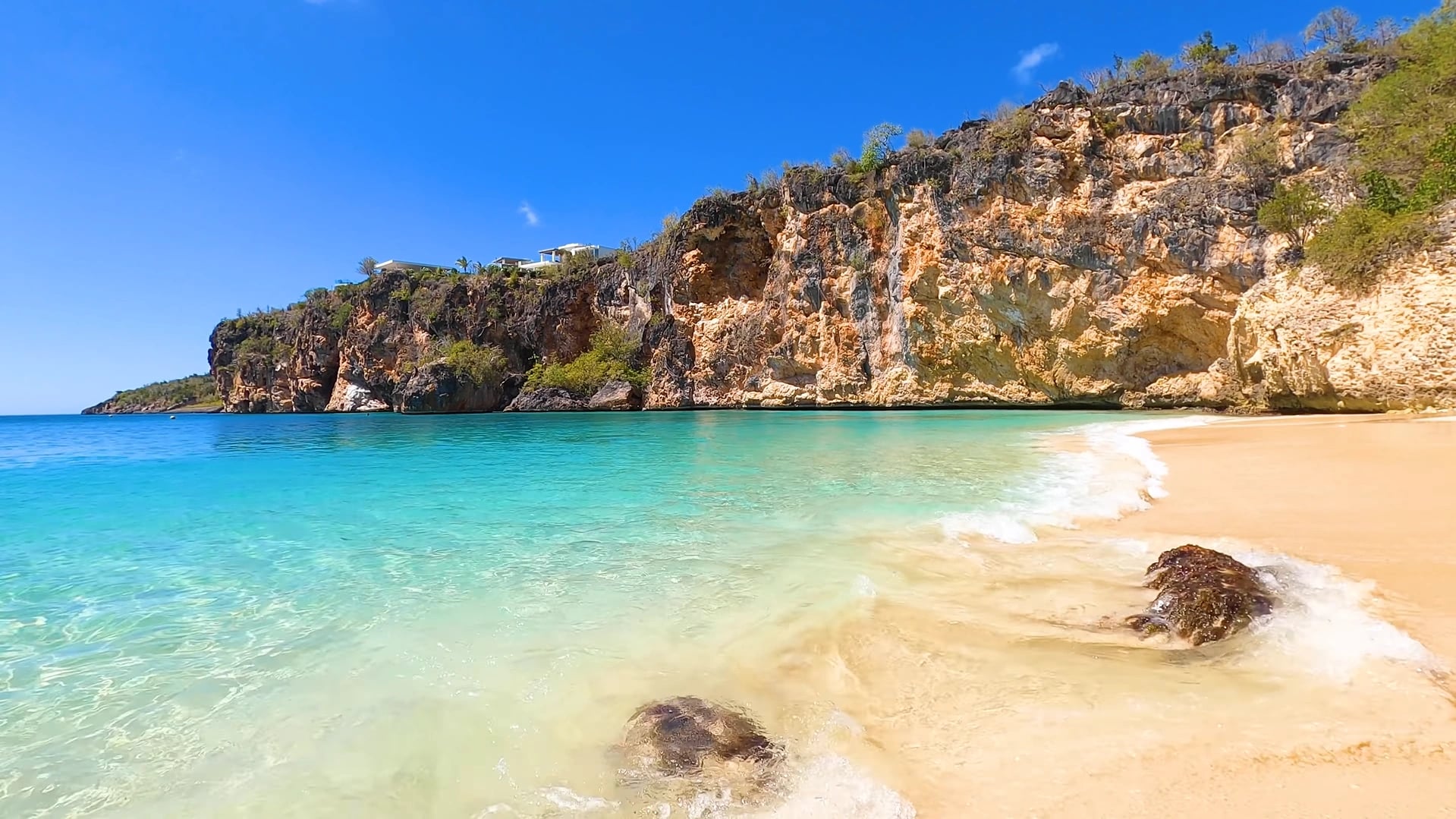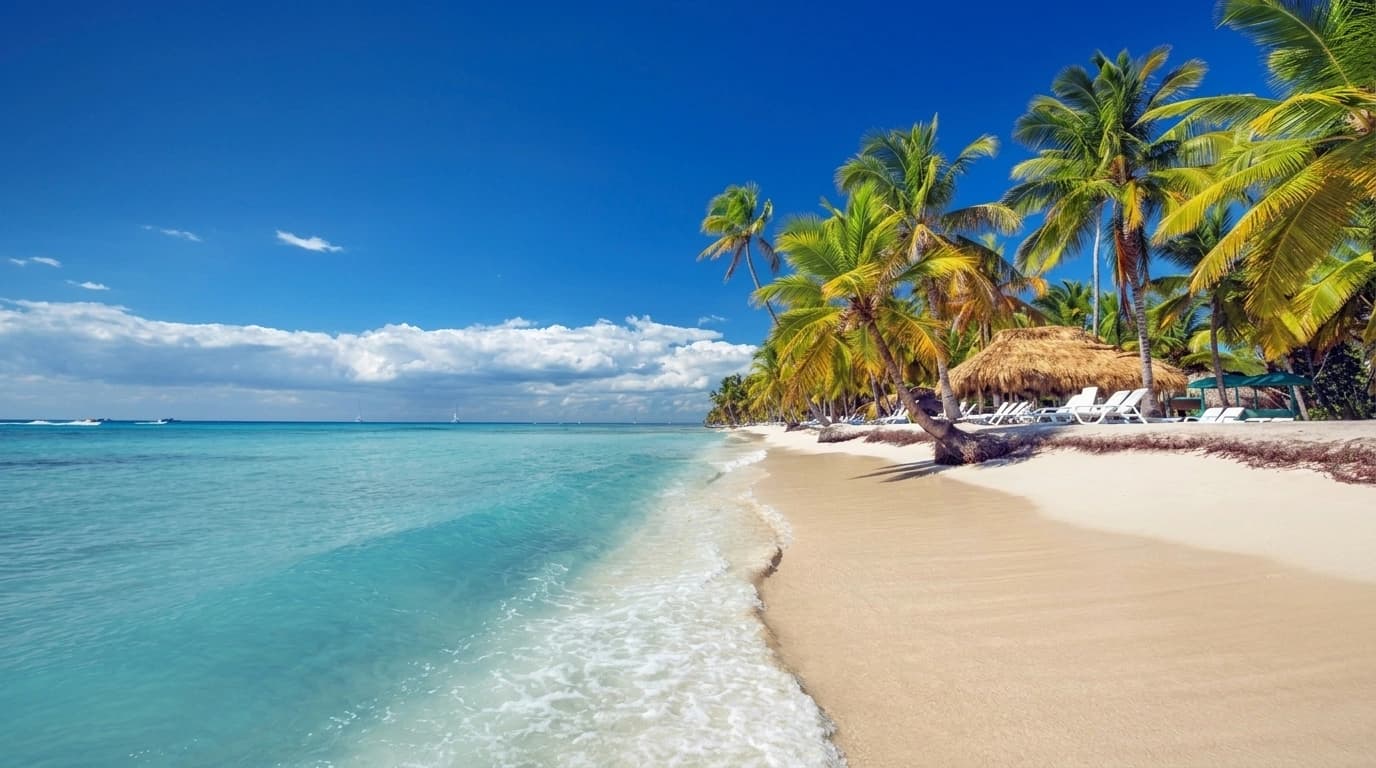
There is a version of the Dominican Republic that most people know. It involves an all-inclusive resort on the east coast, a wristband, and a buffet that runs from seven in the morning until ten at night. Forty-five minutes from Punta Cana airport to a compound that could, in most meaningful respects, be anywhere. The beach is real. The sea is warm. The experience is almost entirely sealed from the country it sits inside.
This is not a criticism of that version. It delivers exactly what it promises, to millions of people, every year. But it has almost nothing to do with the Dominican Republic.
The country it sits inside is the most geographically varied nation in the Caribbean, the highest peak in the entire region, the largest lake, rivers that run from cloud forest to desert within an hour's drive, a capital city with the oldest colonial architecture in the New World, and a northern coast that belongs, in character and landscape, to somewhere else entirely.
That somewhere else is where this begins.
What the north coast actually is.
The Amber Coast runs along the Dominican Republic's northwestern shore, named for the prehistoric amber pulled from the hills behind it for centuries, some of it containing insects and plant matter from forty million years ago. The coast itself faces the Atlantic rather than the Caribbean, which changes everything: the light is different, the sea has more weight to it, and the landscape behind the shore, green mountains, river valleys, tobacco farms, has a quality that the flat, resort-optimised east coast never will.
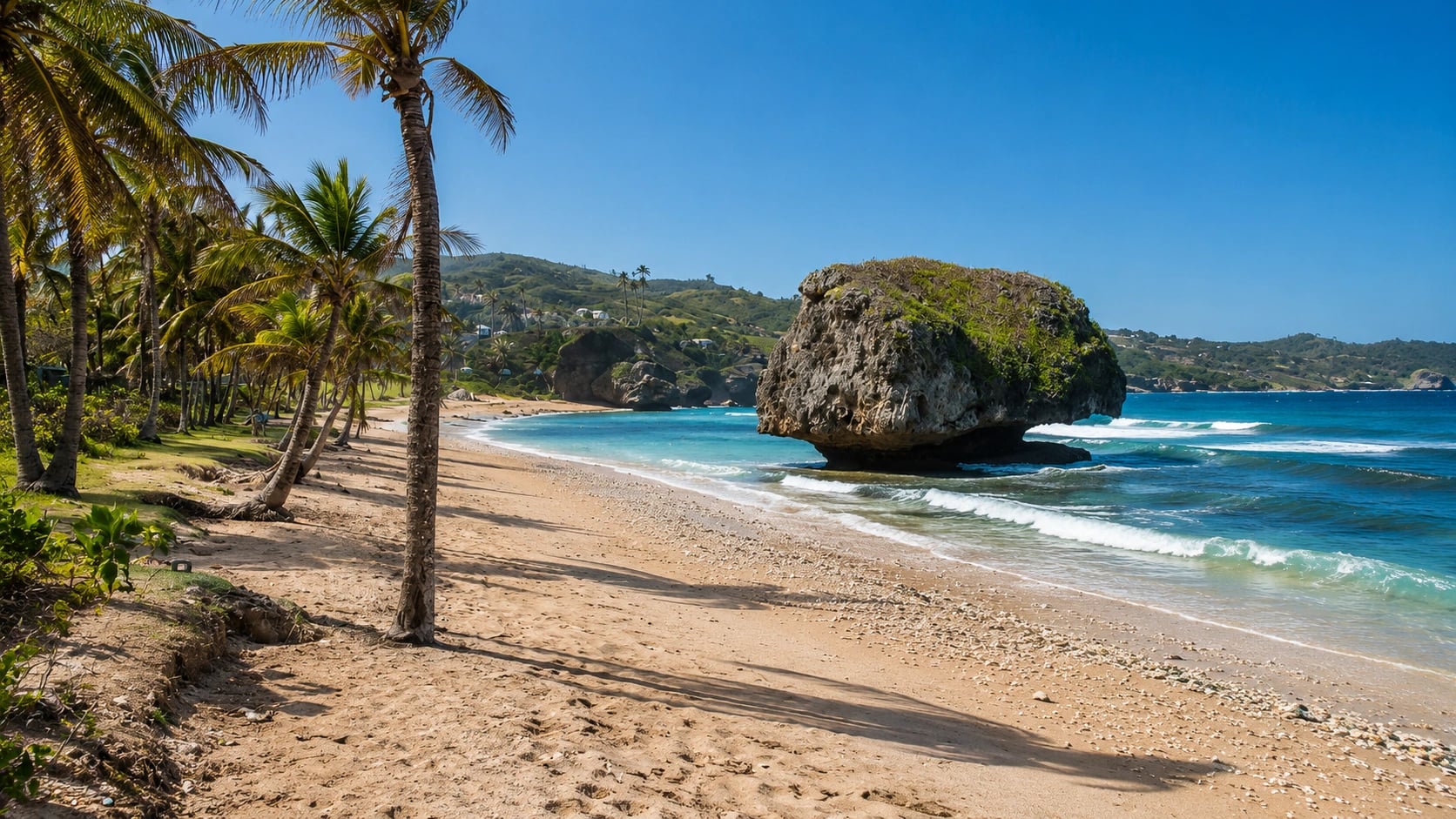
Las Terrenas is on the Samaná Peninsula to the east, a town that somehow absorbed a generation of European expatriates without losing its Dominican soul. French bakeries next to colmados. Italian restaurants that have been here for thirty years, run by people who came for a week and never left. Beaches that face north and catch the Atlantic swell, lined with coconut palms that lean at the angle they always have. It is one of the most genuinely plural places in the region, not designed for tourism, but arrived at by people who understood what they were looking at.
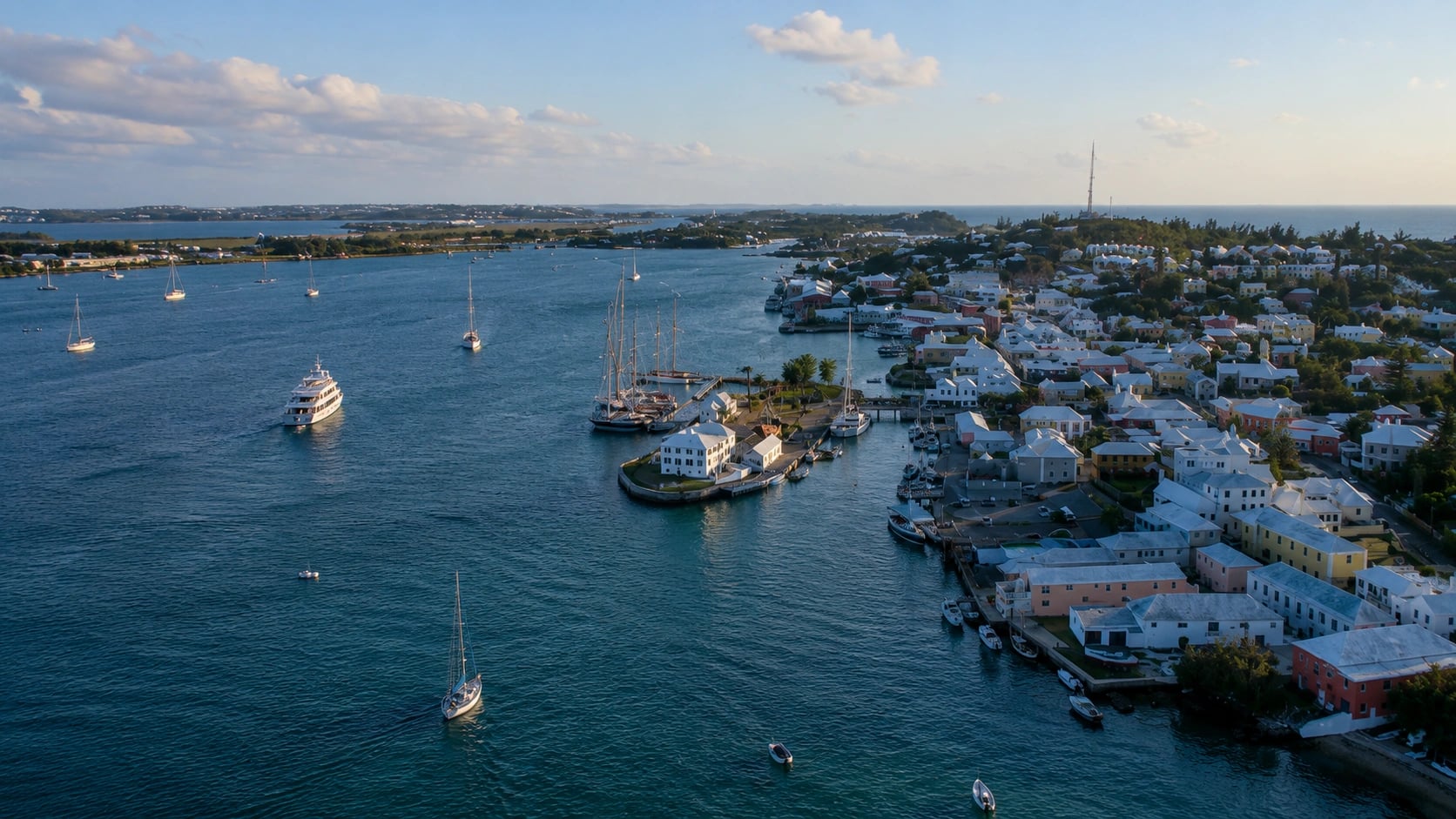
Puerto Plata anchors the west end of the Amber Coast. The Victorian gingerbread architecture of its historic centre, painted in the colours it has always been painted, maintained by people who live in it, is unlike anything else in the Caribbean. Cable cars to the top of Mount Isabel de Torres, where a replica of Christ the Redeemer looks out over the coast and the ocean beyond. A city that has never quite been discovered, and is therefore still itself.
What the land holds.
An hour south of the north coast, the country changes entirely. The Cibao Valley is the agricultural heart of the republic, one of the most fertile valleys in the Caribbean, producing tobacco that becomes some of the finest cigars in the world, cacao, coffee, and rice. The farms here are not tourist attractions. They are simply farms, working in the way they have worked for generations, and to move through them is to understand that this is a country with deep roots in its own soil.
Further south, the Cordillera Central rises to Pico Duarte, at three thousand and eighty-seven metres, the highest point not only in the Dominican Republic but in the entire Caribbean. The cloud forest on the upper slopes is a different world from the coast: cool, dense, loud with birds that exist nowhere else. A two-day trek reaches the summit. Most visitors to the country will never know it is there.
“The most geographically varied nation in the Caribbean. And almost nobody sees past the wristband.
What the estate gives you.
The property we work with here sits on the north coast, set within the landscape rather than imposed upon it, gardens that move through fruit trees and tropical planting toward a beachfront that faces the Atlantic rather than a pool deck. The architecture draws from the colonial vernacular of the island: deep verandas, high ceilings, materials that understand the climate rather than fighting it.
A team dedicated entirely to one group. The food is built from what the north coast produces, seafood from the Atlantic, fruit from the farms behind the hills, coffee grown within sight of where you drink it. There is no menu. There is a conversation, at the start of each day, about what you want, and then it appears.
The days arrange themselves. Mornings on the beach before the heat builds. A drive into the hills to a tobacco farm, where the curing barn smells of something that takes a moment to place. An afternoon entirely without agenda. Dinner on the veranda as the Atlantic darkens and the lights of the fishing boats appear one by one on the horizon.
What we look for when we plan a stay here.
The Dominican Republic rewards curiosity. It is not a destination that reveals itself from a sun lounger, or rather, it gives you the sun lounger willingly, but saves everything interesting for those who ask the right questions. That means the property needs to be positioned correctly: on the north coast rather than the east, close enough to the interior to make it accessible, and staffed by people who know the country rather than the hospitality script.
What we look for here: a base that understands the landscape it sits inside. Direct beach access to a coast that has not been developed into irrelevance. Interiors that feel Dominican rather than generic Caribbean. And the right connection to the country beyond the gates, the tobacco farms, the amber mines, the market towns that have no particular interest in being visited and are therefore worth visiting enormously.
Who the Dominican Republic is right for.
Not those who want the Caribbean as it has been packaged for export. That version is widely available and efficiently delivered, and this is not it.
This is for travellers who understand that the most interesting version of a place is almost never the most advertised one. For families who want a trip that gives children something to actually learn, a working farm, a cigar being rolled by hand, a cloud forest that has no gift shop at the entrance. For couples who want the warmth and water of the Caribbean with a country behind it rather than a compound. For those who have been to the Dominican Republic before, in the other version, and left with the feeling that something was being kept from them.
It was. This is what it was.
When to visit the Dominican Republic
The Caribbean's calendar applies, but the north coast operates on its own version of it. December through April is the high season, dry, warm, low humidity, near-zero rain. Late January through March is the most reliably consistent stretch, with daytime temperatures in the high twenties and the trade winds at their steadiest. The Christmas and New Year fortnight is the peak, with the better private estates on the north coast typically booked four to six months ahead. May and June form a quiet shoulder, the rainy season is technically beginning but most days remain bright, the rates soften considerably, and the country is at its greenest. July and August are warm and somewhat wetter, with the Dominican domestic-tourism peak as Santo Domingo and other interior cities visit the coast. September and October are the heart of the Atlantic hurricane season; the Dominican Republic's exposure varies year to year, and while serious storm impacts are far less frequent on the north coast than the popular imagination suggests, the period is best treated cautiously and arranged with flexible terms. The northern Atlantic coast also catches its own swell weather from October through April, the surf coast at Cabarete is at its best precisely when the wind is up, which on the broader coast can mean more dramatic sea conditions than the calmer southern Caribbean waters.
How to get to the Dominican Republic
The country has several international airports, and the right choice depends entirely on where the trip is going. For the north coast, the part of the country this article is about, the principal gateway is Gregorio Luperón International (POP) at Puerto Plata, with direct flights from across North America, a number of European hubs, and seasonal Caribbean connections; from POP, the coast is fifteen minutes by road and the Samaná Peninsula about three hours east. Samaná El Catey (AZS) is the smaller, quieter alternative that serves the peninsula directly, fewer routes, but the most efficient arrival when the destination is Las Terrenas. Santo Domingo's Las Américas (SDQ) is the main hub for the country's interior and capital, with the broadest long-haul network; from SDQ, the north coast is three to four hours by road. Punta Cana (PUJ), the country's busiest airport by volume, serves the east-coast resort corridor and is not the right entry for a north-coast trip despite being more familiar to many travellers. Private jets route most easily into Puerto Plata, Samaná, and Santo Domingo's secondary field at La Isabela (JBQ). We coordinate the airport arrival, the transfer to the property, and any inter-region routing across the country ourselves.
Where to stay in the Dominican Republic
The north coast offers two distinct bases, and the right choice depends on the temperament of the trip. The Amber Coast proper, the stretch around Puerto Plata, Sosua, and Cabarete, is the historical heart of the region, with the Victorian architecture of Puerto Plata's old centre, the cable car up Mount Isabel de Torres, and the closest access to the Cibao Valley's tobacco and cacao country behind the coast. The Samaná Peninsula to the east is the wilder and slower half, Las Terrenas with its Franco-Italian-Dominican expatriate culture, the protected coves and palm-edged beaches that face north into the Atlantic, the whale-watching grounds in Samaná Bay where humpbacks gather from mid-January through mid-March each year. The two halves of the north coast are about three hours apart by road, and the most considered trip uses both, a few days in each, with the country between them treated as part of the journey rather than against it. The interior, the Cibao Valley farms, the Cordillera Central, the cloud forest at Constanza or the trek country toward Pico Duarte, is the deeper extension, usually arranged as a day or two from a coastal base rather than as a separate stay.
We do not publish a property list. The estate this piece describes is one of several arrangements possible on the north coast; each is matched once the brief is clear. What we will say is that the right house in the Dominican Republic is the one that faces the Atlantic rather than the resort coast, and the one where the country behind it is part of the stay rather than something kept beyond the gates.