



A CalenVoy guide
Best Time to
Visit SwedenMonth by month
What each month is really like in Stockholm and in Lapland, the dates worth building a trip around, and the weeks we would steer you away from.
In June, Abisko has twenty-four hours of daylight. In December it averages about twelve minutes. Choosing a month is really choosing which Sweden.

Updated · 13 min read
The short answer
Early June, or early
September, for seven
nights or more
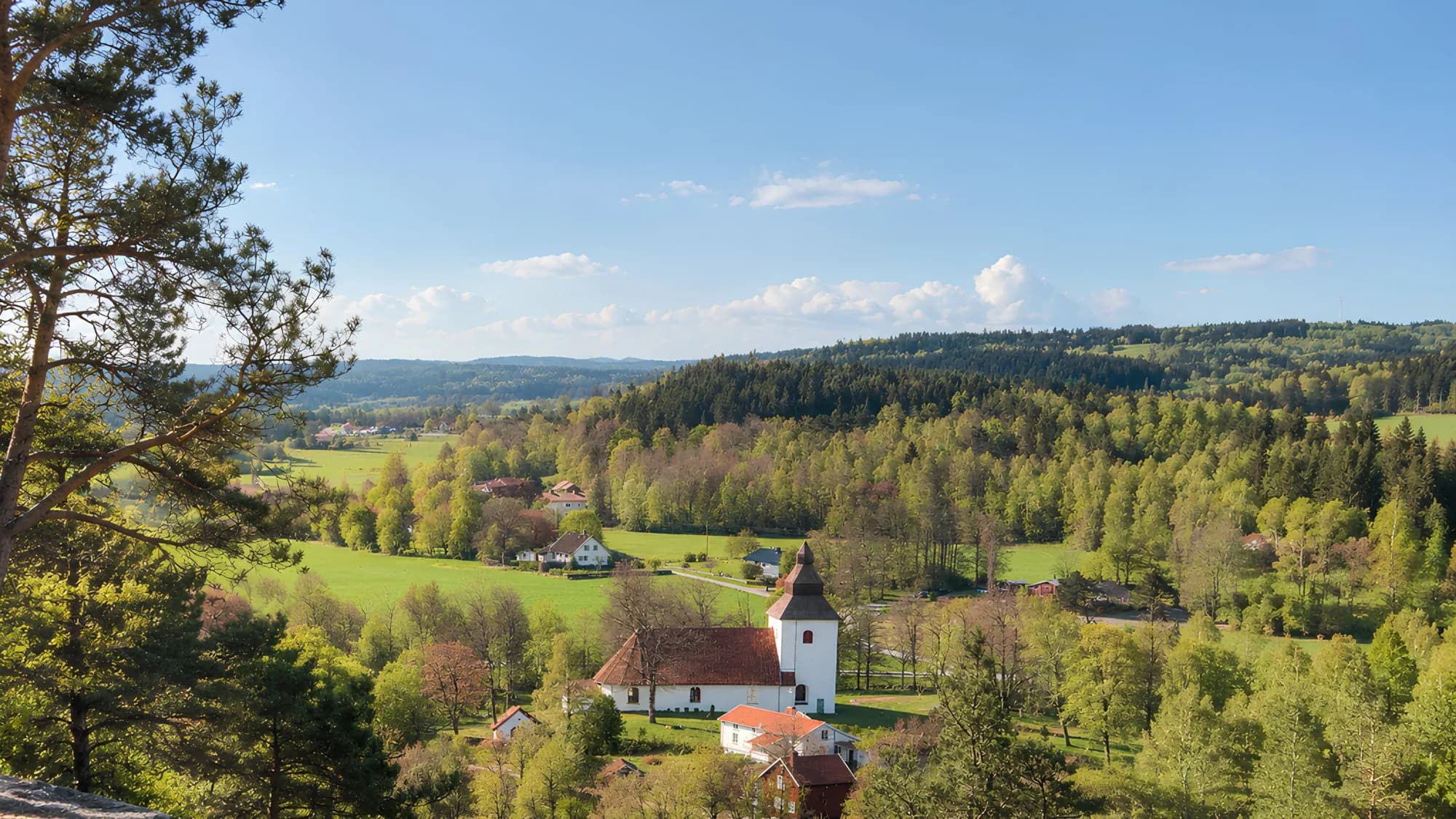
For most first visits, go in the first half of June. Stockholm averages 20.8°C by day, there are about eighteen and a half hours between sunrise and sunset, and the Swedish July holiday has not begun. The honest runner-up is the first half of September: fewer families, 16.6°C in Stockholm, colour in the mountains and dark nights returning in the north. Neither is right for snow, the cranes or the northern lights, which have seasons of their own. Give a first trip seven nights, or nine to ten if it includes Swedish Lapland.
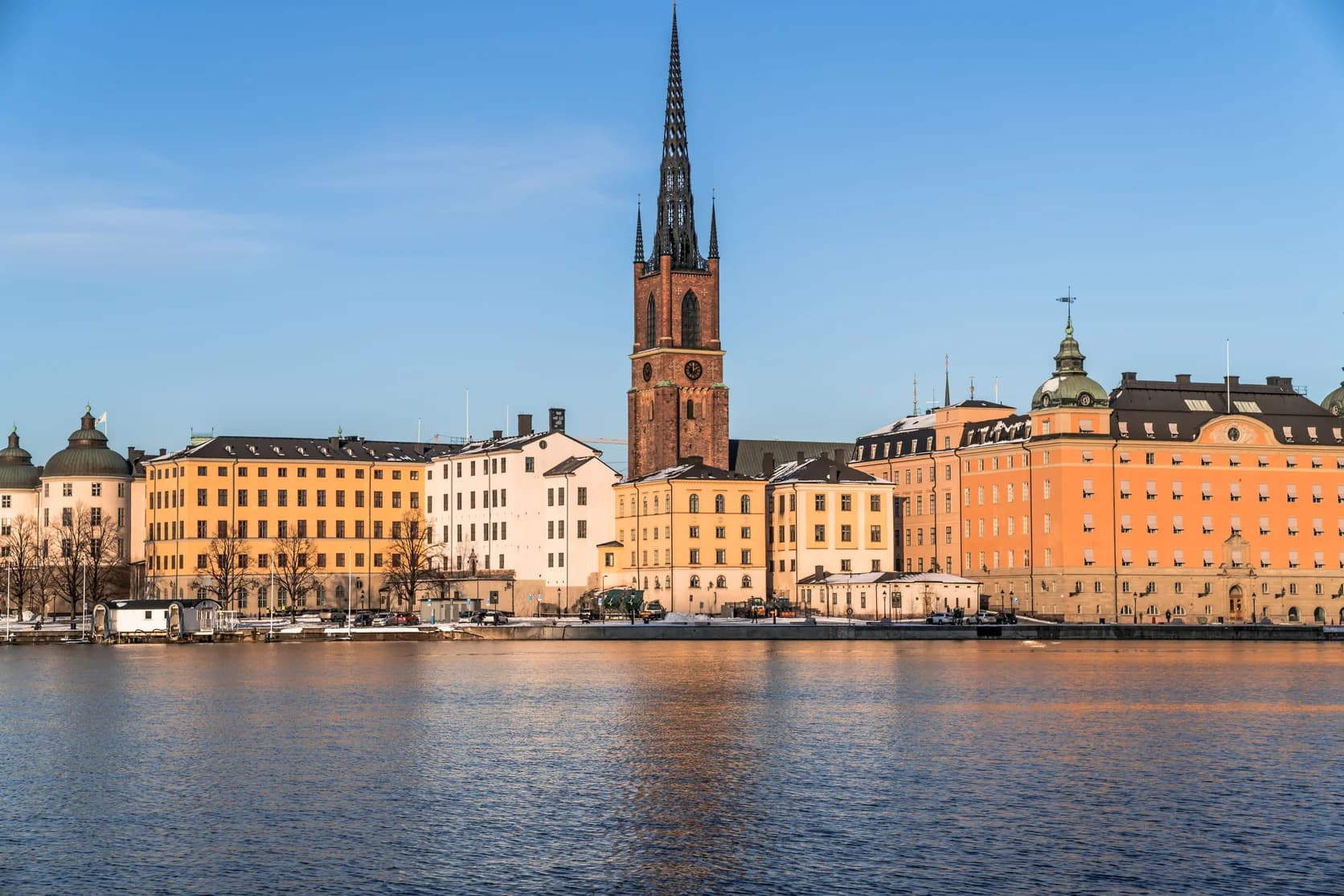
Stockholm and Abisko share a country, not a season. Spring reaches Stockholm around 3 March and Abisko around 23 April, seven weeks later.
Two Swedens
On SMHI’s 1991–2020 normals, a July day averages 23.6°C in Stockholm and 16.9°C in Abisko. In January it is 1.0°C against −5.5°C.
Most good trips choose one Sweden as the base and let the other be a contrast, not a second holiday.
Travel north in spring and you overtake the season: each stop is further back in the year than the last.
Why early June works for most people
It is the one window where almost everything lines up. The days are about as long as they get in the south, the city is outdoors, gardens and island restaurants are open, and demand is still rising rather than peaking. Stockholm’s schools finish on 11 June 2027, and most Swedes take their long holiday in July, so the first fortnight of June has the season without the crowd.
The trade-offs are real, and small. The Baltic is still cold, the weather is changeable, and in the mountains the hiking season is only starting as the snow melts. Midsummer falls at the end of the month, on 19 June 2026 and 25 June 2027: a wonderful day to be in Sweden, and one to plan around, because many shops and offices close and the roads out of the cities are full the evening before.
Why September is the honest runner-up
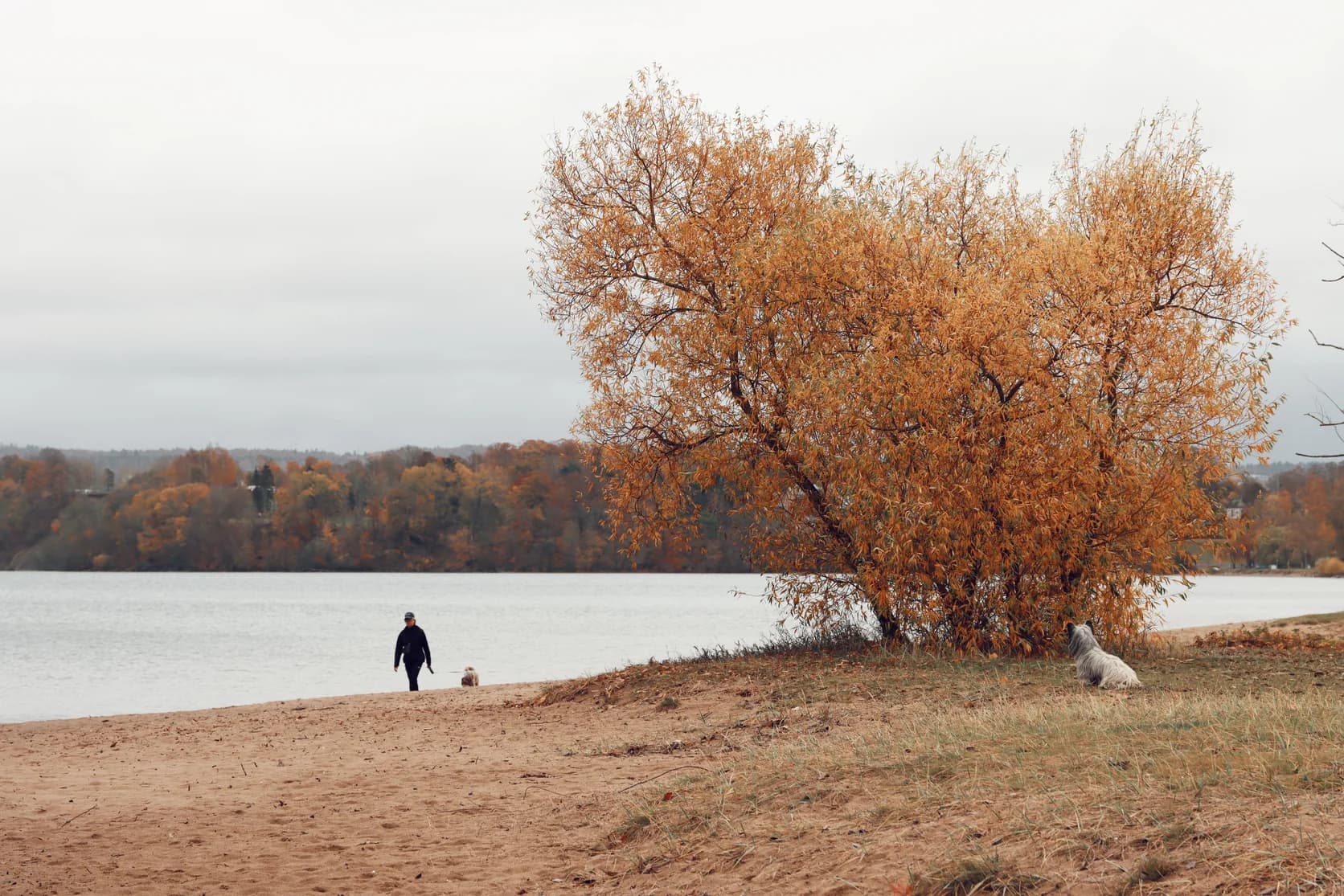
Early September keeps much of the summer and loses most of the people. Stockholm still averages 16.6°C by day, the families have gone back to school, and the ferries and island services are thinning but running. In the north, the mountain birch turns in early to mid-September, and by the middle of the month Abisko has real darkness again, which means the first chance of the northern lights.
It is also a month with its own reasons to go. The autumn raptor migration at Falsterbo is at its broadest in September, and the west coast’s lobster season opens on the first Monday after 20 September: 21 September 2026 and 27 September 2027. It is the season our Other Sweden journey is built around.
When the south and the north disagree
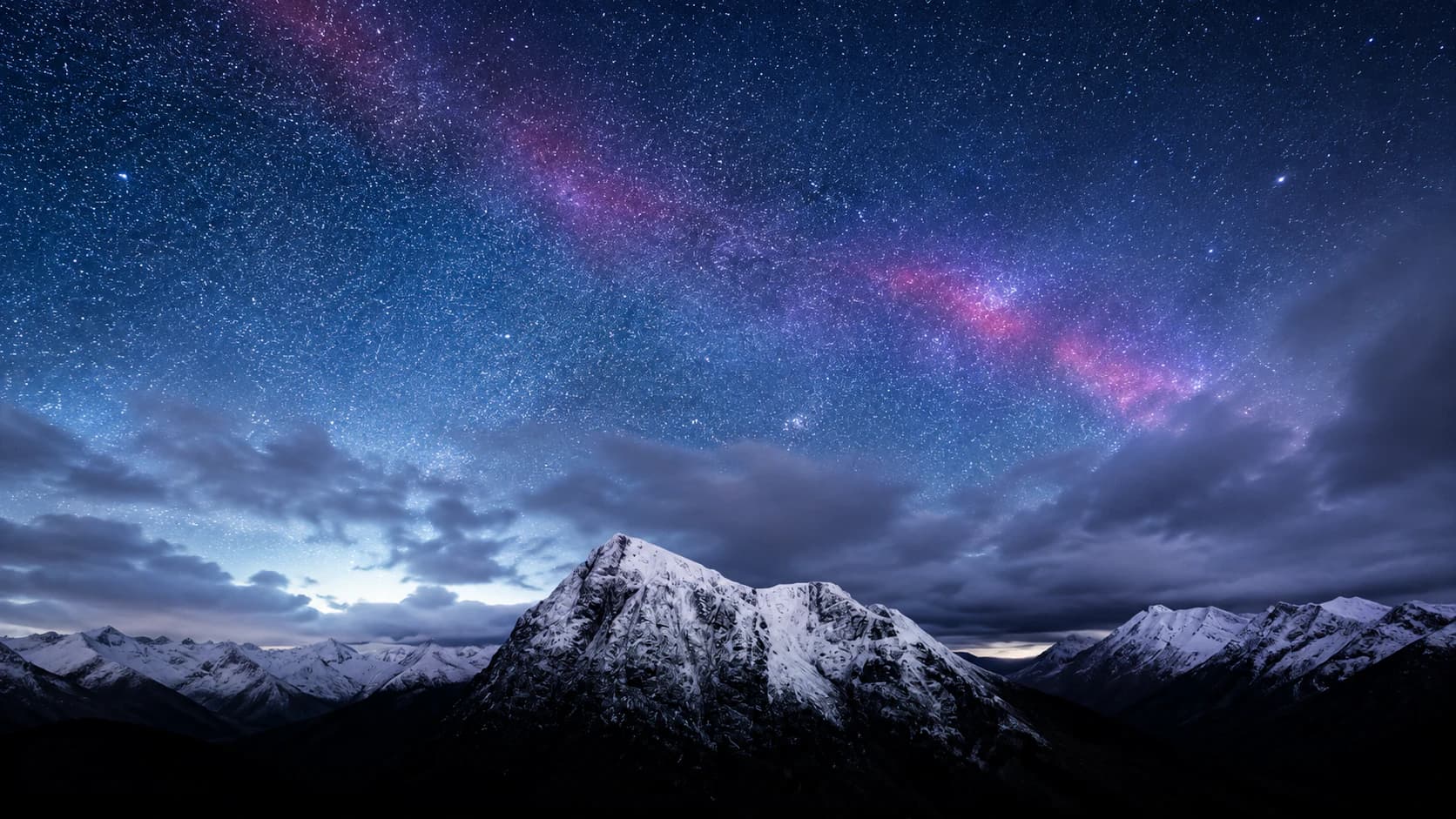
Almost every mistake in planning a Swedish trip comes from treating it as one climate. In December, Stockholm has about six hours between sunrise and sunset; Abisko has polar night, with no sunrise at all from 6 December 2026 to 5 January 2027. In June the position reverses: Stockholm has bright nights that never quite go dark, and Abisko has the midnight sun from about 25 May to 18 July.
In December, Stockholm has six hours of daylight. Abisko, for most of the month, has none.
Snow is the clearest example. Swedish Lapland has continuous snow from about November to April. Stockholm does not: a white Christmas there is possible, not dependable, and January can just as easily be slush. If snow is the point, go north. If museums, food and a quiet city are the point, Stockholm in winter is a good trip on its own terms.
The dates worth building a trip around
Some of Sweden’s best moments are fixed to a few weeks, and a trip built around one of them is better than a trip that happens to overlap it. In late March and early April, the cranes gather at Hornborgasjön; the official record is 27,300 birds on 3 April 2019. From early August into September come the crayfish parties, and in late September the lobster premiere.
Autumn and winter have theirs too. On All Saints’ Day, 31 October 2026 and 6 November 2027, families light candles on the graves and the cemeteries glow after dark; it is the evening of our All Saints candlelight. Lucia is always 13 December. The Jokkmokk winter market runs from 4 to 6 February 2027, its 422nd year. ICEHOTEL 37 opens on 11 December 2026.
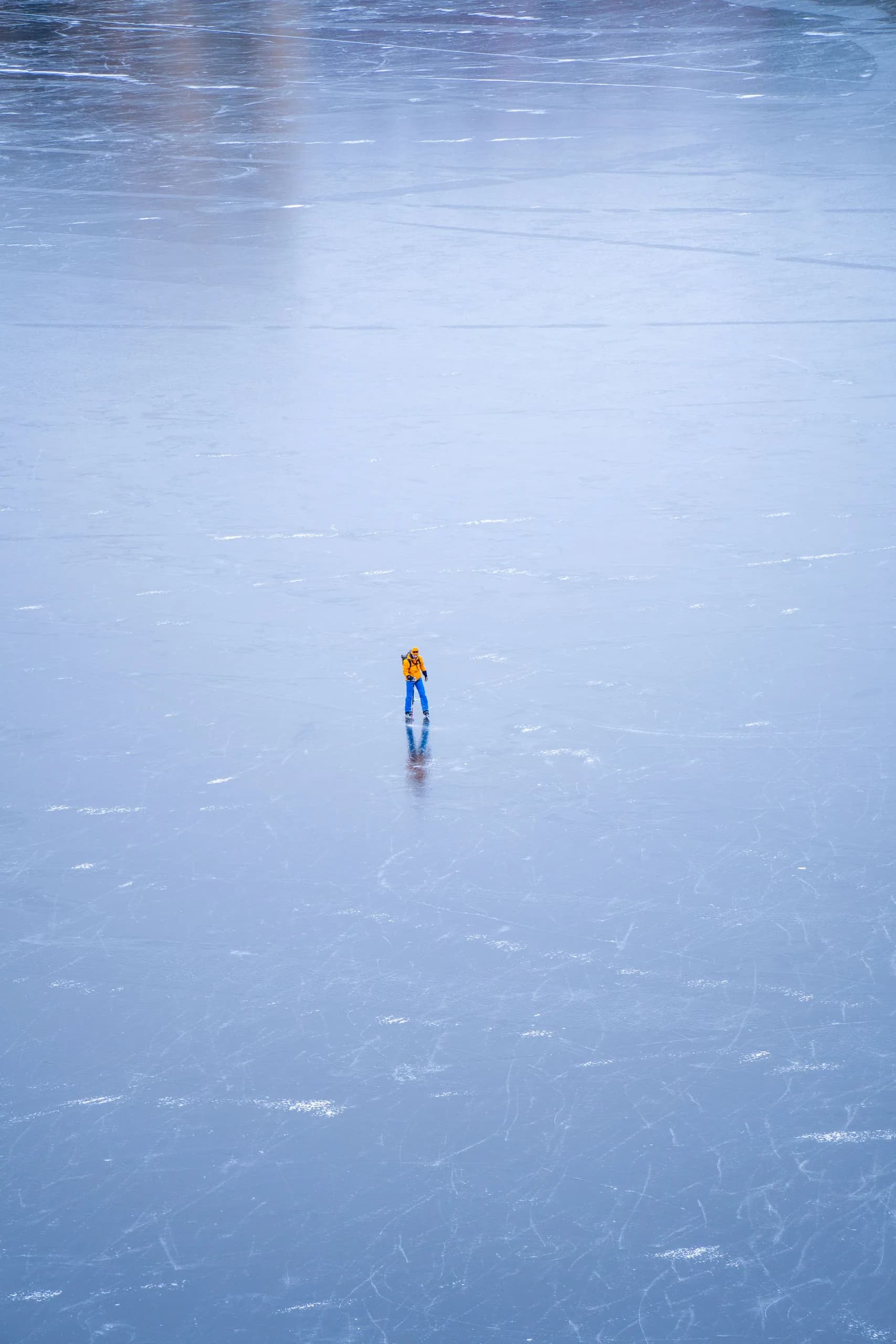
Natural ice is the hardest to plan. Sweden’s skating season runs roughly from mid-November to late March, but near Stockholm the dependable weeks more often begin in late January, and no one can promise them in advance. Go only with a guide who knows the ice that week: Nordic skating is arranged that way for a reason.
Crowds, closures and school holidays
Sweden does not shut in July, whatever you have read. Many Swedes take a long holiday that month and some small, owner-run shops and restaurants close for it, mostly away from the centre of Stockholm. Museums, hotels and transport keep running. The coasts, the islands and Gotland are at their busiest. If a particular restaurant matters, check its own booking calendar; there is no reliable list.
Winter crowds come from school breaks. Swedish sportlov is staggered by municipality through February and early March, which fills the ski areas and the far north; Stockholm’s 2027 week is 1 to 5 March. British February half-term and the Christmas and New Year weeks add to it. If you want Lapland quietly, aim for the weeks either side.
Getting between the two
Stockholm to Kiruna is about 90 minutes by air. By train, SJ’s night service reaches Abisko in about seventeen hours, with a change at Boden in the timetable we checked. Stockholm to Visby is a three-hour ferry from Nynäshamn, which is an hour from the city; allow four and a half to five and a half hours door to door. Stockholm to Gothenburg is about three and a half hours by fast train while the line works continue into 2027.
Those distances are why we rarely put Stockholm and Lapland into a trip of under nine nights. The north needs at least three nights of its own, and the days you spend travelling are days you are not there.
Month by month
Stockholm, then Abisko. Average daylight and normal daytime high for each month.
- JanuaryFor the northStockholm 7 h · 1°C. Abisko 3 h · −5.5°C. A quiet city without reliable snow; deep snow and aurora in Lapland, where the sun returns on 6 January.
- FebruaryExcellentStockholm 9 h · 1°C. Abisko 7½ h · −6°C. Lapland at its best balance of snow, light and dark nights. Jokkmokk market, 4–6 February 2027.
- MarchVersatileStockholm 12 h · 5°C. Abisko 12 h · −2.5°C. Sun on snow in the north, the cranes arriving in the south, and changeable city weather.
- AprilThe cranesStockholm 14½ h · 11°C. Abisko 16 h · 2.5°C. Hornborgasjön peaks late March to early April. The first real southern spring; strong skiing early in the month.
- MayQuietStockholm 17 h · 16.5°C. Abisko 21 h · 8°C. Blossom and long days in the south; snowmelt and closed facilities in the mountains. Midnight sun from about 25 May.
- JuneOur pickStockholm 18½ h · 21°C. Abisko 24 h · 13.5°C. The best all-round month, in the first half especially. Midsummer on 19 June 2026 and 25 June 2027.
- JulyPeakStockholm 17½ h · 23.5°C. Abisko 23 h · 17°C. The warmest month and the busiest on the coasts. Mosquitoes in Lapland; no darkness for the lights.
- AugustGoodStockholm 15½ h · 22°C. Abisko 17½ h · 15°C. Warm water, the archipelago and crayfish parties. Busy early, easing once Swedish schools return.
- SeptemberRunner-upStockholm 13 h · 16.5°C. Abisko 13 h · 10°C. Mild and quieter, mountain colour, Falsterbo raptors, the lobster premiere, and dark nights back in the north.
- OctoberMixedStockholm 10 h · 10°C. Abisko 9 h · 3.5°C. Woodland colour and good food in the south; the north between seasons, with facilities reducing.
- NovemberQuietStockholm 7½ h · 5.5°C. Abisko 4½ h · −1°C. All Saints and the start of Advent; wet and short-lit in the south, long aurora nights in the north.
- DecemberFestiveStockholm 6 h · 2.5°C. Abisko no sunrise from 6 December · −3°C. Lucia, Advent and the markets; polar night, snow and ICEHOTEL in Lapland.
Temperatures are SMHI 1991–2020 normals for Stockholm-Observatoriekullen and Abisko. Daylight is the monthly mean from sunrise to sunset, calculated from NOAA solar geometry. Figures are rounded.
Five places,
one for each season
Chosen to show the whole year between them: a city for any month, and four places that each have one season worth travelling for.
- Any month
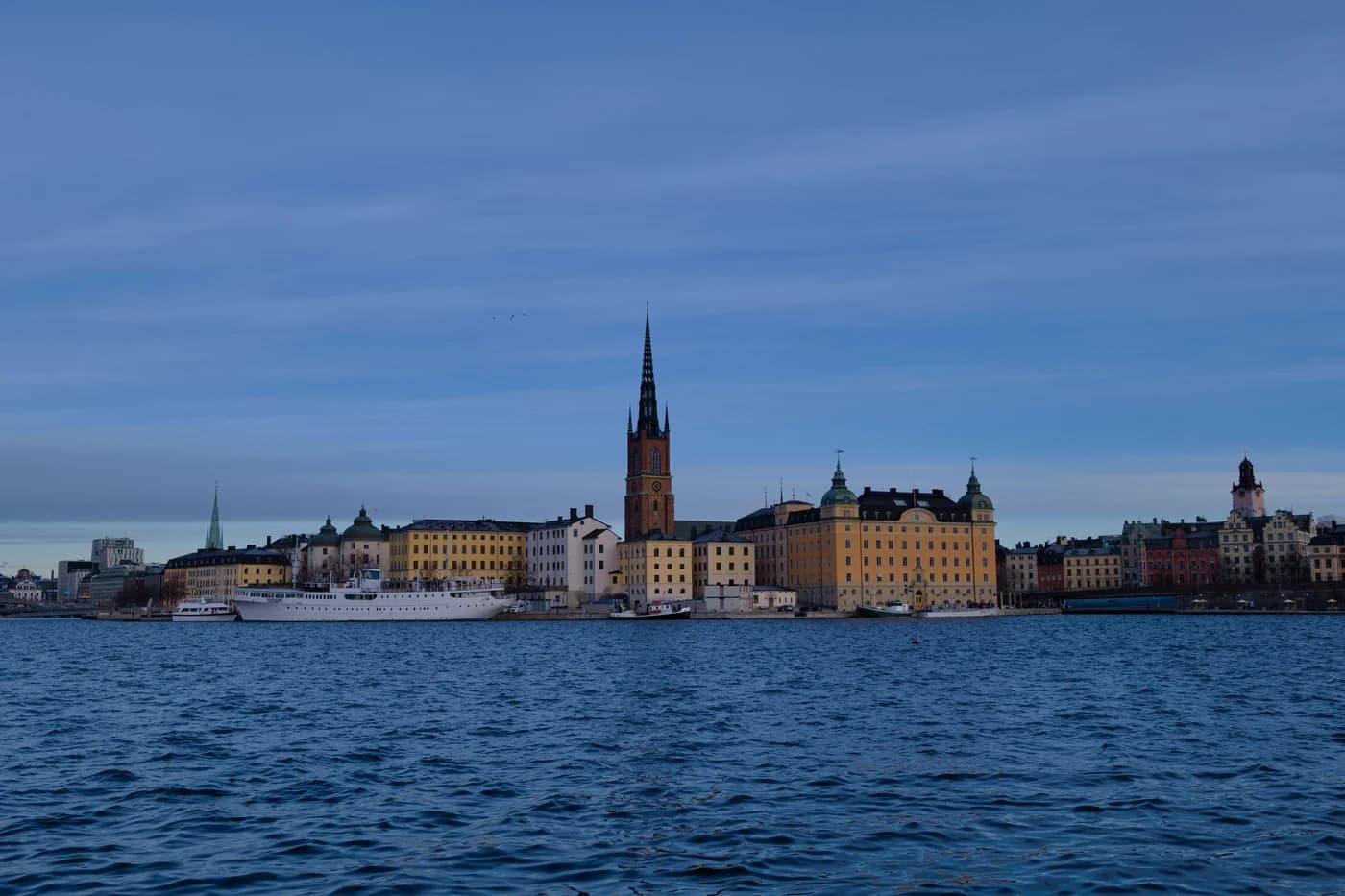
Stockholm
The baseline. Late May to mid-September is easiest; in winter come for museums and food, not snow.
The place - Spring
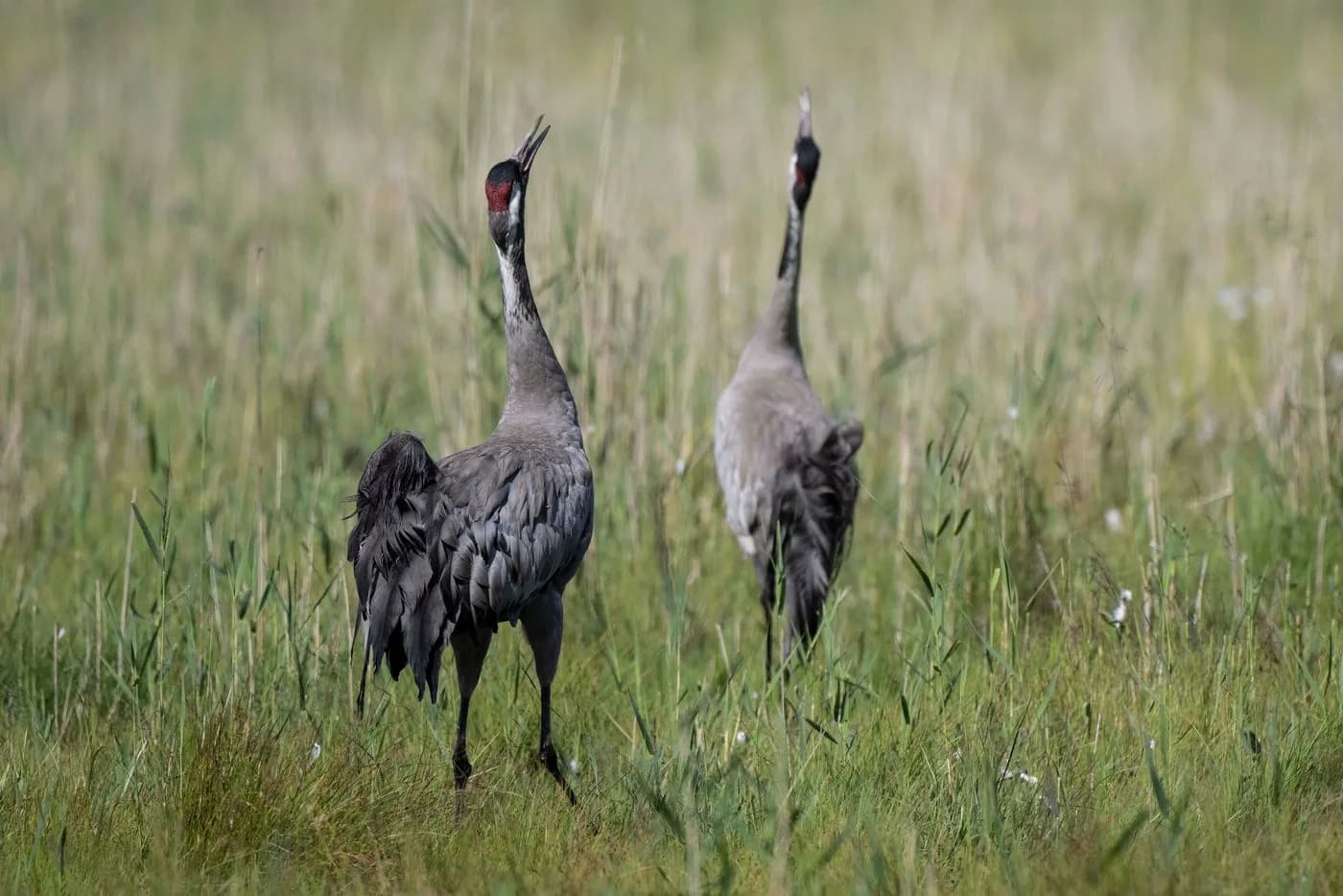
Hornborgasjön
Tens of thousands of cranes, usually peaking in the last week of March or the first of April.
The place - Early summer
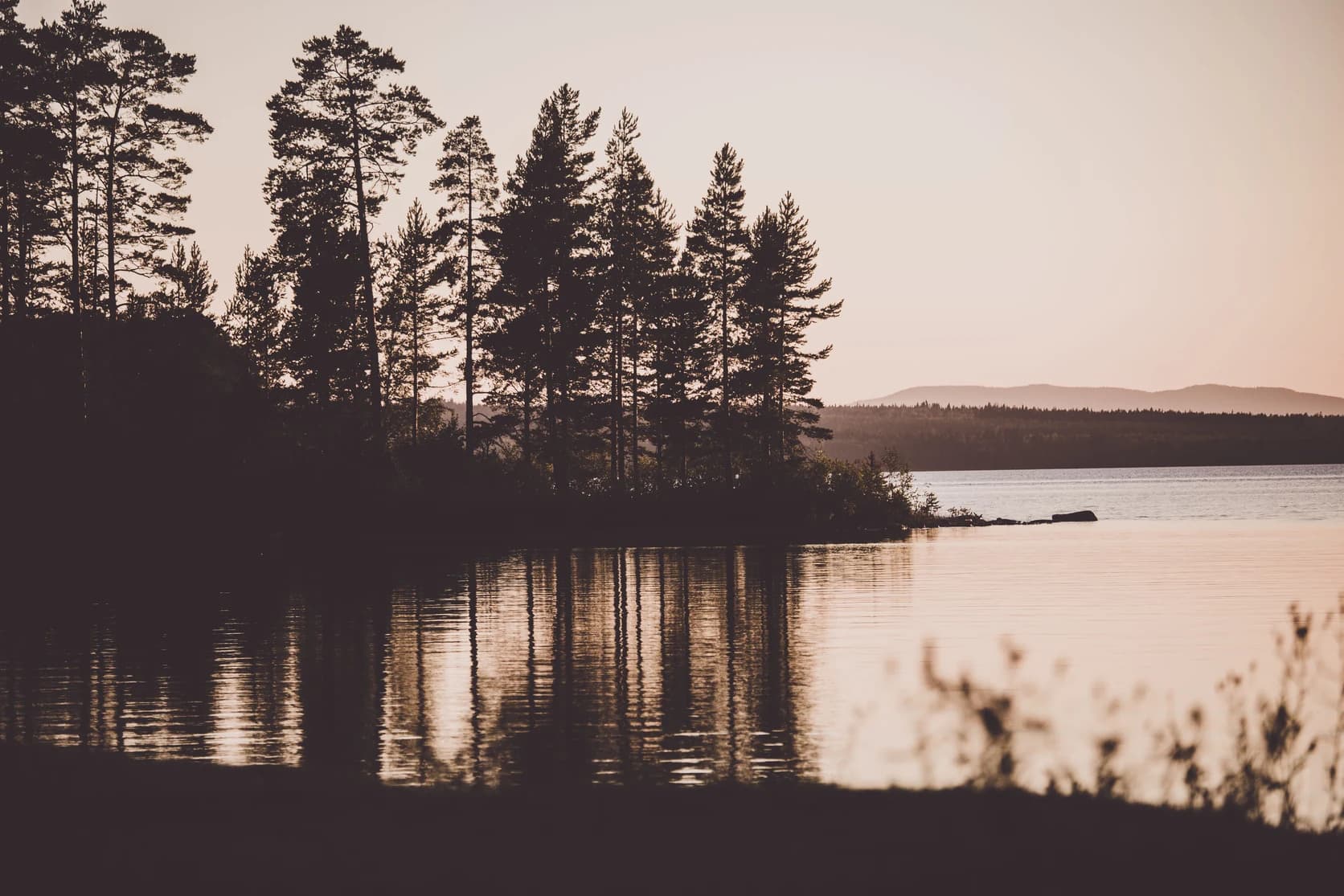
Siljan
Midsummer in Dalarna, and long light over the lake. Busy that weekend, and meant to be.
The place - Autumn
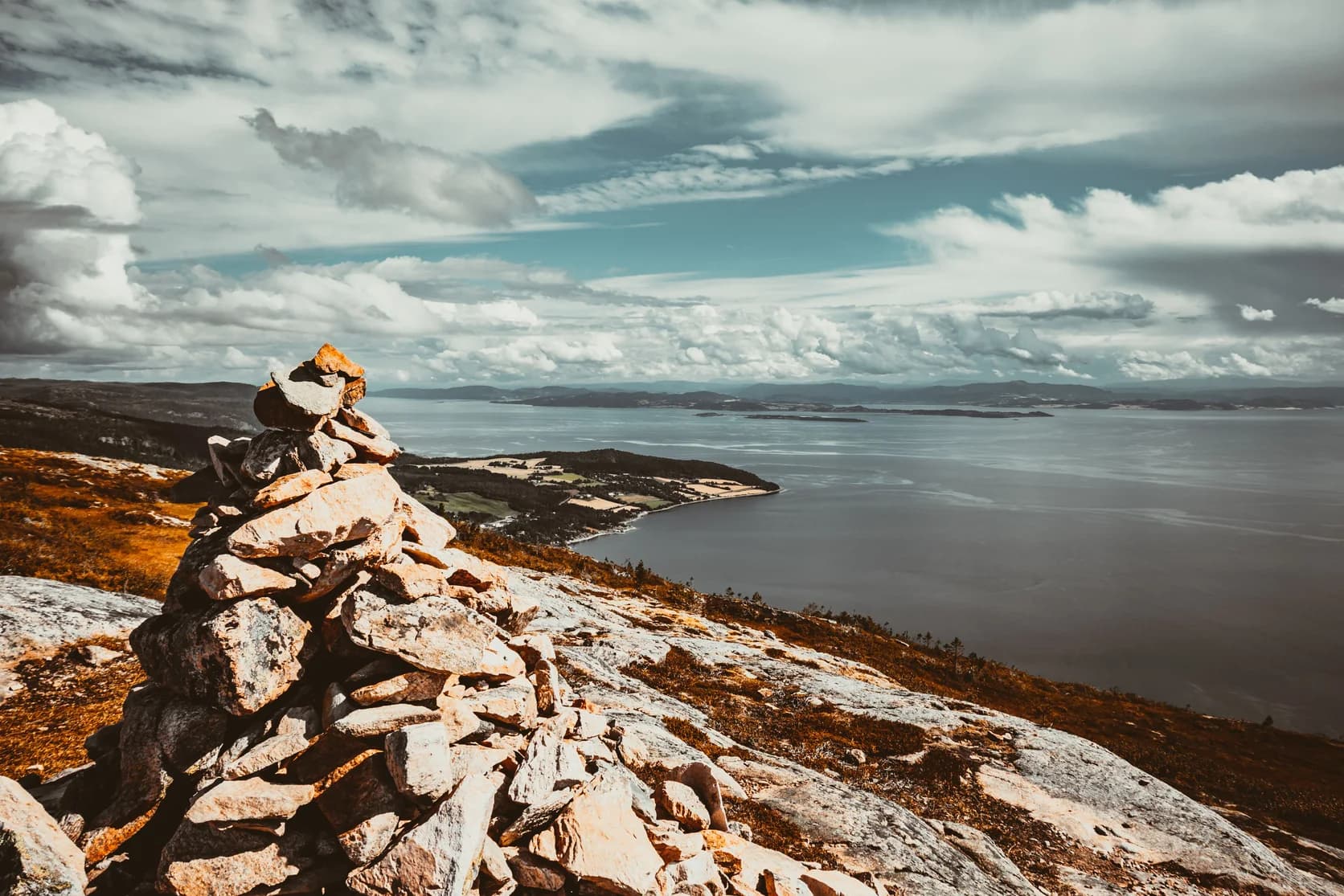
Höga Kusten
Forest colour and coastal ridgelines. Here autumn is a season in its own right, not a leftover.
The place - Winter
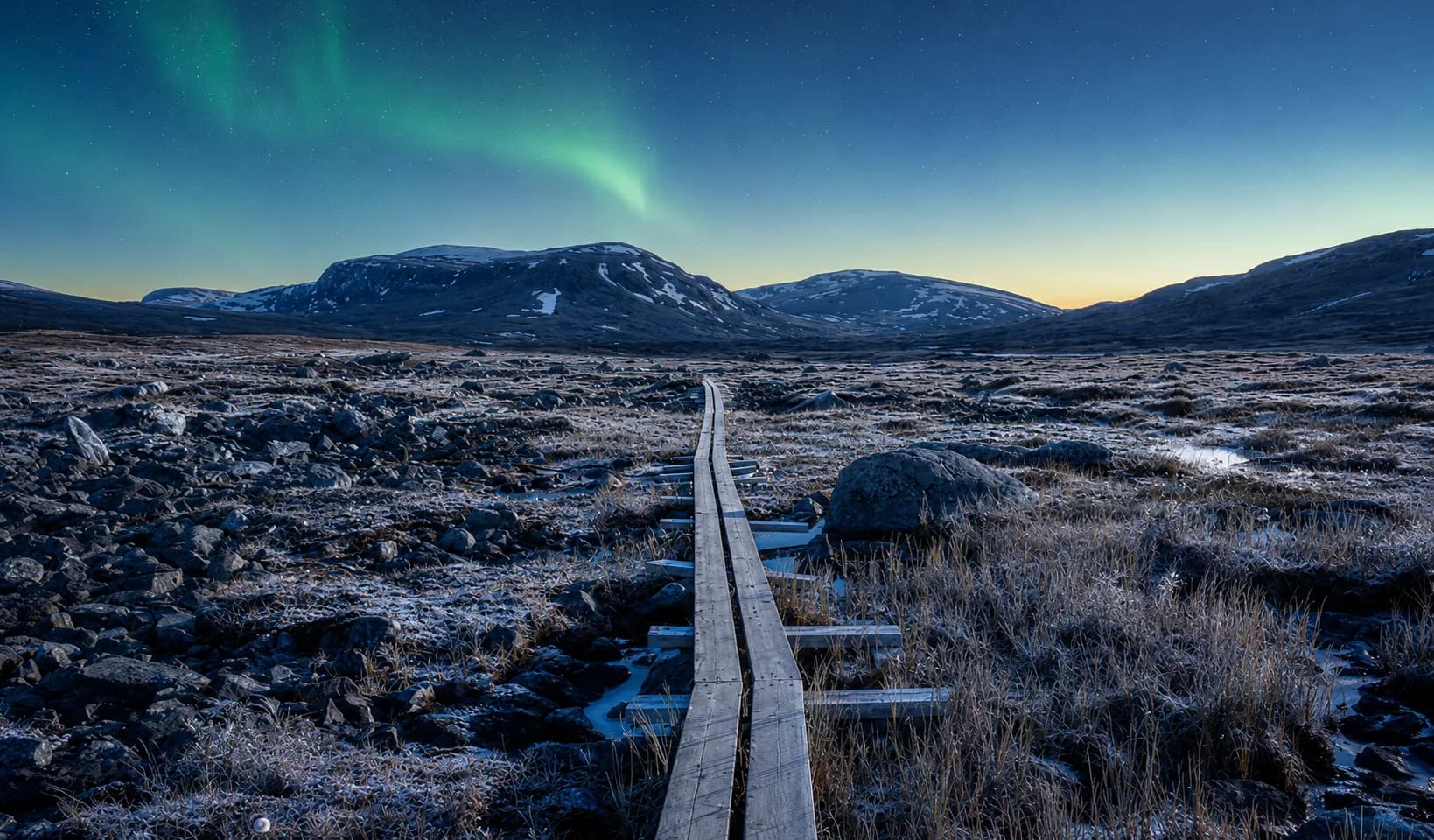
Abisko
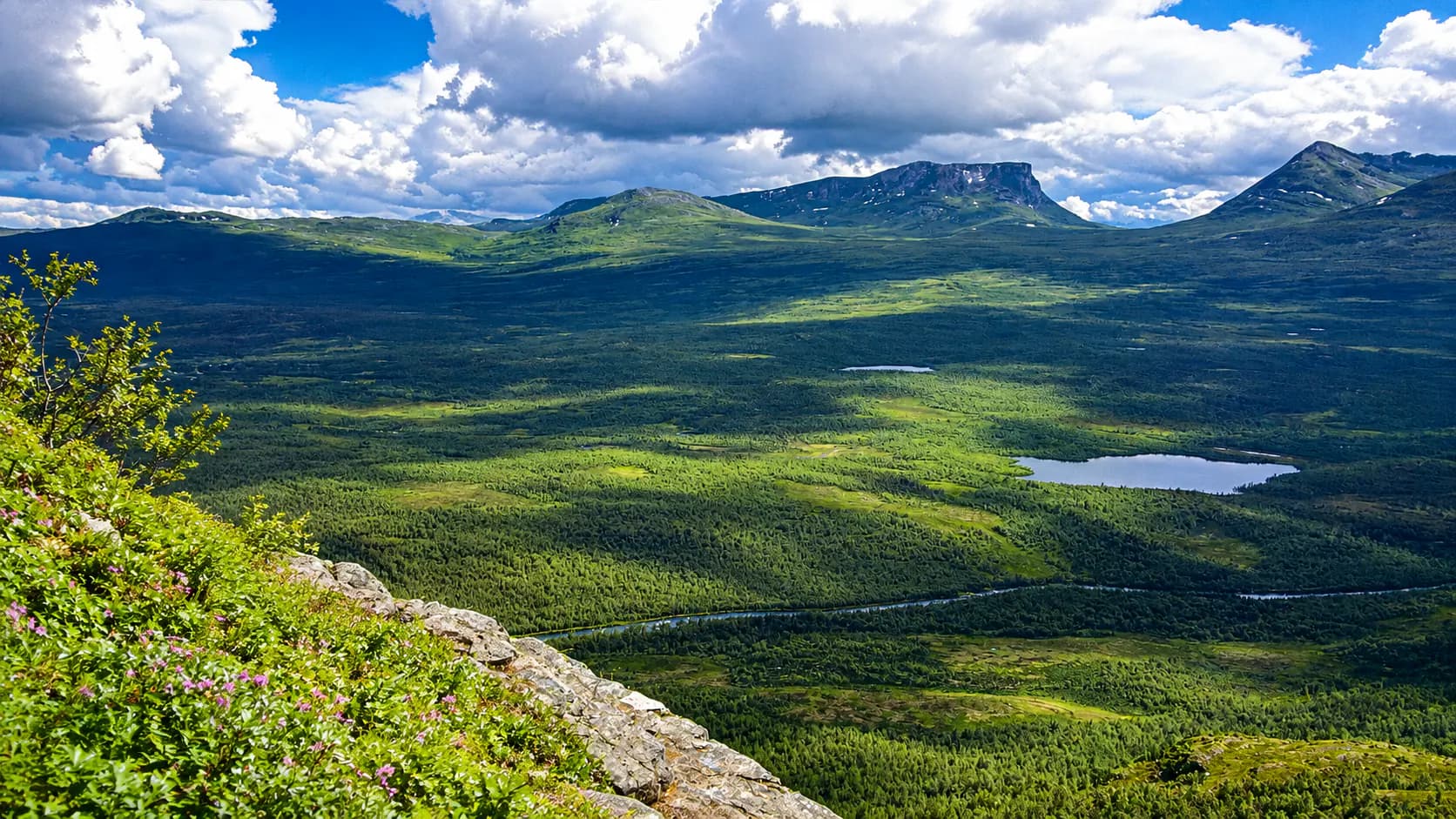
Snow and aurora from February to April, midnight sun from late May, mountain colour in early September.
The place
How long
to give it
Sevennights, for a first trip
Enough for Stockholm and one other place, properly. Add Lapland and it becomes nine or ten, because the north needs nights of its own.
- FiveStockholm and one close contrast: the archipelago, or Gotland. Too short to add the north.
- SevenThree or four nights in Stockholm, three or four in one region. Depth rather than collecting bases.
- Nine to tenStockholm with three or four nights in Lapland, or two regions in the south.
Worth knowing
Six things people get wrong about the seasons
- “Sweden is always cold.”Stockholm’s normal July high is 23.6°C. The north and the south are different climates, a long way apart.
- “Summer is the only good time.”Late winter is best for snow and the lights, spring for the cranes, and September for colour and quiet.
- “Winter is dark all day.”Only in the far north. Stockholm averages about six hours of daylight in December.
- “Everything shuts in July.”Some small businesses close. Museums, hotels and transport do not. Check the restaurants you care about.
- “You get the midnight sun in Stockholm.”You get bright nights. The sun itself sets; for the midnight sun you need to be north of the Arctic Circle.
- “A white Christmas in Stockholm is normal.”It is possible, not dependable. December can bring snow, rain or bare ground. Go north for certain snow.
What to bring
- A light waterproof shell, in every season
- A warm mid-layer, even in June
- Water-resistant walking shoes with grip
- A sleep mask for June and July
- Insect repellent for Lapland in high summer
- A head torch from autumn onwards
- For Lapland in winter, layers underneath: we provide the outer clothing and boots
Questions
What is the best time to visit Sweden?
For a first trip, the first half of June: long days, the city outdoors, and the Swedish July holiday not yet begun. Early September is the quieter runner-up. For snow and the northern lights, go to Lapland from February to March; for the cranes, late March to early April.
Is February a good time to visit Sweden?
For Lapland, it is one of the best months: established snow, about seven and a half hours of daylight in Abisko, and long dark nights for the aurora. For Stockholm it is a good winter city break, but cold, and snow is not guaranteed.
Will Stockholm have snow in winter?
Sometimes. Snow in Stockholm is intermittent in January and February and not dependable at Christmas, and slush is common. If snow matters to the trip, go north, where cover is continuous from about November to April.
Is March a good time to visit Sweden?
Yes, if the plan matches the geography. In Lapland it is sunny late winter, with snow, skiing and dark nights still. In the south the weather is changeable, and the cranes start gathering at Hornborgasjön from mid-March.
Does Sweden shut down in July?
No. July is the main Swedish holiday month and some small, owner-run businesses close, but museums, hotels, transport and many restaurants stay open. It is the busiest month on the coasts and islands.
How bad are the mosquitoes in summer?
In Lapland and wetland areas they are a real nuisance from late June into August; bring repellent and long sleeves. Breezy coasts are usually easier, and by early September Abisko is often free of them.
Does the sun set in Stockholm in summer?
Yes. Around midsummer it sets late and the nights stay bright, but it does set. The true midnight sun begins north of the Arctic Circle: in Abisko from about 25 May to 18 July.
When is Midsummer?
Midsummer Eve is 19 June 2026 and 25 June 2027, a Friday each year. Many shops and offices close that day, and the roads out of the cities are busy the evening before. Book restaurants and transport ahead.
Is four days in Stockholm enough?
Four nights is a well-paced stay in Stockholm with a day in the archipelago or at a palace. It is not enough to add Lapland: the train north alone takes about seventeen hours, so plan nine to ten nights for both.
Vårvinter: Swedish for the late winter of the north, when the snow stays and the sun returns. Literally, “spring‑winter”.
Sources for this guide
- SMHI — Climate normals 1991–2020
- NOAA — Solar calculation equations
- SMHI — Midnight sun and polar night
- SMHI — Spring
- Visit Sweden — The midnight sun
- Visit Sweden — Public holidays
- Sweden.se — Swedish Midsummer
- Sweden.se — Things to know about Sweden (July holidays)
- City of Stockholm — School year dates 2026/27
- Hornborgasjön — The crane dance
- Hornborgasjön — Crane statistics
- Falsterbo Bird Observatory — Migration counts
- Havs- och vattenmyndigheten — Lobster fishing rules
- Visit Sweden — Crayfish parties
- Church of Sweden — All Saints’ Day
- Sweden.se — Lucia
- Jokkmokk Winter Market
- ICEHOTEL — Opening of ICEHOTEL 37
- Visit Sweden — Ice skating
- Sweden’s National Parks — Visiting Abisko
- Kiruna Lapland — Flights to Kiruna
- SJ — Night train
- Destination Gotland — Travel to Gotland
- SJ — Western Main Line track work
Plan a trip for the right month.
Tell us the month you have, or the one you want, and we will tell you honestly what Sweden is doing then, and build the trip around it.