



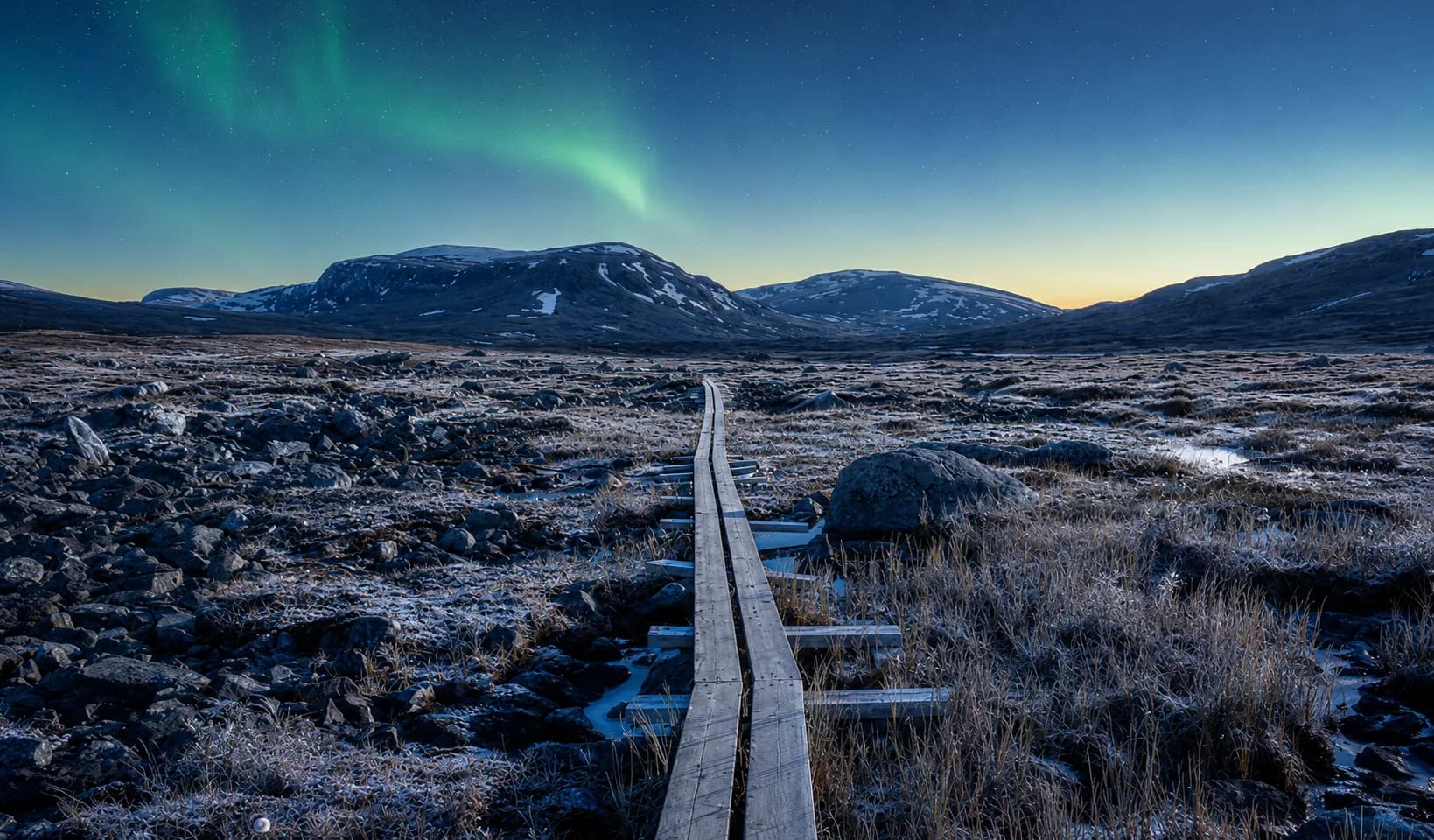
A CalenVoy guide
Northern Lights
in SwedenThe best time, and the best place
When to go, where to stand, what the forecasts mean, and the one number that matters more than any of them: how many nights you give it.
The lights are very often there. The sky over them very often is not. That one fact shapes everything in this guide.
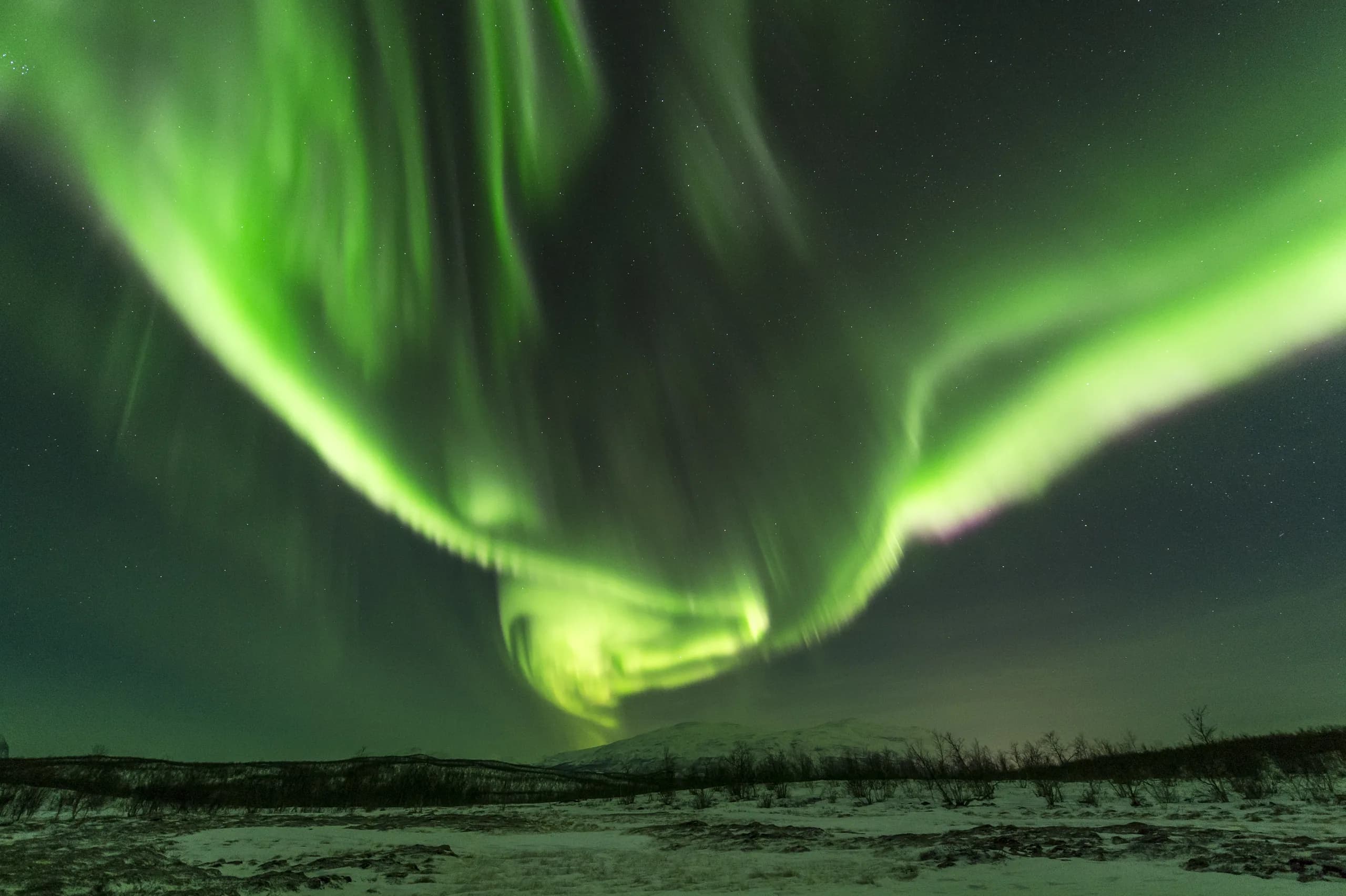

Updated · 12 min read
The short answer
September to March,
in Abisko, for three
nights or more
The northern lights season in Swedish Lapland runs from early September to late March, when the nights are dark enough to see them. Base yourself in Abisko, the driest place in Sweden, in a national park with very little artificial light, and stay at least three nights. If the lights are the reason for the trip, give it four or five. For most people the best months are February and March, or late September and October: long nights, without the deepest cold of midwinter.
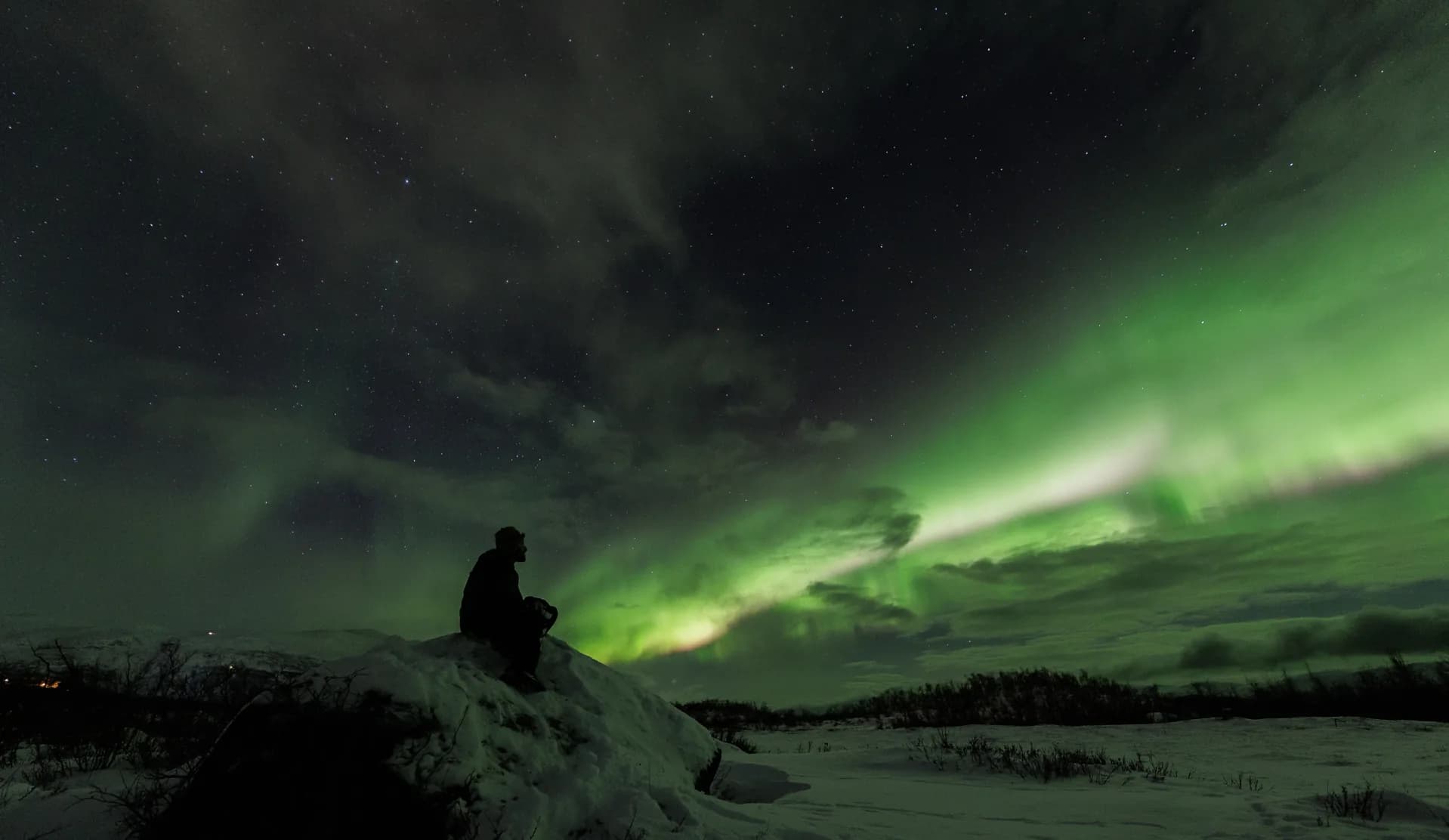
All of Swedish Lapland sits under the auroral oval. The lights are no more frequent over one valley than the next.
Why Abisko
SMHI names Abisko Sweden’s driest place: about 300 mm of rain and snow a year, while Riksgränsen, 30 km west, gets three times as much.
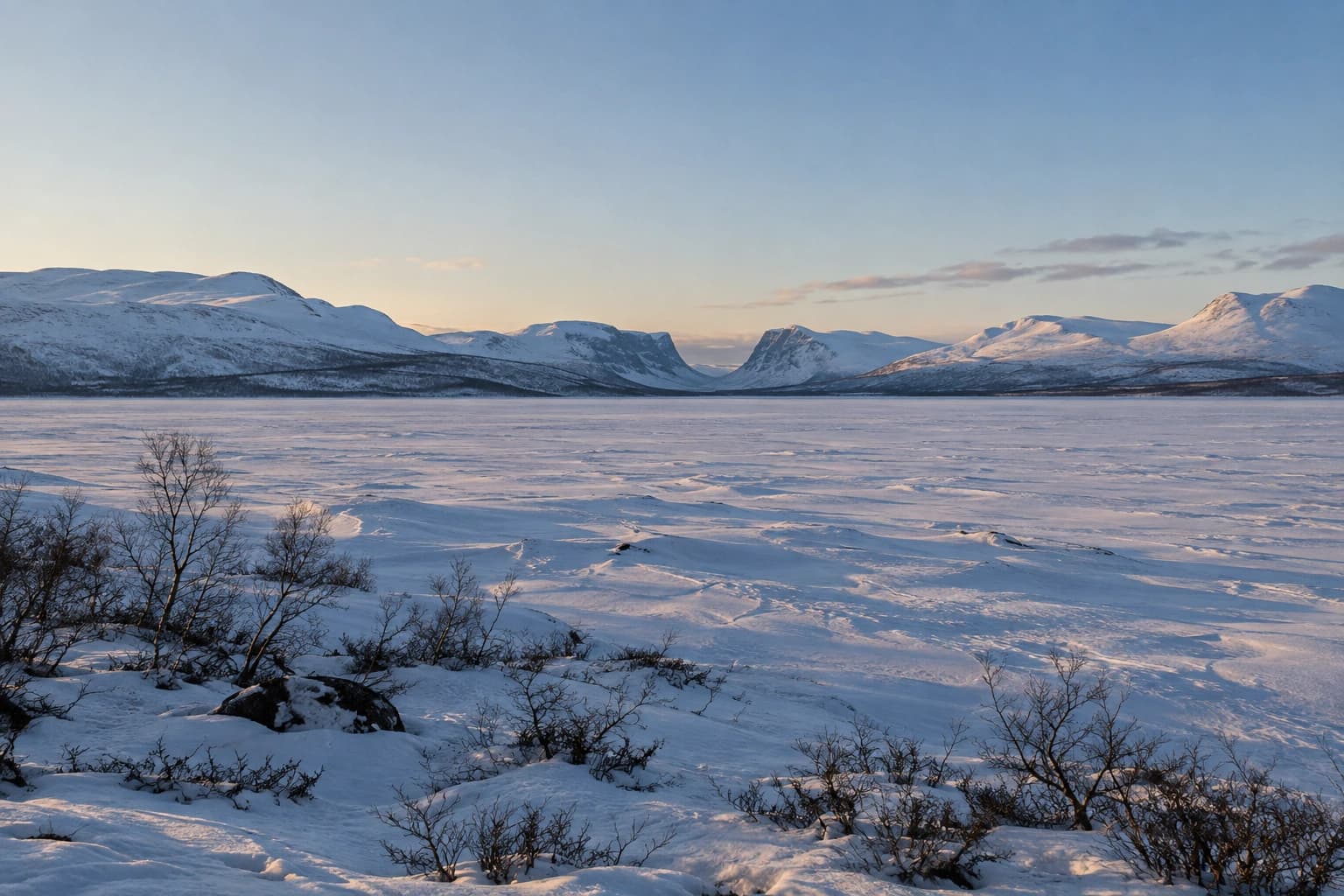
What Abisko offers is not more aurora. It is dark ground, a national park, a long frozen lake and a lift up to open fell.
Kiruna is wetter, but it logs more hours of sunshine a year. Anyone who tells you Abisko is always clear is selling something.
What decides whether you see them
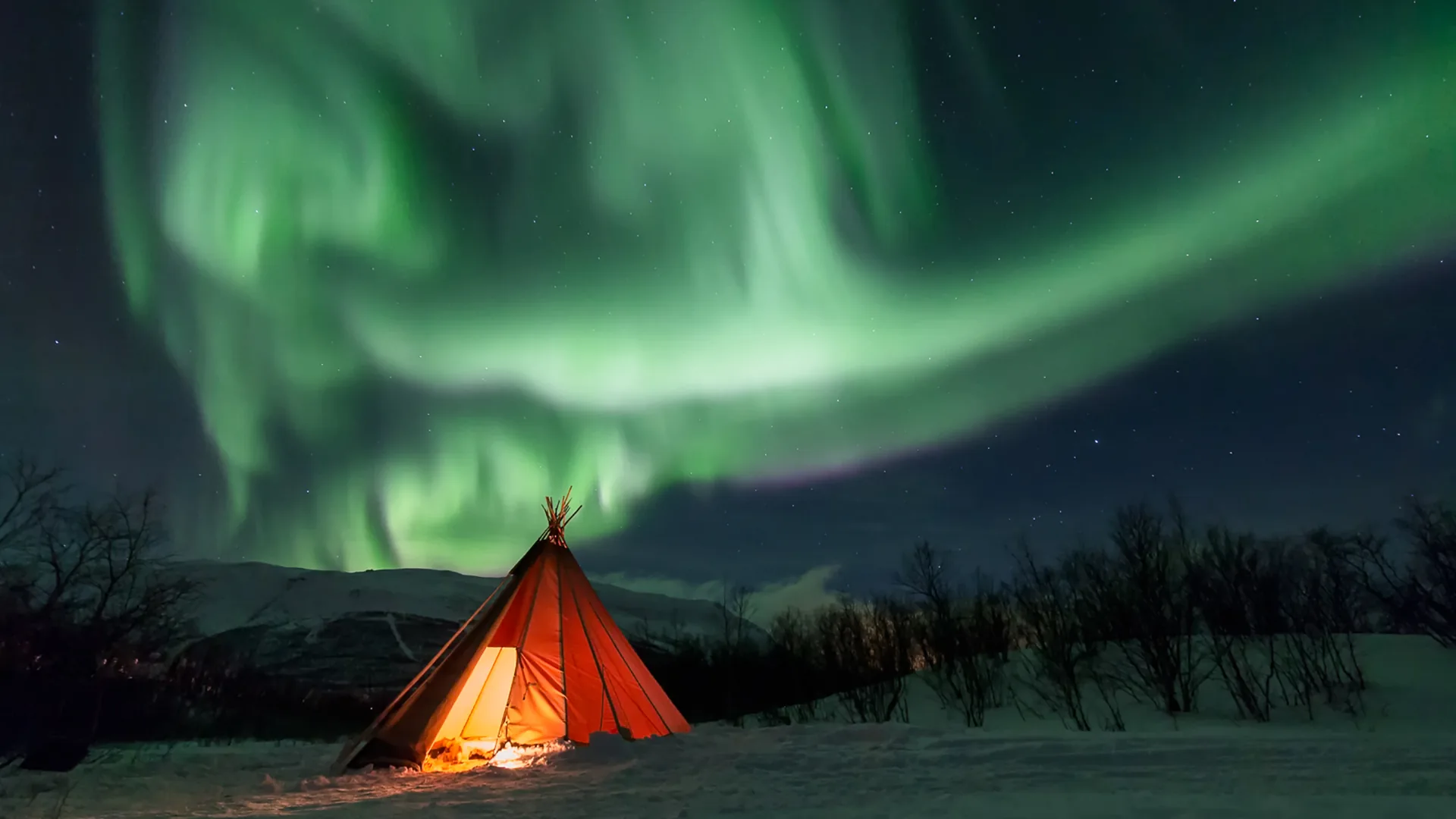
Three things have to line up on the same night: activity from the sun, darkness, and a clear sky. You control none of the first. The second is a matter of season: north of the Arctic Circle there is enough night from early September to late March. The third, cloud, decides most trips, and it is the one worth planning around.
That is why the most useful forecast on the evening is the cloud map, not the aurora forecast. In Abisko and Kiruna you are already beneath the auroral oval, so a quiet night on the aurora forecast can still produce a display worth seeing. A strong one behind a closed sky is invisible.
The two numbers people quote are Kp and Bz. Kp is a global measure of how disturbed the Earth’s magnetic field is, averaged over three hours; at this latitude you do not need a high one. Bz describes which way the solar wind’s magnetic field is pointing. When it turns south and stays there, activity can build fast. Check the cloud first, then those two.
The rain shadow, honestly
Abisko sits in the lee of the mountains on the Norwegian border. Weather coming off the sea drops its moisture on the way over, which is why SMHI, the Swedish weather service, names Abisko the driest place in the country. Its 1991–2020 records give Abisko 347 mm of precipitation a year against 566 mm in Kiruna.
Dry is not the same as clear. Abisko records fewer hours of sunshine a year than Kiruna.
You will read that Abisko has a “blue hole” that keeps the sky open, or that three nights there gives you an 88% chance of seeing the lights. Neither claim comes with published data, and we would rather not repeat either. What is true is less dramatic and still a good reason to go: a small village in a national park, very little artificial light, a long lake to look north across, and a lift that takes you up out of the valley.
Where to stand
Height and darkness, in that order. From 19 October 2026 to 27 March 2027 the Aurora Sky Station runs its night visit from 20:30 to 01:00: a two-kilometre open chairlift, about twenty minutes, up to roughly 900 metres on Nuolja, with overalls and boots included. In strong wind or extreme cold the lift closes and the evening moves to a fire-lit lavvu at ground level. Nobody can guarantee the lights, and the station does not pretend to. It is the evening we describe in Above the Treeline.
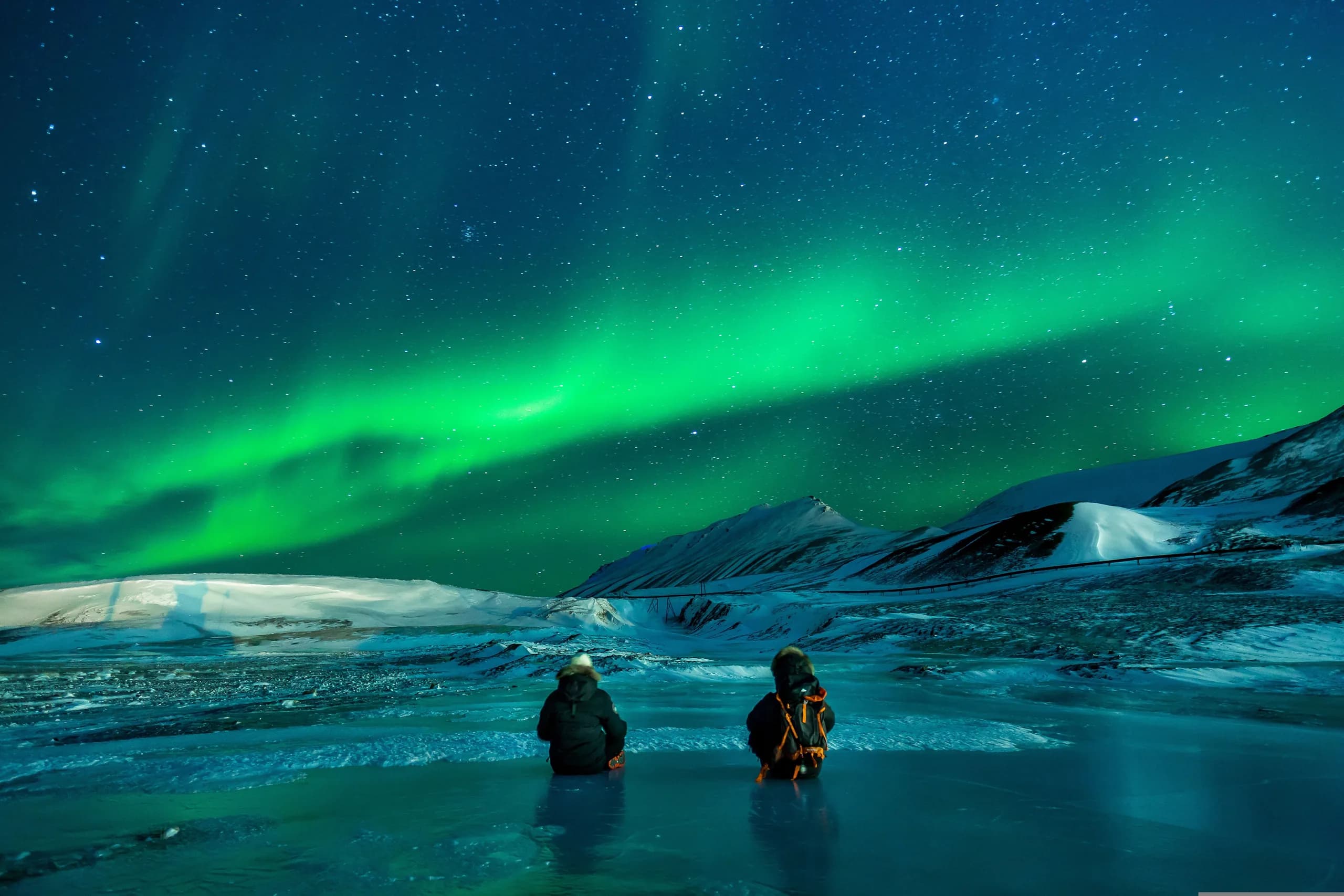
At lake level, fifteen minutes’ walk from any lodge puts the village behind you. What you do not want is a car park beside a road, with headlights crossing the sky. Be ready from nine in the evening and watch most closely between ten and two, but look up from dusk: on active nights it starts early. If you would rather someone else watched the cloud and drove to the gap, that is a private aurora night.
Getting there
Fly to Kiruna, about 90 minutes from Stockholm Arlanda with SAS or Norwegian. Abisko is 101 kilometres west on the E10: an hour and a half in normal conditions, up to two in winter. Or take SJ’s night train from Stockholm, which runs to Narvik and stops at Abisko after roughly 17 to 18 hours. Get off at Abisko Turiststation for the national park and the chairlift, or Abisko Östra for the village.
Kiruna is a small airport and most flights connect through Arlanda, so leave slack at the Stockholm end rather than this one. Never connect a same-day arrival in the north to a long-haul flight home.
Is 2026–27 still a good season?
Yes. The current solar cycle peaked in October 2024, and NASA and NOAA declared the solar maximum that month. Average activity is now falling, but strong storms continue through the declining years of a cycle, and at 68° north you do not need a strong storm. Nothing about this winter, or next, is a last chance.
A valley that has watched the sky since 1913
Abisko’s reputation began with science, not tourism. A research station was built at Katterjokk in 1903, burned in 1910, and was rebuilt at Abisko, where observations started in 1913. In Kiruna, the Swedish Institute of Space Physics has photographed the whole night sky since 1956, and its camera still takes a picture every minute. The Sámi word for the aurora, guovssahas, is usually translated as “the light you can hear”. According to Ole Henrik Magga, the first president of the Sámi Parliament in Norway, it more likely comes from guovssu, meaning dawn.
Month by month
Abisko, 68° north. Average daylight, full darkness and temperature for each month.
- SeptemberSeason opens13 h daylight · about 2 h full darkness · 6°C. Real darkness only returns mid-month. Autumn colour and open lakes, but the least settled weather.
- OctoberGood9 h daylight · 8 h darkness · around 0°C. A good balance of dark nights and bearable cold, before the snow is deep.
- NovemberGood5 h daylight · 11½ h darkness · −4°C. Long nights and changeable, early-winter weather.
- DecemberDarkestPolar night from about 6 December into early January: the sun does not rise. 13 h darkness · −7°C, and the busiest holiday weeks.
- JanuaryColdest3 h daylight · 12½ h darkness · −10°C on average, and clear nights often in the low −20s.
- FebruaryOur pick7½ h daylight · 10 h darkness · −10°C. Deep snow, long nights, and enough day for sledding or the frozen lake.
- MarchOur pick11½ h daylight · 5 h darkness · −6°C. Shorter nights, but the best all-round month: snow, light and milder cold.
- April – AugustNo auroraNo real darkness from April. From about 25 May to mid-July the sun does not set: a different trip entirely.
Daylight and darkness calculated from NOAA solar geometry; temperatures from SMHI station observations. Figures are rounded averages.
Five places to see
the lights in Sweden
Every one of these sits under the auroral oval. What separates them is how dark they are, how easily you reach them, and what fills the days.
- Our first choice
Abisko
Dry, dark and quiet, with a national park and a train station on the doorstep.
The place - Icehotel
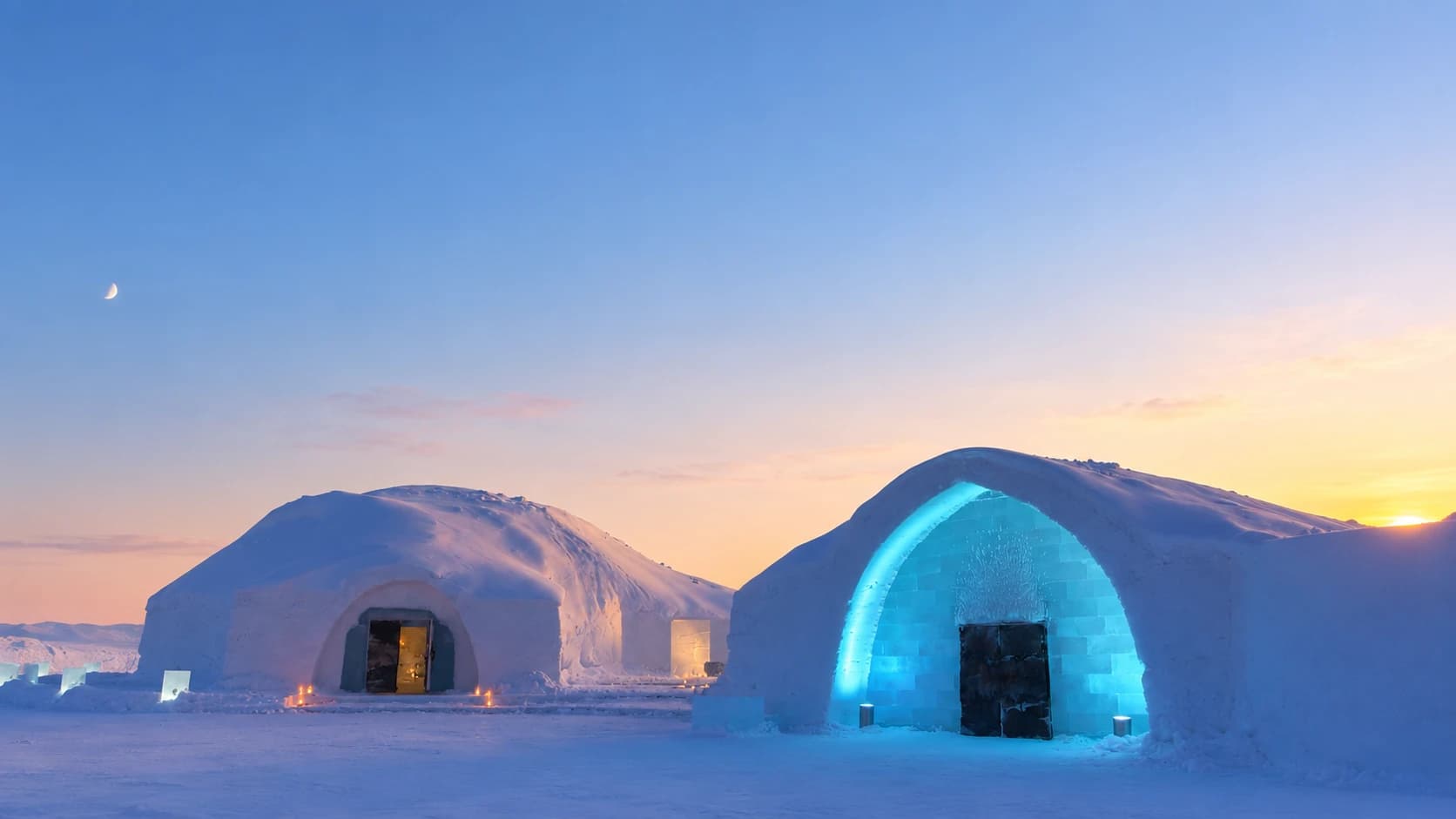
Jukkasjärvi
Twenty minutes from Kiruna airport. The easiest choice with children.
The place - Sápmi
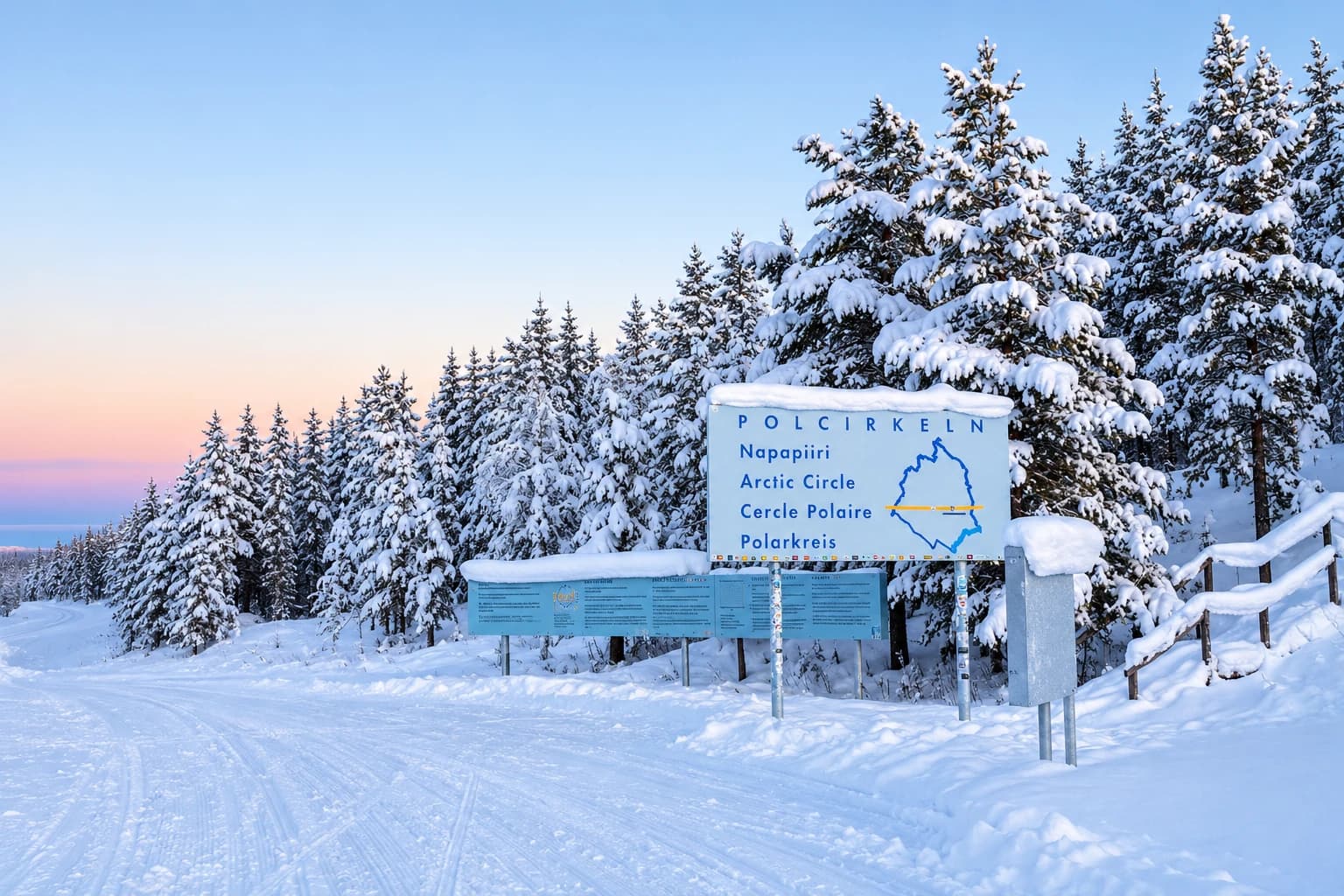
Jokkmokk
On the Arctic Circle. Pair it with the winter market in February.
The place - Treehotel
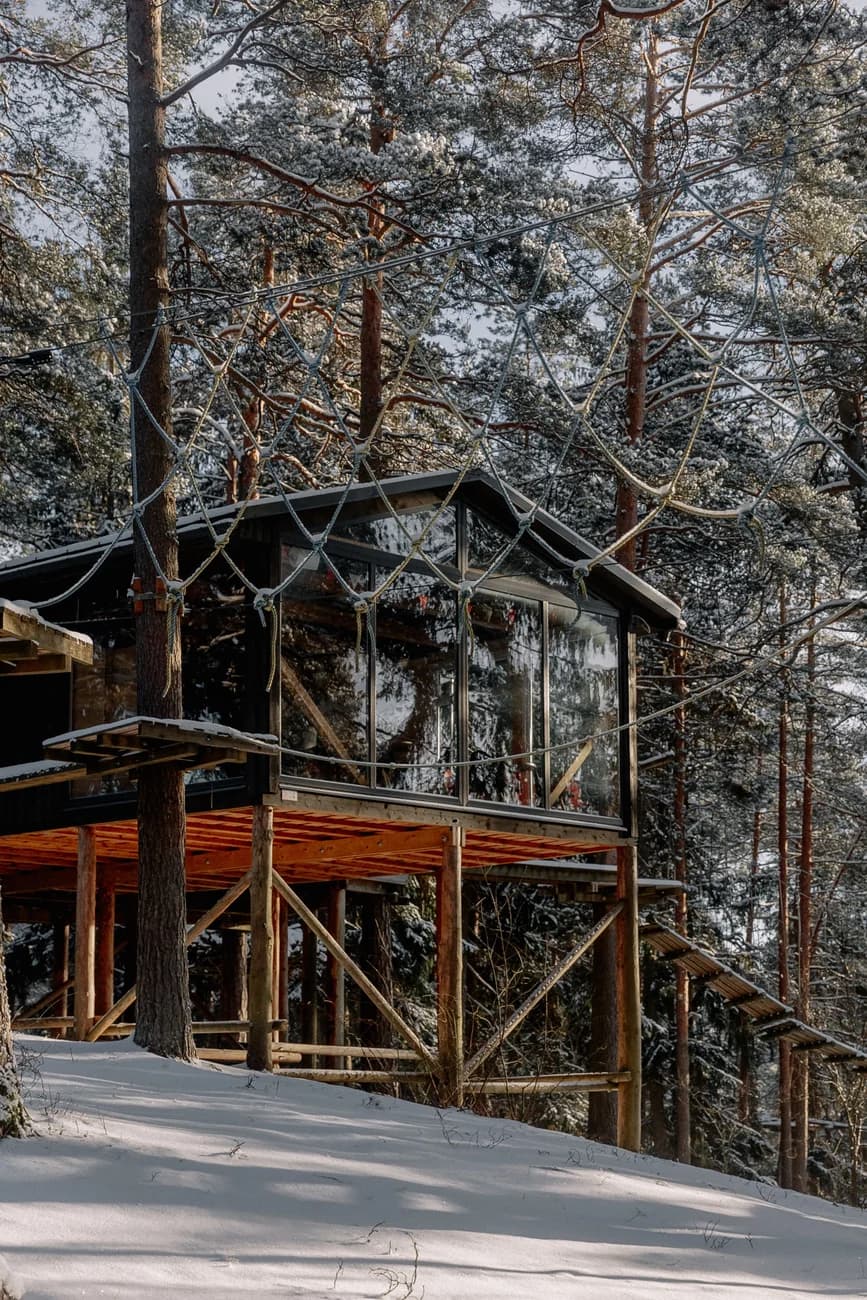
Harads
Very little light at night. Watch from the river: the forest hides the sky.
The place - Frozen sea
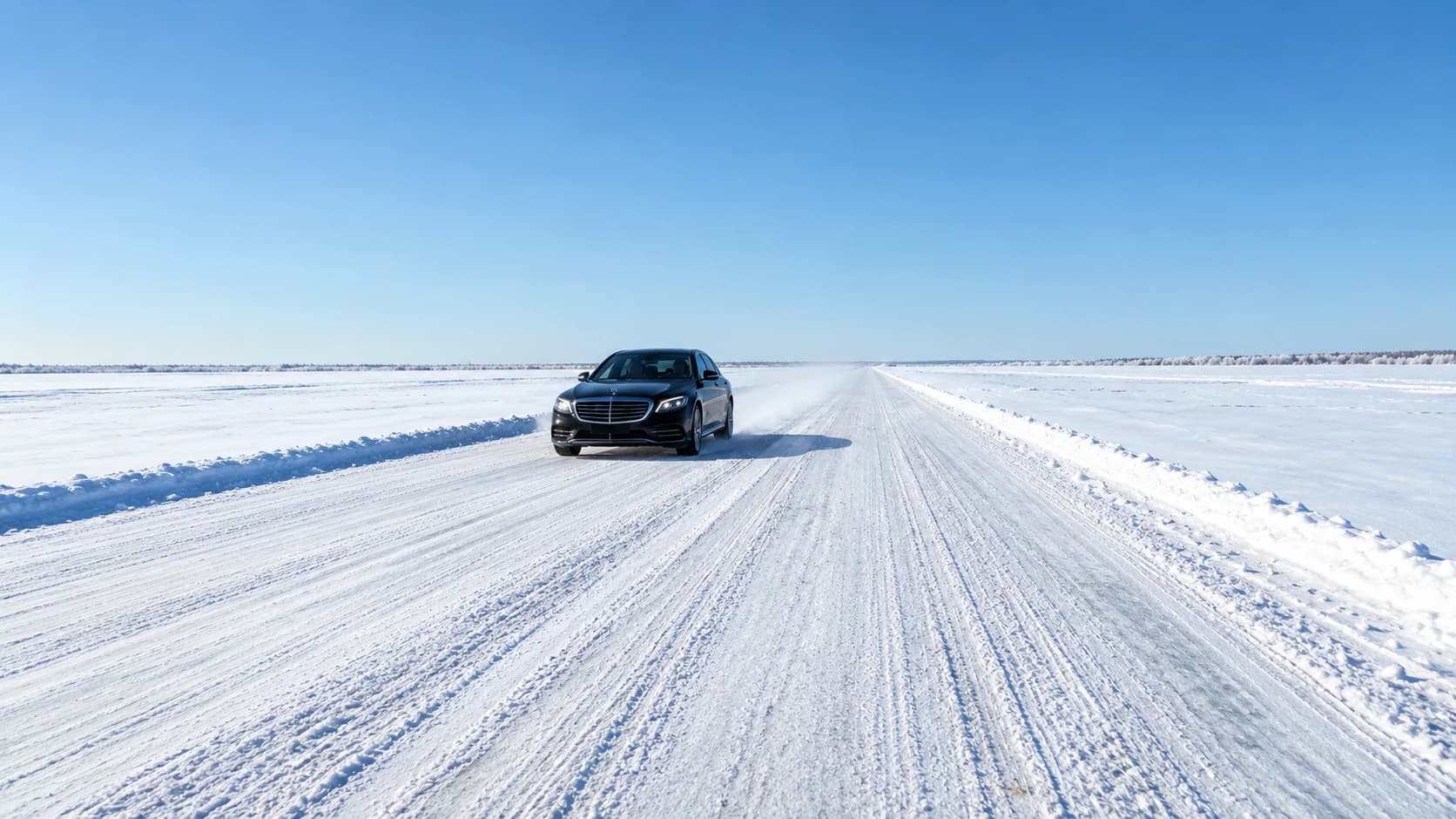
Luleå archipelago
The easiest flights, and ice roads on the frozen sea. Further south, so a weaker pure-aurora bet.
The place
How many nights
to give it
Threenights, at least
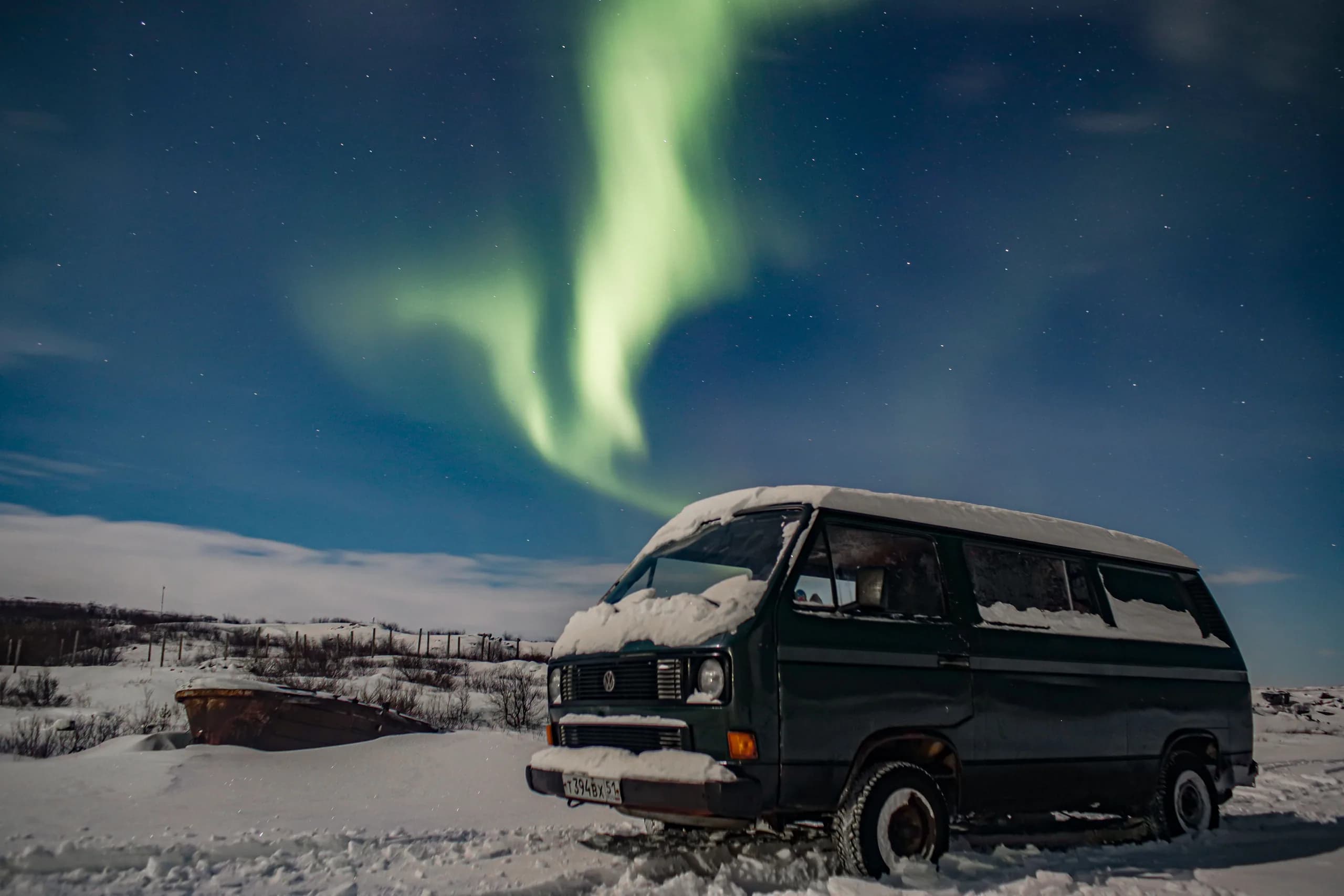
The aurora is weather, not a timetable, and nobody honest will promise you one. Nights are the one thing you control.
- OneA coin toss, anywhere on earth, including here.
- ThreeThe sensible minimum. It rides out a single cloudy night.
- Four or fiveIf the lights are the point. Weather arrives in spells lasting days, so extra nights matter more than the maths suggests.
Worth knowing
Six things other guides get wrong
- “You need a high Kp.”Not in Lapland. You are already under the auroral oval, and low-Kp nights can be beautiful. Cloud matters far more.
- “Abisko’s blue hole means clear skies.”Abisko is dry, and that is documented. A guaranteed gap in the cloud is not.
- “Cold nights cause the aurora.”They don’t. Cold nights are often clear nights, which is why the two get confused.
- “A full moon ruins it.”It lowers the contrast, not the aurora. A strong display is still clear under a bright moon, with the landscape lit around it.
- “It will look like the photographs.”Cameras gather more light and colour than the eye. Faint displays often look grey-white in person, and green on the screen.
- “The train from Stockholm takes 12 hours.”Current timetables to Abisko are nearer 17 to 18 hours. Check the dates you travel.
What to bring
- Merino base layers, top and bottom
- A warm mid-layer, and a windproof outer shell
- Mittens over thin gloves you can work a camera in
- A hat that covers your ears, and a neck warmer
- Spare batteries, kept warm inside your jacket
- A headlamp with a red setting
- Heavy outer layers and boots: we provide these
Questions
Can I see the northern lights in Sweden tonight?
Check the cloud forecast first, on SMHI or Yr, then NOAA's 30-minute aurora forecast. In Abisko or Kiruna you are already under the auroral oval, so a clear, dark sky matters more than a high Kp.
Can you see the northern lights in Stockholm?
Sometimes, during strong geomagnetic storms, low on the northern horizon and away from city light. It happened in May and October 2024, but it is not reliable enough to plan a trip around. Go north of the Arctic Circle if the lights are the point.
Is September or March better?
March, if you only go once: deep snow, around eleven and a half hours of daylight, and the aurora still running. After mid-September, September is milder, with autumn colour and open lakes, but the weather is less settled. Both sit close to the equinoxes, when geomagnetic activity tends to be slightly higher on average.
Abisko or Kiruna?
Abisko for the sky: it is drier, darker and quieter, with a national park at the door. Kiruna for logistics: the airport, more tours and more restaurants, and it is half an hour from the Icehotel. Many of our winter journeys use both.
Is Norway or Sweden better for the northern lights?
Neither wins outright. Norway's coast gives you fjords and mountains, with more maritime cloud. Inland Swedish Lapland is colder and drier, and calmer to travel through. Choose on the scenery and the trip you want around the nights.
Is 2026 a good year to see the aurora?
Yes. The solar cycle peaked in late 2024 and is now declining, but strong storms continue through the declining years, and at Lapland's latitude you do not need a strong storm. Cloud is the bigger risk in any season.
How cold does it get?
In January and February the average temperature in Abisko is around minus ten, and clear nights, which are the ones you want to be outside for, often fall to minus twenty or below. Layer properly and use mittens; we provide heavy outer clothing and boots.
What if it is cloudy every night?
It can happen, which is why we plan three nights or more and build days that are worth having on their own: dog sledding, the frozen lake, the national park. A guide with a vehicle can also drive you towards a gap in the cloud when the forecast shows one.
Norrsken: Swedish for the northern lights. Literally, “the north’s shine”.
Sources for this guide
- SMHI — Regnskugga (rain shadow), Abisko
- SMHI — Precipitation and sunshine, 1991–2020 normals
- SMHI — Midnight sun and polar night
- NOAA SWPC — Tips on viewing the aurora
- NOAA SWPC — Solar cycle progression
- NASA/NOAA — The Sun reaches its maximum phase (Oct 2024)
- STF — Aurora Sky Station night visit, 2026–27
- SJ — Night train to Narvik
- Kiruna Lapland — Flights to Kiruna
- Swedish Polar Research Secretariat — Abisko Scientific Research Station
- IRF — All-sky camera, Kiruna
- Arctic Norway — The Sámi word for the northern lights
Plan a northern lights trip.
Tell us roughly when, and we will build the nights around the sky: the right valley, the right lodge, and someone watching the cloud.