Swedish Lapland
Abisko
The clearest sky in the Arctic, and a valley that keeps it that way.
Region
Swedish Lapland
Best season
Dec – Mar
Best for
Couples and photographers
About Abisko
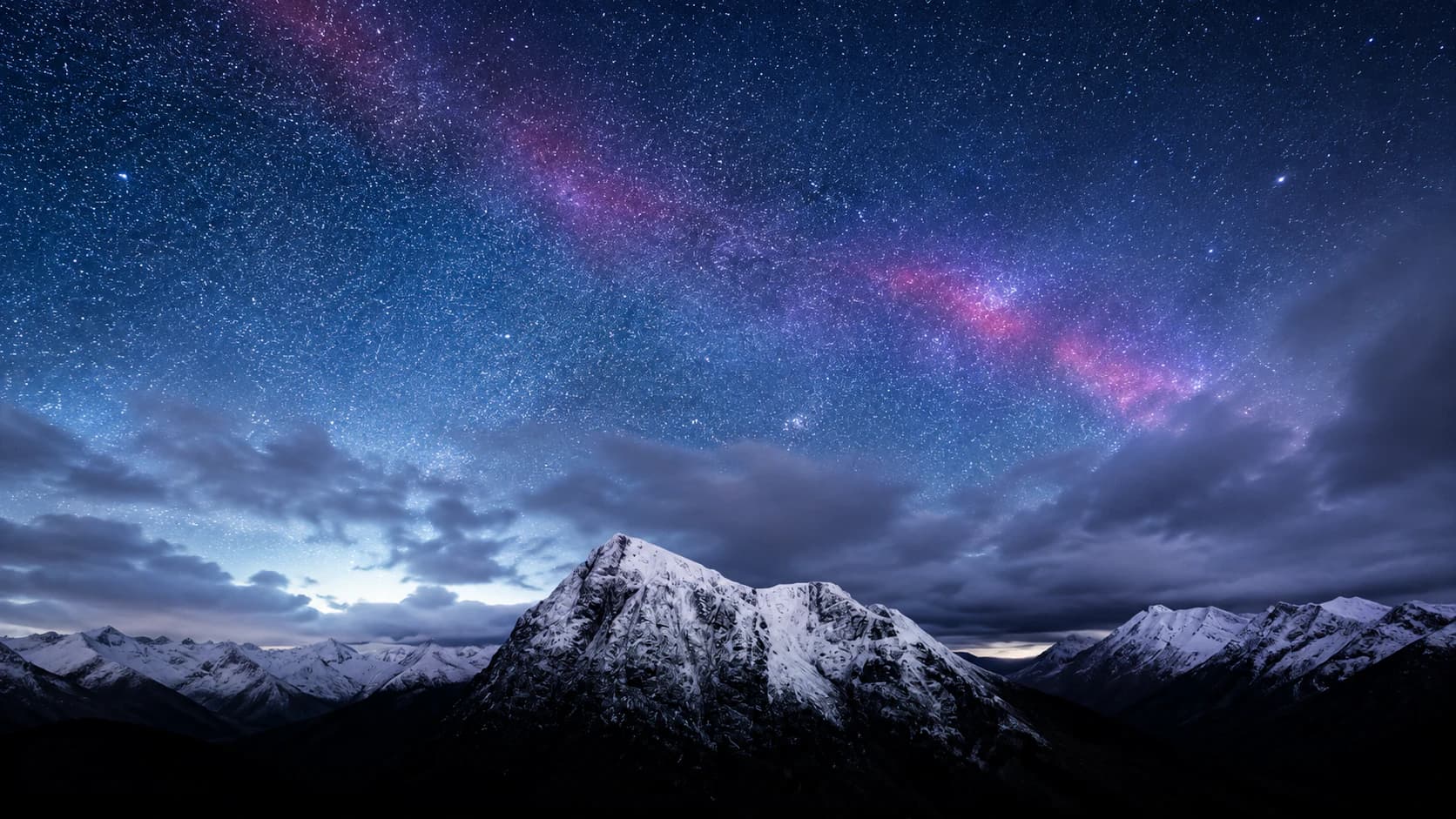
Abisko sits in the rain shadow of the Norwegian mountains. Weather coming off the Norwegian Sea has to climb the peaks on the border to get here, and drops most of its moisture doing it — which is why the valley is one of the driest places in Sweden, and why the sky above it is so often open when everywhere around it is closed in. That gap in the cloud is the reason people travel here rather than anywhere else in the Arctic. The aurora is no more frequent over Abisko than over the rest of Lapland; you can simply see it more of the time.
Getting there
Fly to Kiruna — the only airport within reach — and we drive you the hundred kilometres west. Or come by train, which on a first visit is the arrival we would suggest: the sleeper from Stockholm reaches the valley in the morning, so the journey costs you no daylight.
You will not need a car once you are here, and in midwinter we would rather you did not have one.
What to see and do in Abisko
Watch from above the treeline
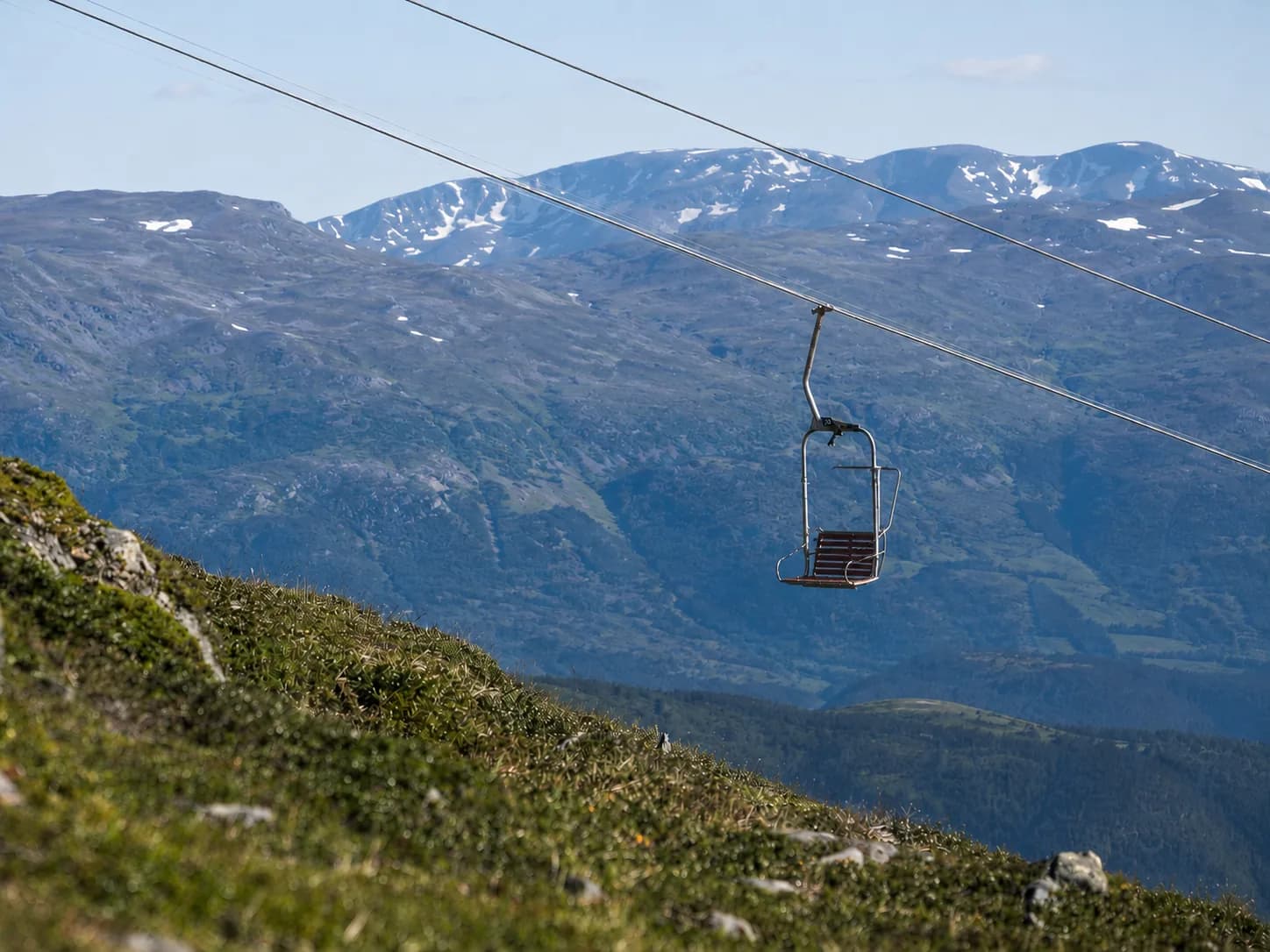
A chairlift lifts you out of the forest onto open fell, where nothing interrupts the horizon in any direction. It is a completely different experience from standing in a car park with a tripod.
Walk the mouth of the Kungsleden
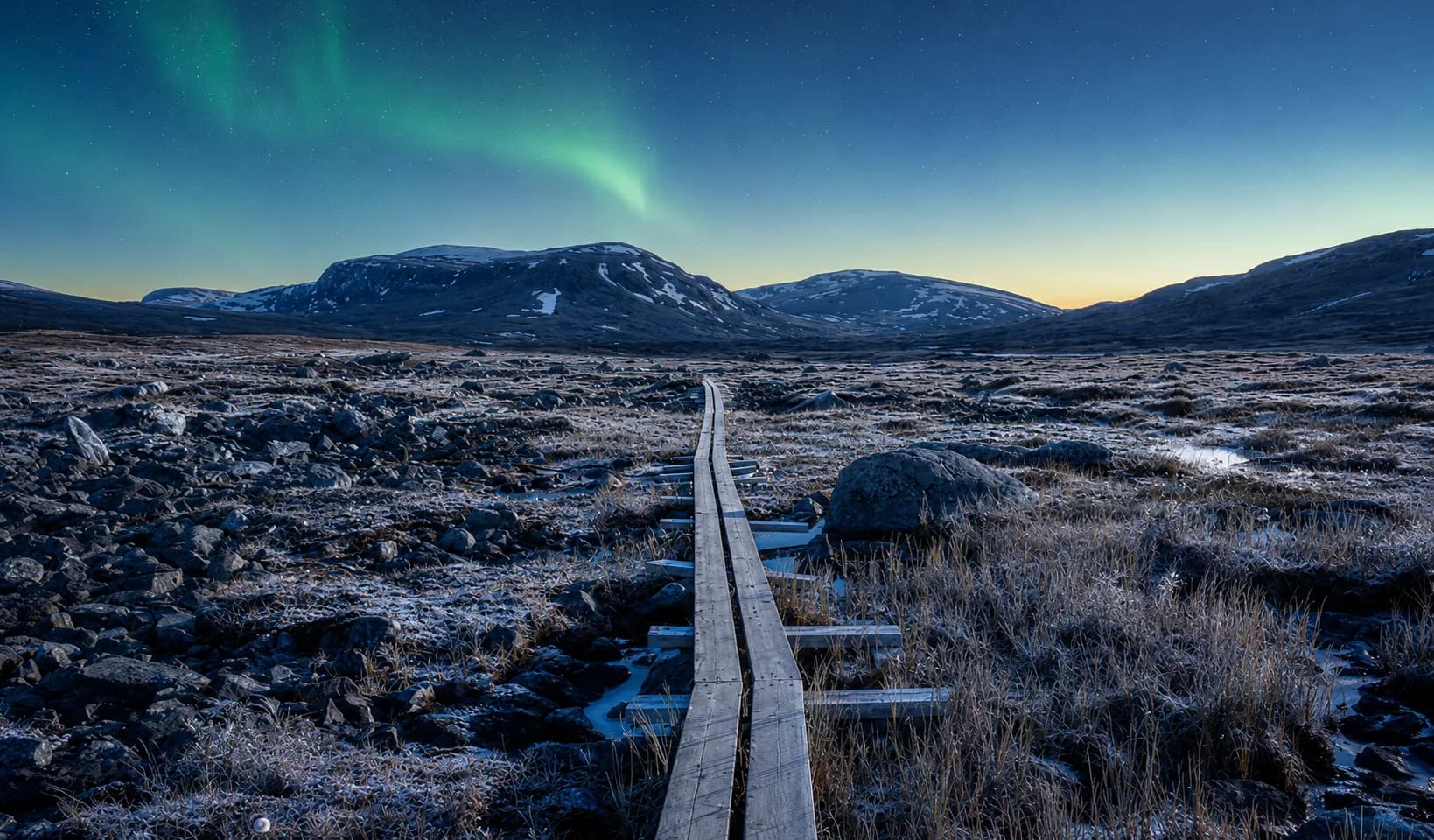
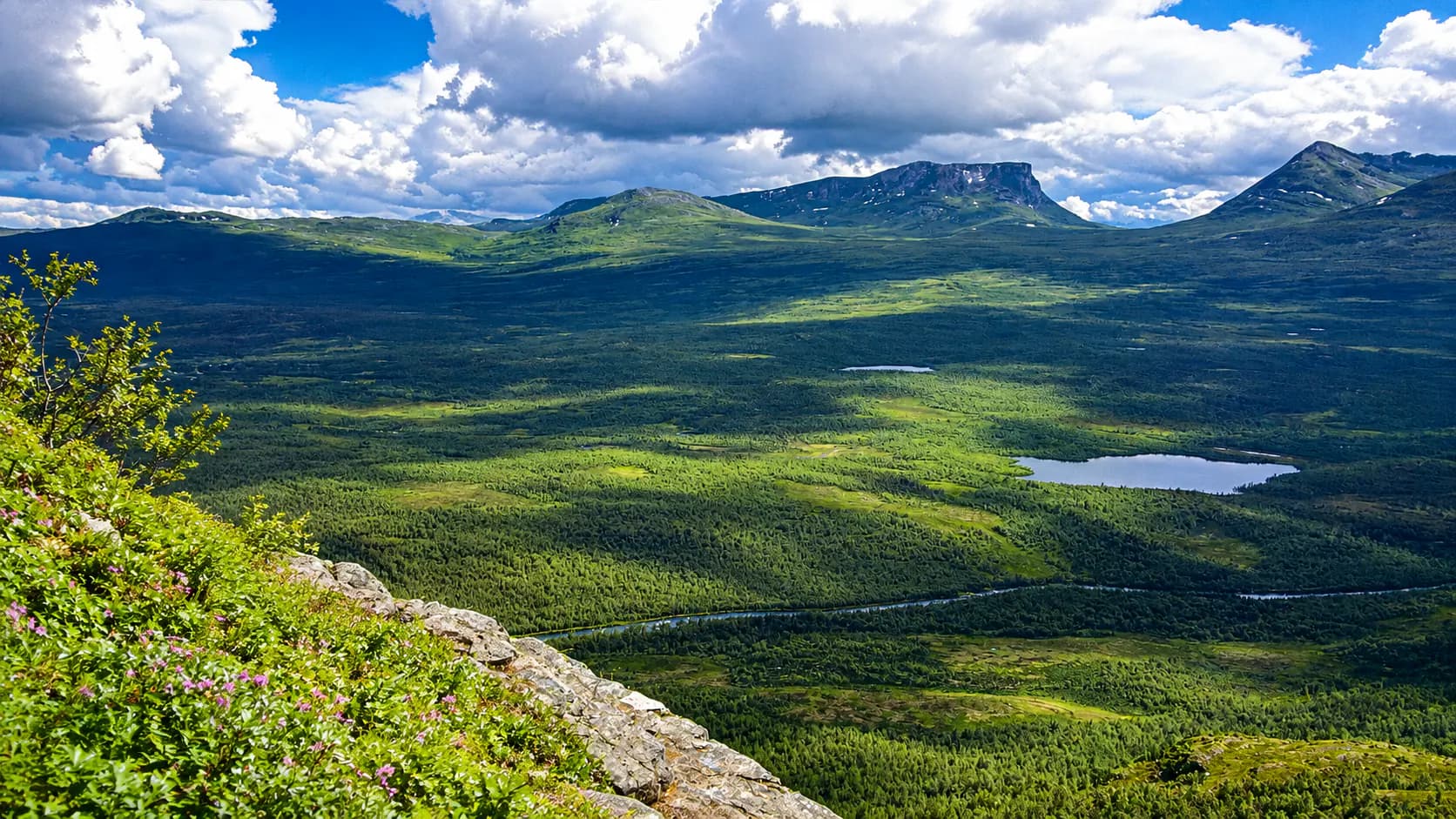
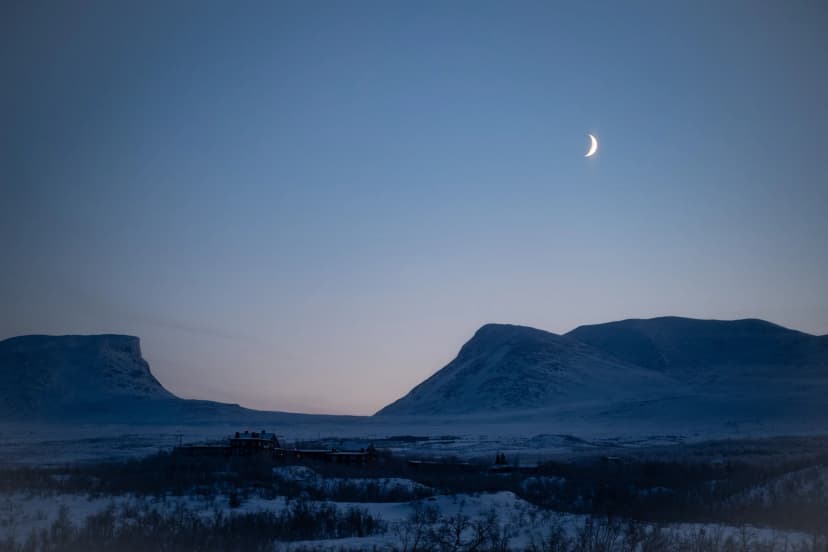
Sweden's great long-distance trail begins here. You do not have to walk all of it — a day on the first stretch, with the Lapporten valley ahead of you, is the point.
Give it three nights
The aurora is weather, not a scheduled event. Three nights in the driest valley in the Arctic is what turns a hope into a near-certainty, and it is the single most useful thing we will tell you.
Arrange My Trip
When to go to Abisko
Polar night
7 Dec – 6 Jan
For thirty-one days the sun does not clear the horizon at all. That is not the same as darkness: the middle of the day is a long blue twilight, bright enough to walk in and the reason photographers come now rather than in March. The aurora has the rest of the clock to itself.
Deep winter
January – February
The sun returns slowly — under three hours of it in mid-January, closer to eight by mid-February. Long nights, the coldest air of the year, and the strongest displays. This is the window most people mean when they say they want to see the lights.
Late winter
March
Eleven and a half hours of daylight by mid-month and the aurora still running, so you get a day worth having as well as a night. Deep snow, and warm enough to enjoy standing still in. Our own favourite month here.
Midnight sun
26 May – 20 Jul
Fifty-six days when the sun never sets. No aurora — you cannot see it against a lit sky — so this is an entirely different trip: the Kungsleden, the fell, and light at two in the morning. It ends in the third week of July, whatever the brochures say.
Autumn
September – October
Aurora season reopens in September with around thirteen hours of daylight either side of it, the birch turns, and the valley empties. The trade is weather: this is the least settled part of the year, and the rain shadow helps less when the cloud is low.
Journeys that visit Abisko
All journeys
Abisko: common questions
Anything not answered here, ask us directly — we'd rather you did.
When is the best time to see the northern lights in Abisko?
The season runs from early September to late March, and the strongest, darkest conditions are December to February. What makes this valley different is not the aurora — it is no more frequent here than anywhere else at this latitude — but the cloud. Abisko sits in the rain shadow of the Norwegian border peaks and is one of the driest places in Sweden, so the sky above it is open on nights when the coast and the country east of here are closed in. You are not buying better odds of an aurora. You are buying a better chance of seeing the one that happens.
March or September? They both look like aurora season.
March, if you only do this once. Both months sit inside the season and both give you a proper day as well as a night — about eleven and a half hours of light in March, thirteen in September. The difference is the ground and the weather. March is deep snow, settled skies and everything winter is for: sledding, skiing, the frozen lake. September is autumn colour and milder air, but it is the least settled stretch of the year here, and the rain shadow helps you less when the cloud sits low in the valley. September is the better second visit.
How many nights do I need?
Three. One night is a coin toss anywhere on earth, including here — the aurora is a forecast, not a timetable. Two improves matters. Three, in this particular valley, means it would be genuinely unlucky to leave without seeing something. We build our winter journeys around that number for exactly this reason, and we would rather say so now than have you plan a single night and hope.
How do I get to Abisko without a car?
Two ways, and neither of them asks you to drive. Fly to Kiruna and we meet you at arrivals: Abisko is just under a hundred kilometres west on the E10, a little over an hour in summer and longer in winter, when the road is cleared but rarely quick. Or take the train, which is the better arrival — Abisko sits on the Iron Ore Line, the freight railway between Luleå and Narvik, and it stops twice in the valley. You want Abisko Turiststation for the national park, the chairlift and most of the lodging; Abisko Östra is the village stop, a little further on. Once you are here the valley is walkable, the trailheads are served, and the only thing a car would add is a reason to be on ice in the dark.
What happens if my flight to Kiruna is delayed?
It is worth planning for, because it is commoner in the months you are most likely to be travelling. Kiruna is a small airport, almost everything routes through Stockholm Arlanda, and winter weather this far north diverts aircraft. Which is the argument for not booking the last connection of the day, and for leaving any slack in your plan at the Stockholm end rather than this one. If a flight moves, we move the rest of the chain with it — the transfer, the lodge, the table that now has to be later — and you make one call rather than four. What we cannot reschedule is the aurora, which is the other reason three nights is the number.
How cold does it get, and what do I need to bring?
Mid-winter nights sit around minus ten to minus fifteen, and drop past minus twenty when the sky is clear — which is, inconveniently, exactly the night you want to be outside. The record is near minus thirty-five. Bring warm base layers, a hat that covers your ears and boots you can stand still in for an hour, because standing still is the activity. You do not need to buy an expedition parka: proper outer clothing and boots come with the lodges. The cold is a packing question, not a reason to reconsider.
Is there anything to do besides wait for the northern lights?
Yes, and a trip built only around the sky is a trip that can be ruined by one cloudy week. The Kungsleden, Sweden's long-distance trail, starts here — you do not have to walk all of it, and a day on the first stretch with the Lapporten valley ahead of you is the point. There is the chairlift up onto open fell, the frozen length of Torneträsk, dog sledding and the national park itself. In summer this is a hiking destination that happens to have no darkness in it at all.
Should we stay in Abisko or in Kiruna?
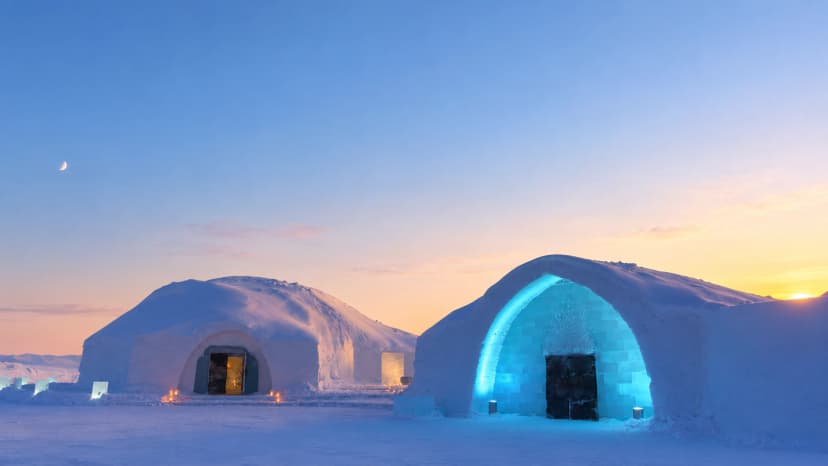
If the lights are why you are coming, stay in the valley. Kiruna has the airport, a town and the ice hotel half an hour the other side of it, and it is a perfectly good base for everything except the one thing Abisko is for — Kiruna sits outside the rain shadow and is measurably cloudier. Driving out here each evening on the chance of a clear sky, then driving back at one in the morning, spends the advantage you came for. Most of our winter journeys use both: the ice and the town from Kiruna, the sky from here.
Is Abisko a tourist trap?
The chairlift and the station at the top are busy, and in February they are busy with people who have all read the same article. The valley is not. It is a national park with one small village in it, and you can walk fifteen minutes from a warm room and be alone under the whole sky — no ticket, no guide, no minibus. The thing worth paying for here is someone who knows which night to go out and which side of the lake to stand on. It is not the entrance fee.
Ready when you are
Travel to Abisko
Every journey we design starts with one conversation. Tell us roughly when you'd like to travel and who's coming, and we'll take it from there.