Darkness, and how to photograph it
The Month With No Sunrise
Five nights in the weeks the sun does not come up at all. Not an aurora trip — a trip about the dark.
What you'll remember
- A midday that is four hours of deep blue and then nothing, every day you are here
- Learning to expose for near-total darkness, which is the actual skill nobody teaches
- Ice climbing a frozen fall by headlamp, because the hour hardly matters any more
- A wood-fired sauna above the lake ice with the sky in the window and no clock in the room
The story
The sun does not come up while you are here, and by the third day you have stopped waiting for it.
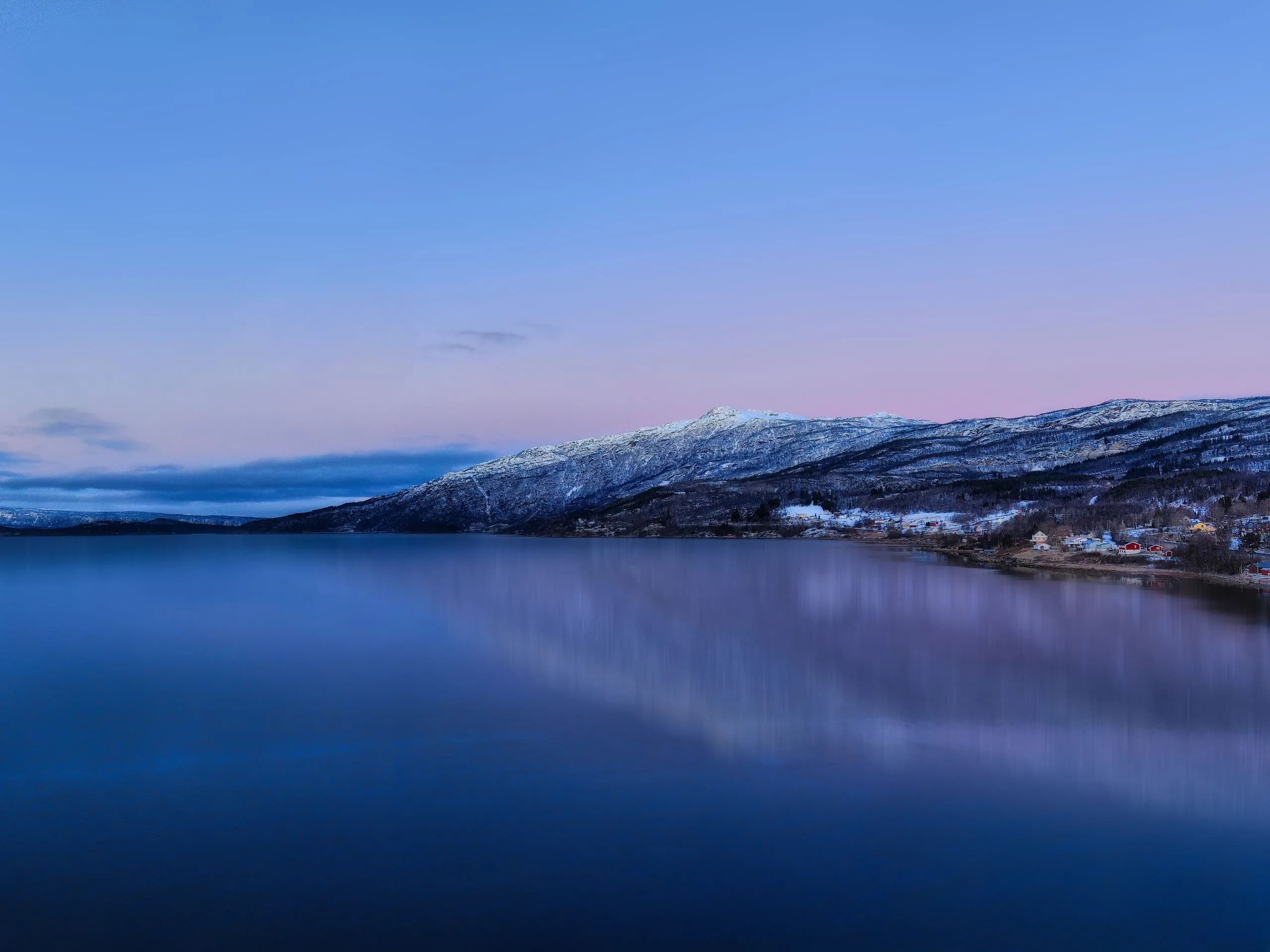
This far inside the Arctic Circle the sun goes below the horizon in the first half of December and stays there for about a month. Not dim. Gone. What you get instead is a long blue middle to the day — a few hours of light with no source, coming off the snow rather than out of the sky — and then dark again by early afternoon.
Almost everybody who comes up here in December comes for Christmas or for the aurora, and both of those treat the darkness as a backdrop. This journey treats it as the subject. Five nights in the weeks the sun does not rise, built around what that is actually like: how the blue hour behaves, why the snow reads the way it does, what happens to your sense of time when nothing marks the middle of the day.
Photography belongs here for a real reason rather than as an upsell. Exposing for a landscape with no sun in it is a genuine technical problem, and this is the one place and the one fortnight where you have to solve it all day rather than for twenty minutes at dusk. If you have never used a camera in manual, you will by the second evening. If you already can, you have never had these conditions to work in.
This is a curated journey we can arrange. Book it as designed, tailor it around your dates, your pace and who is coming, or use it as the starting point for something new.
Where you'll be
5 nights in one place, and no packing up in between. Everything on this journey happens within reach of it.
- AbiskoSwedish Lapland
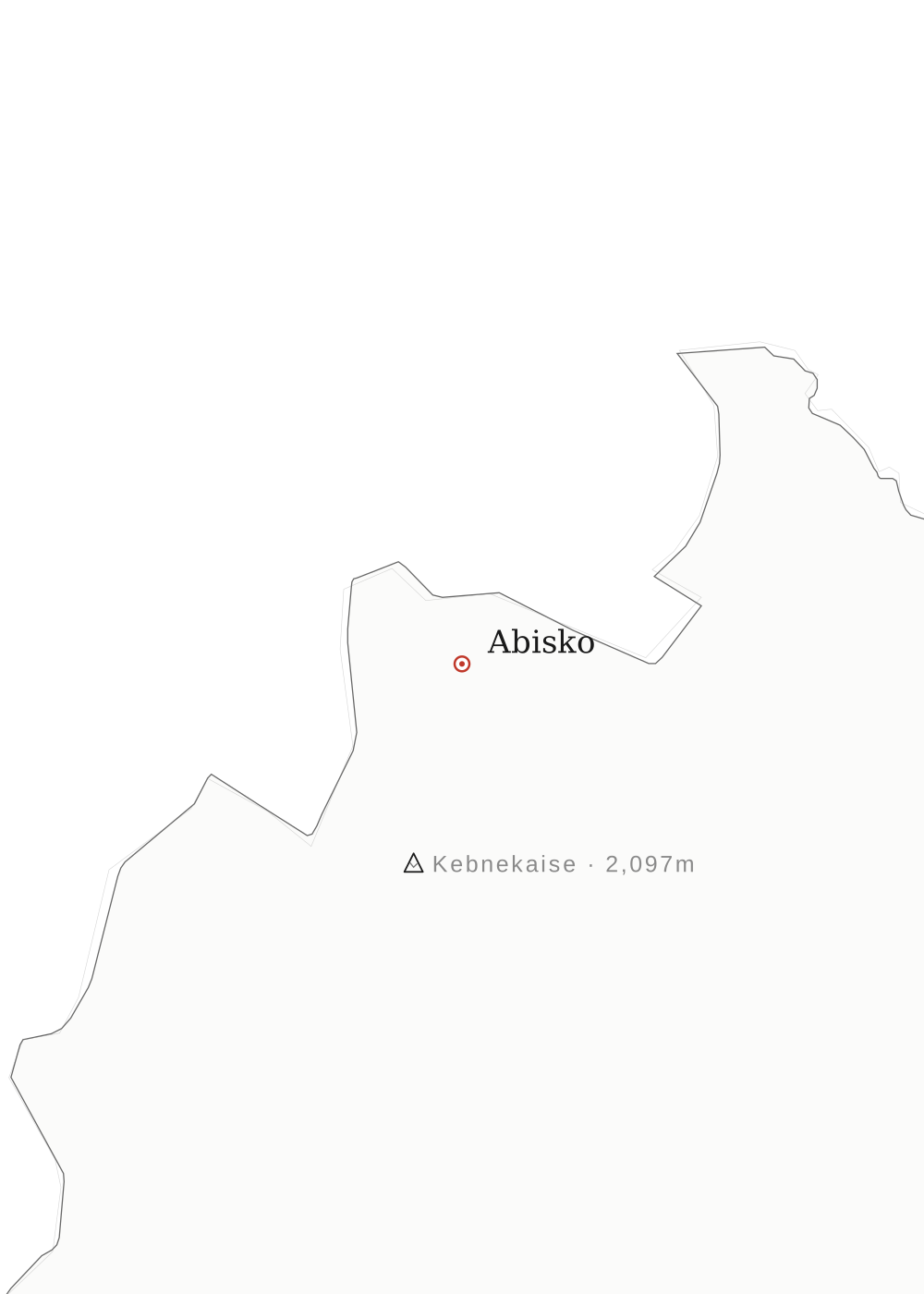
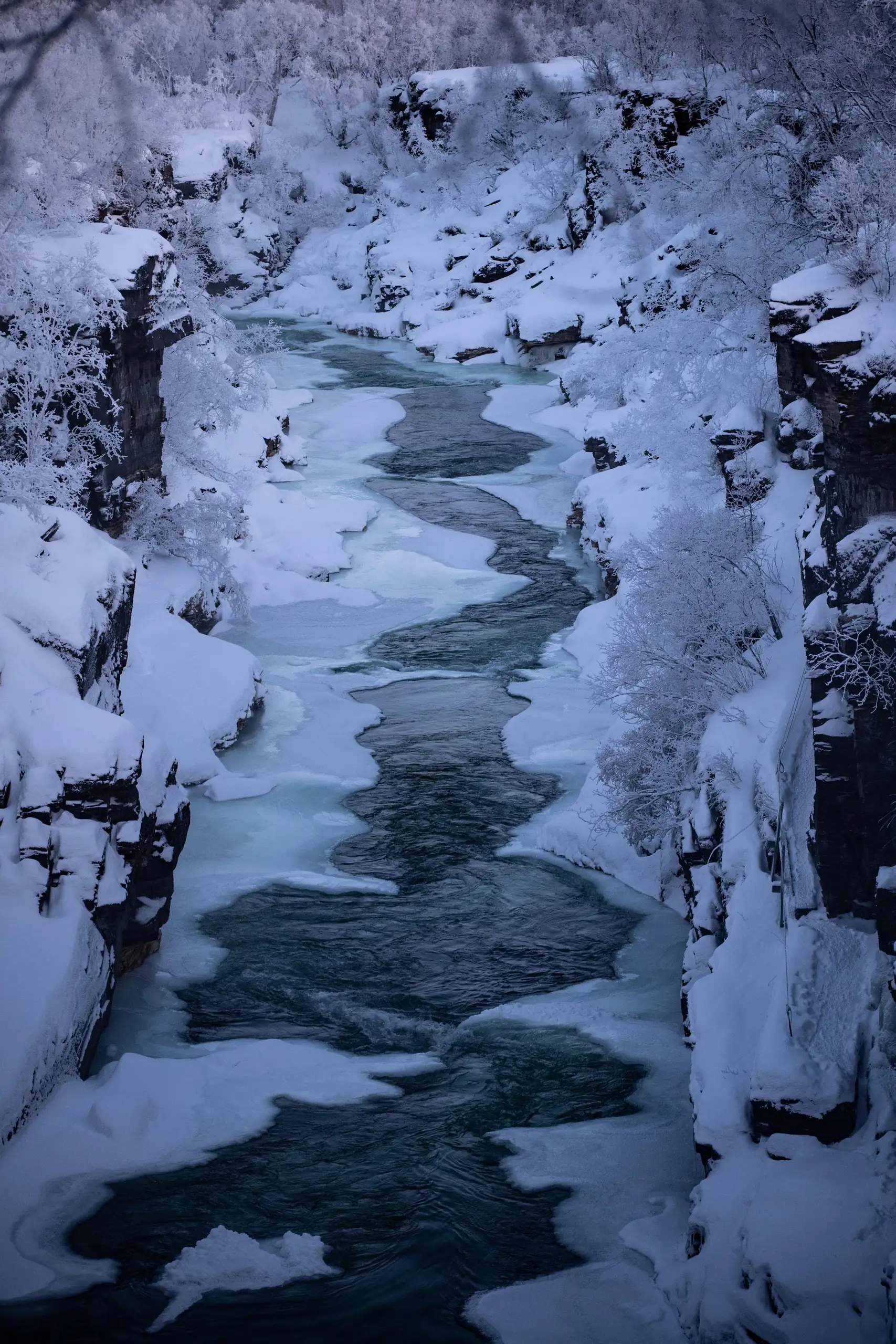
Abisko
The blue middle of the day
You will lose your sense of time within about thirty-six hours, and it is worth arriving expecting that rather than fighting it. Breakfast is in the dark. The light comes up around the middle of the morning without ever becoming daylight — a deep, even blue with no direction to it — holds for a few hours, and goes again.
The first two days are spent out in it. Snowshoes into the birch along the river, up onto the open ground where the lake opens out below, and back before the blue has gone. It is the best light this landscape ever gets and almost nobody photographs it, because everybody is asleep at eleven in the morning saving themselves for the night.
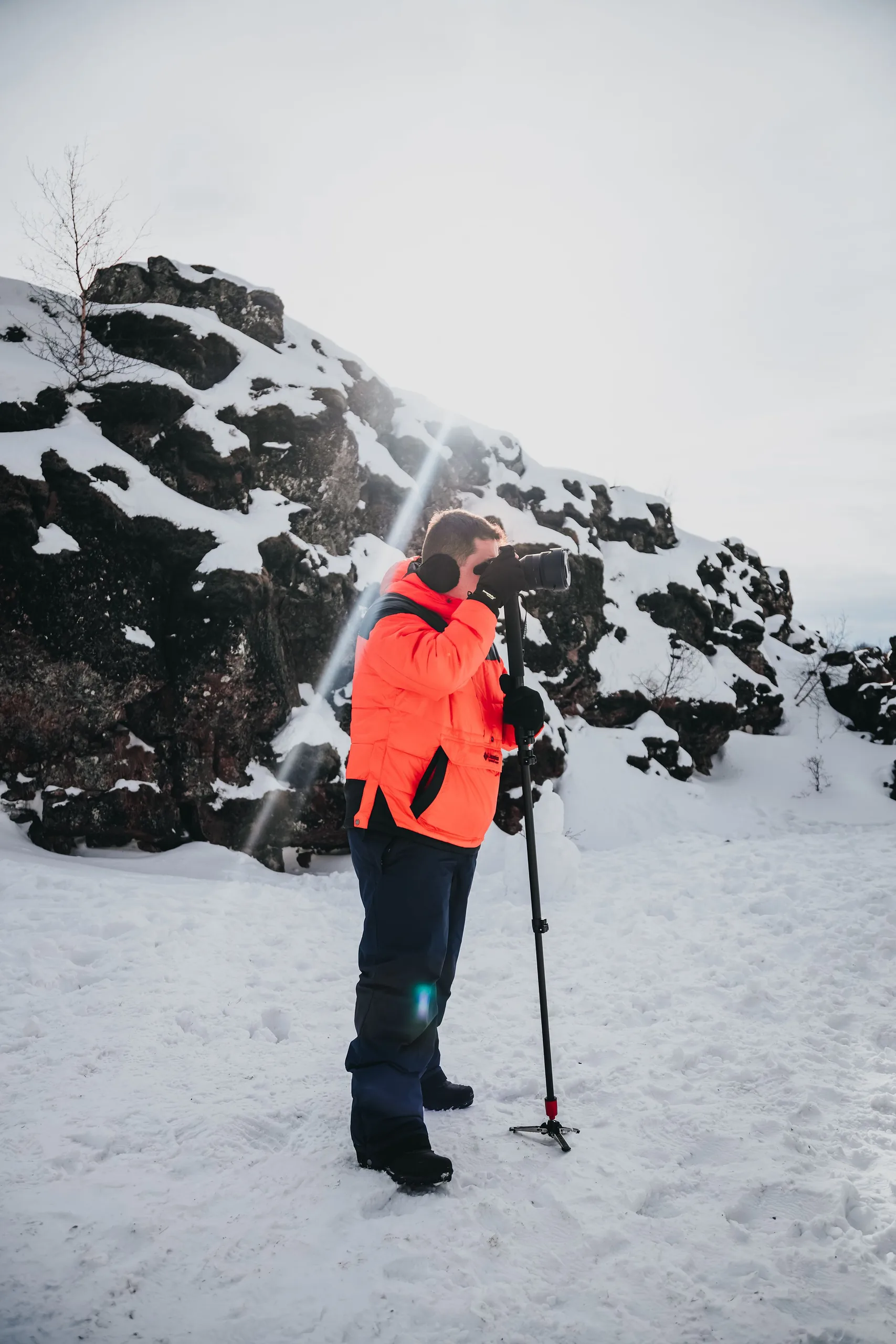
Evenings are the camera. Tripod, manual, long exposures, and someone next to you who does this professionally rather than as a sideline. The equipment comes with the guiding — you do not need to own anything, and if you do own something you will finally find out what it can do.
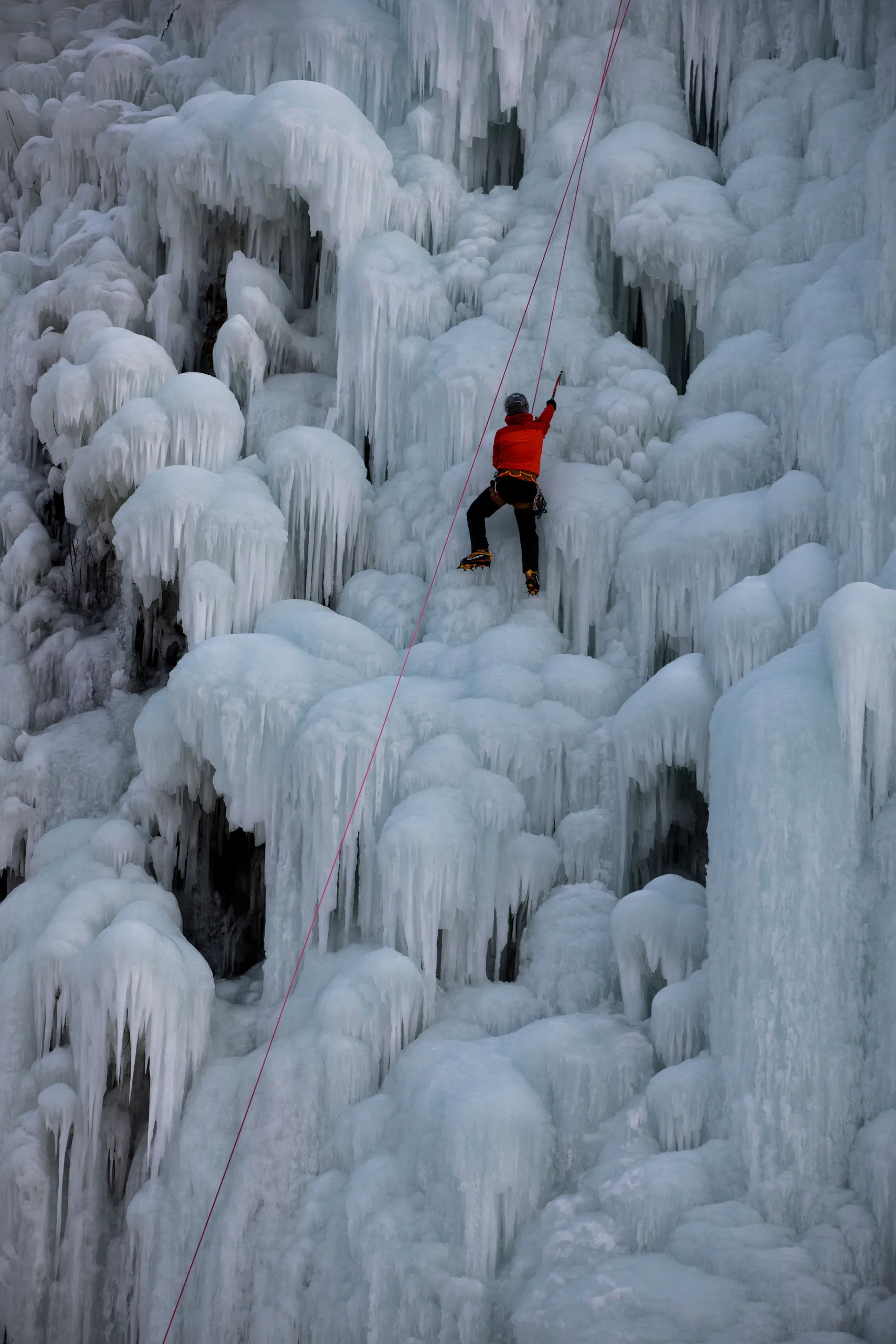
The frozen fall
Climbing ice by headlamp
One of the middle days goes to ice climbing, and it belongs in this journey rather than in a list of activities because of the hour. There is no advantage to going in the morning when the morning is the same as the evening. So you go when it suits, on a local fall, with boots, crampons, harness and helmet provided and no previous experience assumed.
It is three hours of being taught properly and then allowed to try repeatedly, which is the right shape for a thing most people do once. The climbing is genuinely beginner-level. What makes it strange is the light: a circle of headlamp on blue ice, and complete black past the edge of it.
The other day is left open. In this fortnight that is not laziness — four hours of usable light means one thing per day is honestly all there is, and a journey that pretends otherwise is selling you a schedule instead of a place.
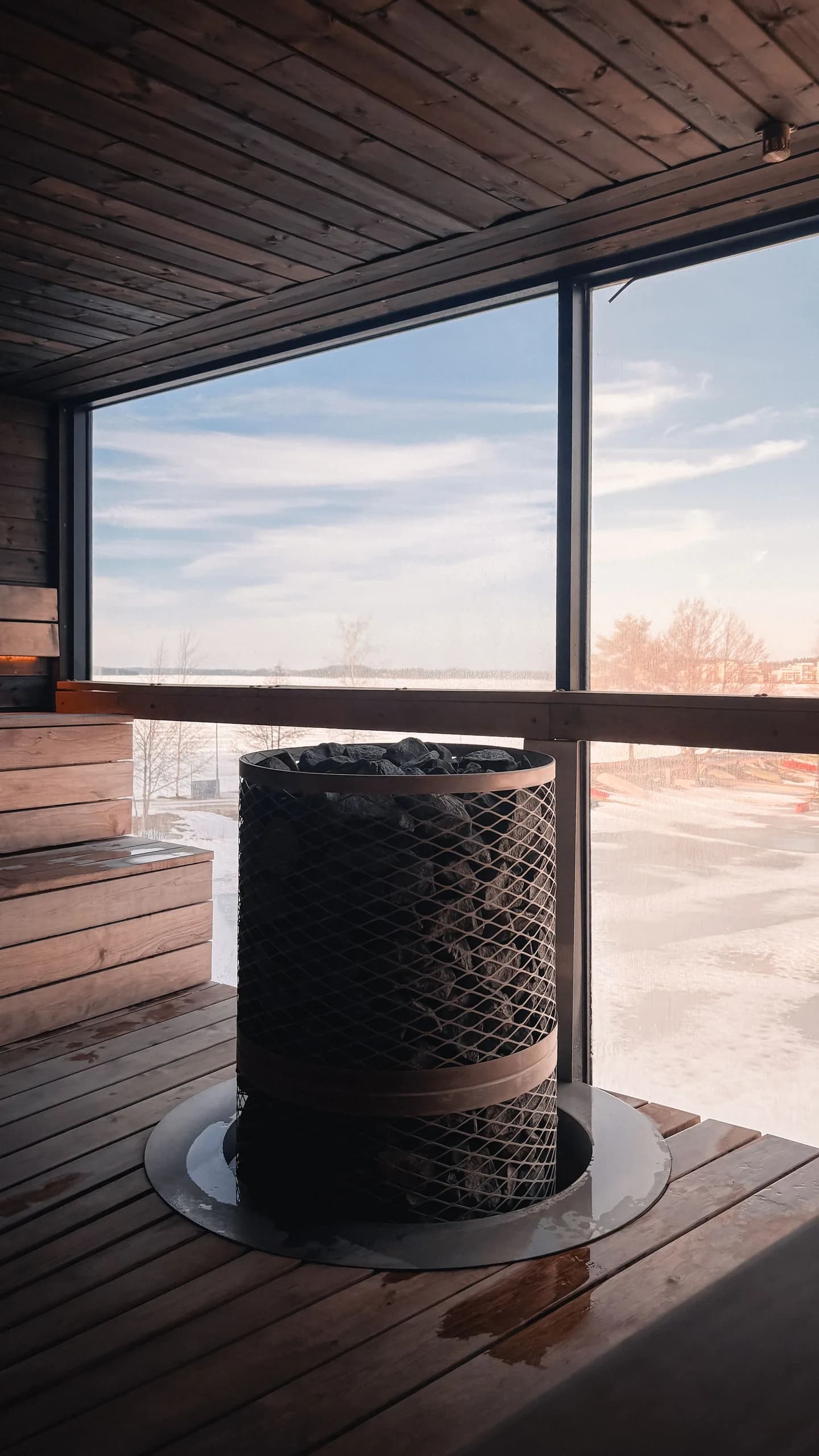
Above the lake
A hot room with no clock in it
The last evening is a snowmobile out of the valley after dark to a wood-heated sauna above the ice, glass on three sides, nothing behind it for a long way. Nobody else is booked and the guide who brought you does not come in.
It is the right ending for this particular week because it is the one place where losing track of the time is the intended outcome rather than a side effect. Three hours, a hot room, a window with the sky in it, and intervals of standing in the snow outside checking whether anything has started.
Then the flight south, and a sunrise, which after five days is a genuinely odd thing to be handed back.
Before you ask
Anything not answered here, ask us directly — we'd rather you did.
Is the whole trip in the dark? That sounds bleak.
It is dark for most of it, and for some people that is genuinely not enjoyable — we would rather you decided that now than on day two. What we would say is that it is not black. The middle of the day is several hours of blue light bright enough to walk and photograph in, and the snow returns far more of it than people expect. If low light affects your mood, this is the wrong journey and One Hundred Winters in February is the right one, with the same valley and eight hours of daylight.
Will we see the aurora?
Probably, because you are in the valley with the most reliably open sky in the country during the darkest weeks of the year, and every evening here is a viable one. But this is the one journey we sell where we are not going to lead with that. The aurora is a bonus on top of the subject rather than the subject, which is why the week does not collapse if the sky stays shut — the blue hours, the climbing and the sauna all happen regardless.
Do I need my own camera or any experience?
Neither. Camera, tripod and headlamp are provided, and the guiding assumes you have never shot in manual. Bring an SD card and gloves you can operate a dial in. If you do have your own body and a fast wide lens, bring it — you will get more out of the three evenings than you would from a loan, and the guide will work to what you have rather than to a script.
Why only December? Would January not do?
The first days of January are on the edge of it, and after that the sun starts coming back and the whole premise dissolves. The polar night here runs roughly a month around the solstice, and the effect this journey is built on — a day with no sunrise at all — only exists inside it. We would rather move your dates than sell you the same five nights in late January with a low sun in the sky, because then it is simply a short winter week.
Is it suitable for children?
Honestly, no, and we would say so before taking a booking. The ice climbing has a minimum age of ten, the days are short, and a fortnight with no sunrise is hard on small people in a way that is difficult to predict in advance. The Road West is the family version of this region and it is a much better week for it.
Ready when you are
Make it yours
Tell us roughly when you'd like to travel and who's coming, and we'll shape this into something built around you. One conversation is all it takes to start.