Swedish Lapland
Jokkmokk
The cultural heart of Sápmi, on the edge of Europe's last great wilderness.
Region
Swedish Lapland
Best season
Feb, Jun – Aug
Best for
Culture-led travellers
About Jokkmokk
The gateway to Laponia, one of Europe's last true wildernesses, and the cultural heart of Sápmi — Sweden's indigenous Sámi homeland. Winter brings the centuries-old Jokkmokk market; summer opens the high fells to walking under a sun that barely sets.
Getting there
Fly to Luleå and drive inland, or come via Gällivare. It is a longer transfer than the Kiruna destinations, and the drive is part of what puts you somewhere genuinely remote.
What to see and do in Jokkmokk
The February market
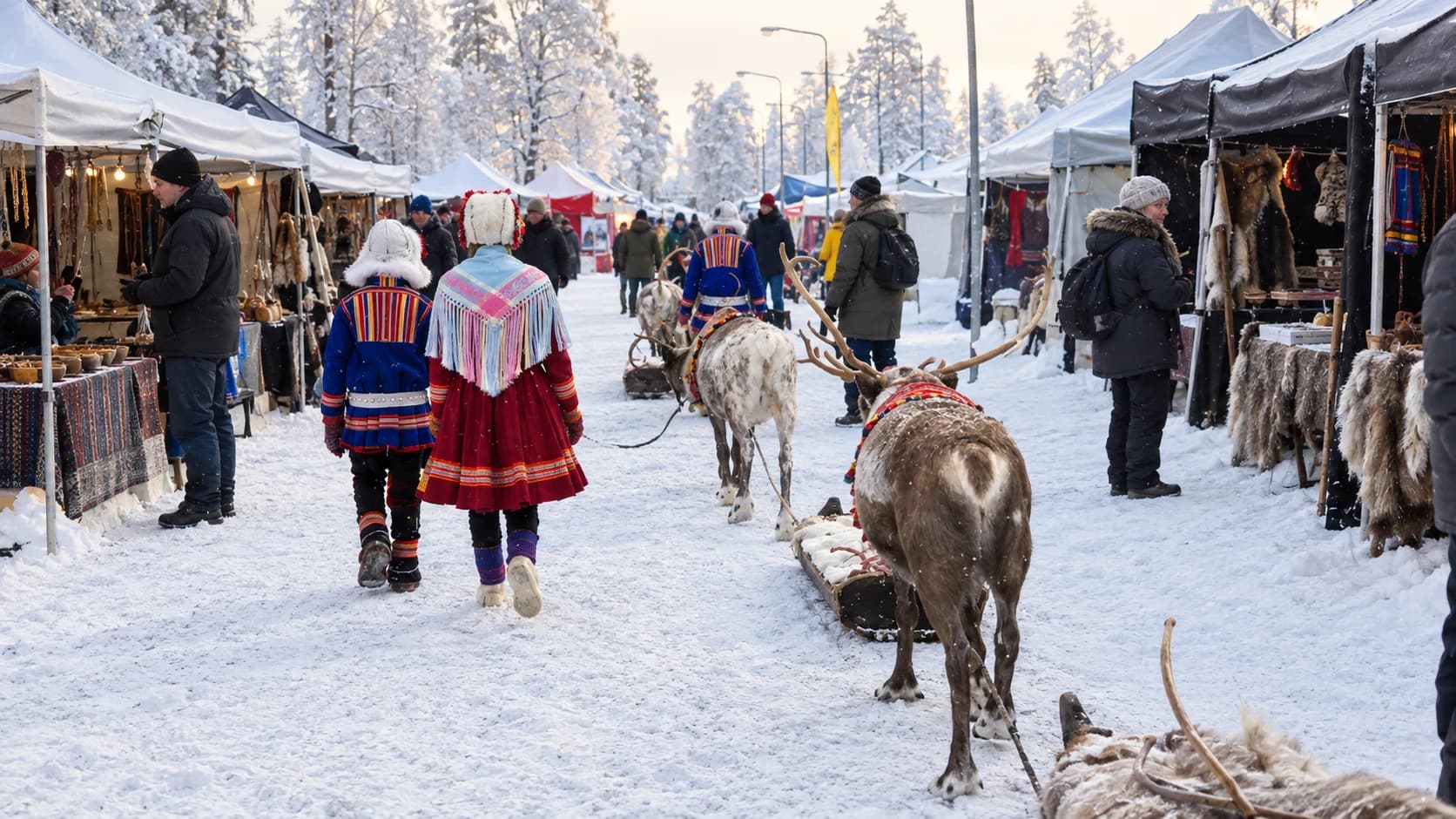
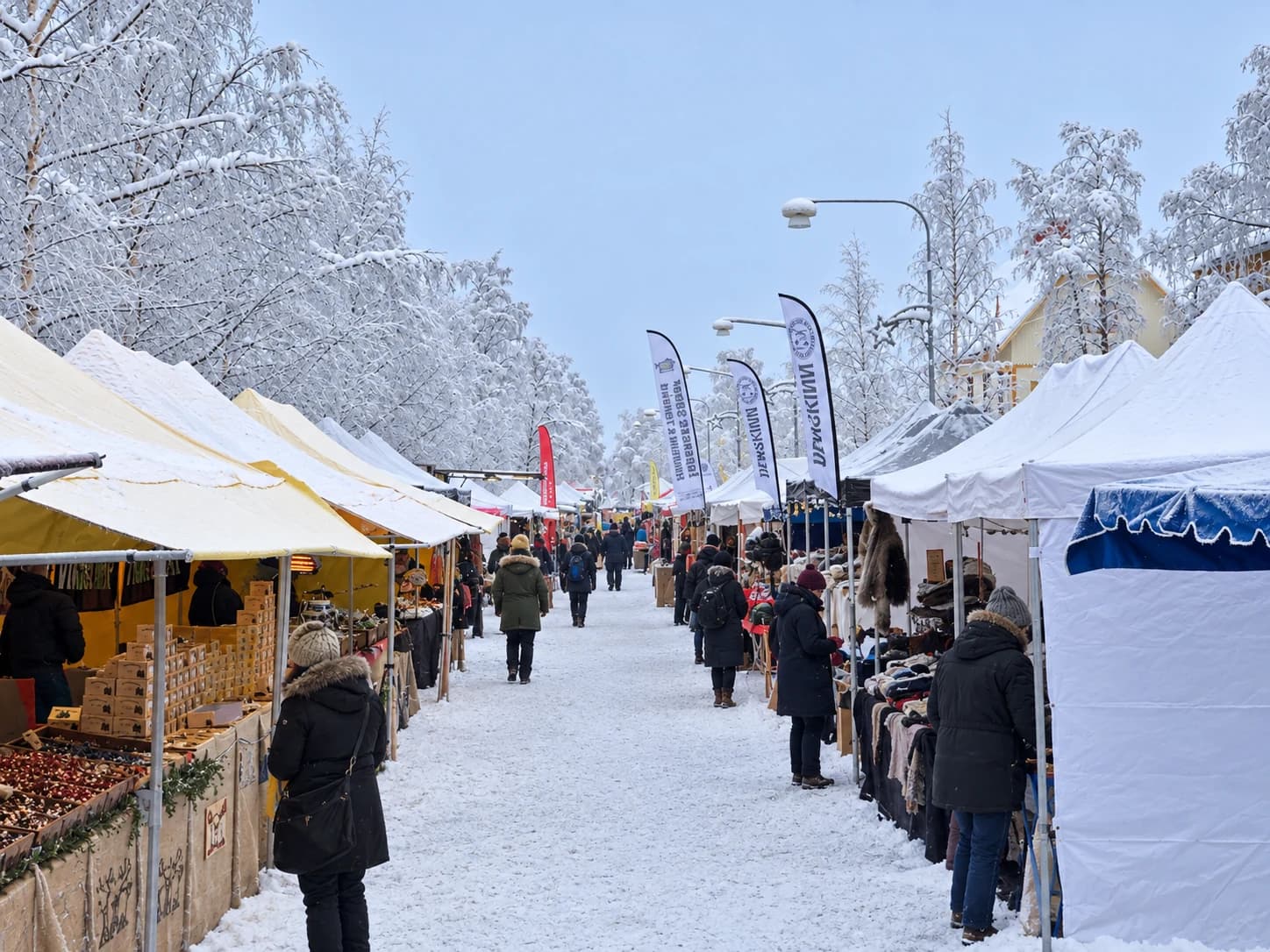
Held every year since the early 1600s, in the first week of February. It is a working Sámi gathering that happens to be open to visitors, not an event staged for them — and it books out a year ahead.
Into Laponia
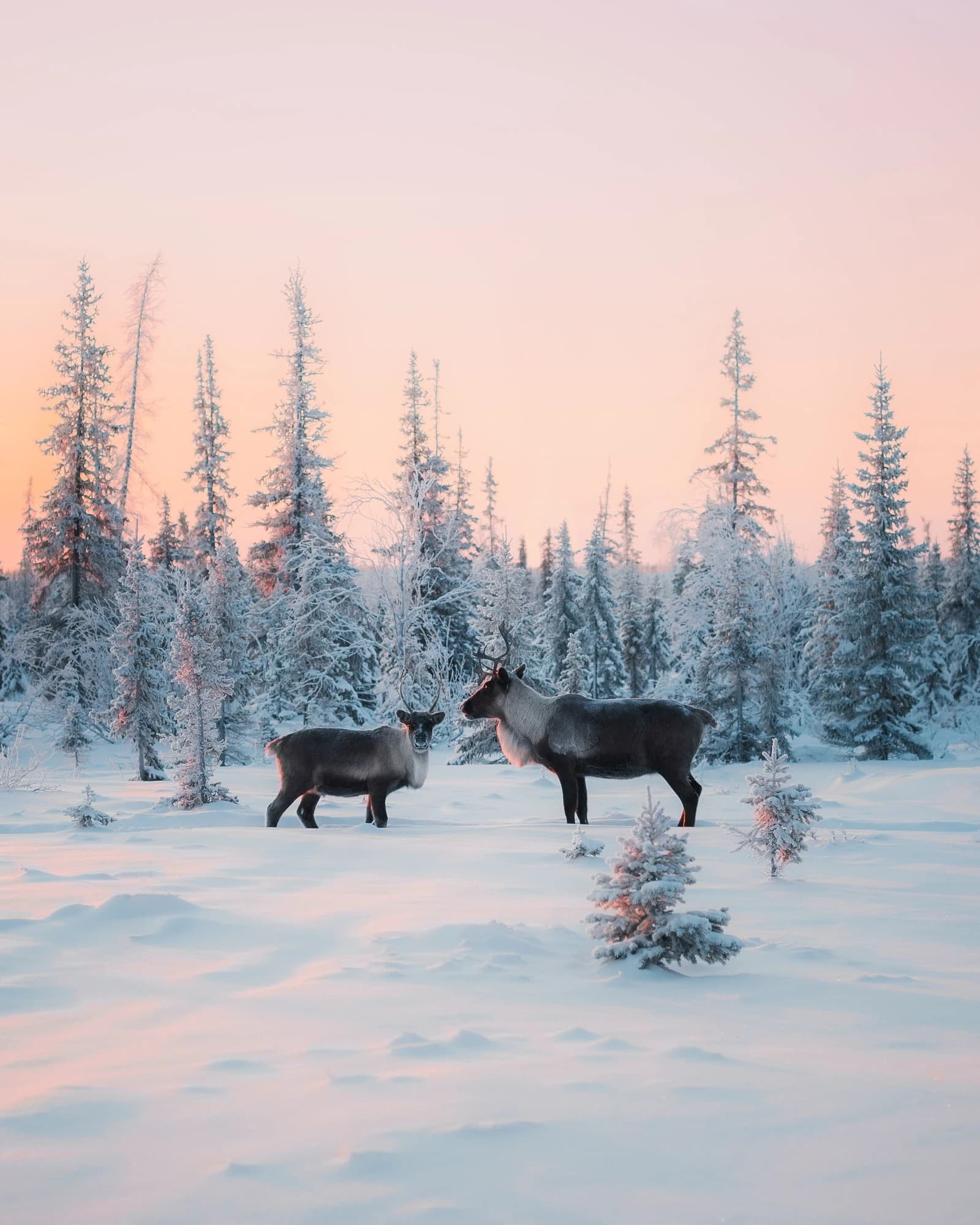
A UNESCO World Heritage site the size of a small country, and one of the last places in Europe where a reindeer-herding culture still moves across its own land. Guided, and worth the guide.
Cross the Arctic Circle on foot
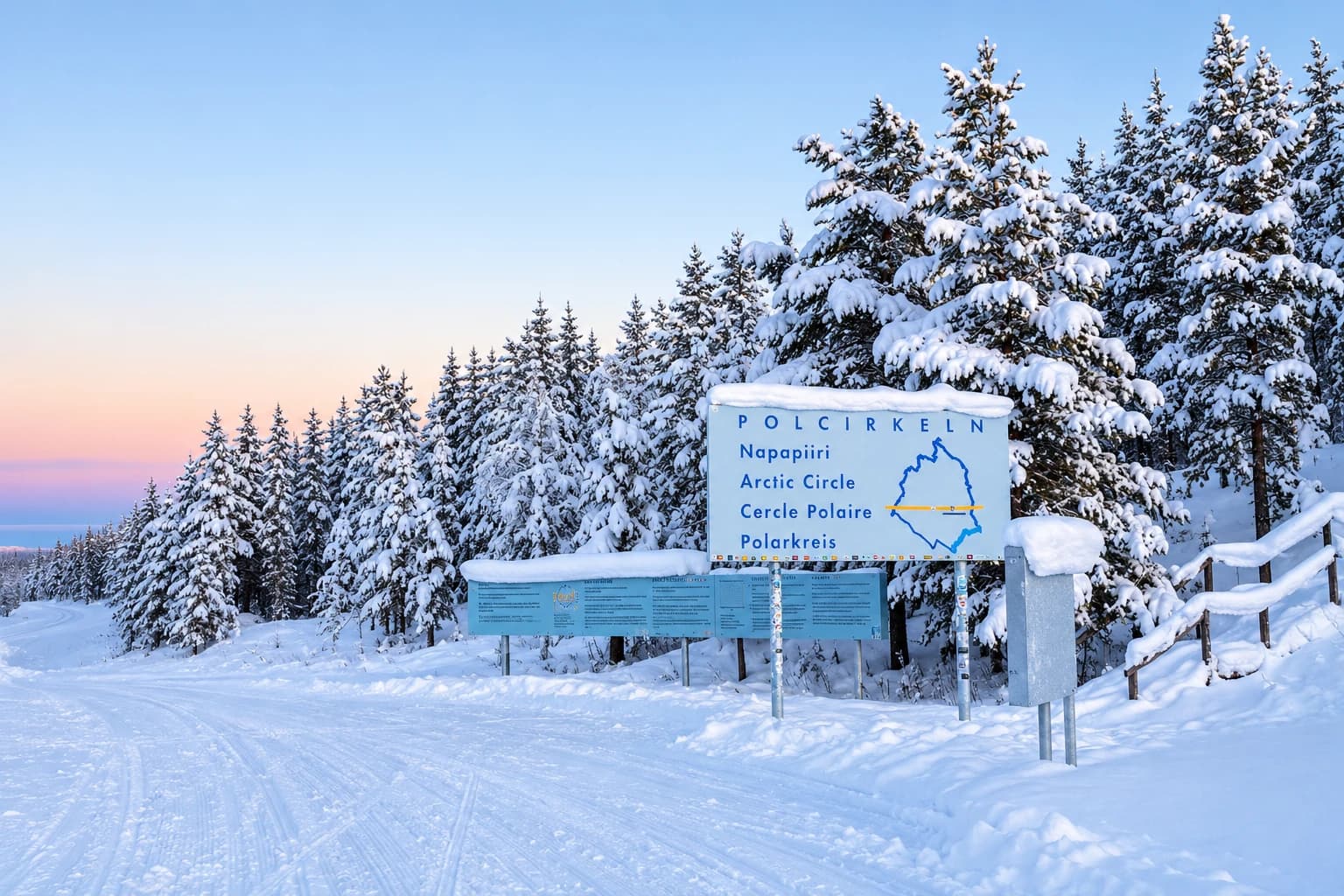
It runs directly through the municipality. A small thing, and people still want the photograph.
Arrange My Trip
When to go to Jokkmokk
Market week
Early February
The single busiest week of the Lapland year. Extraordinary, and it needs booking a long way ahead.
Midnight sun
June – August
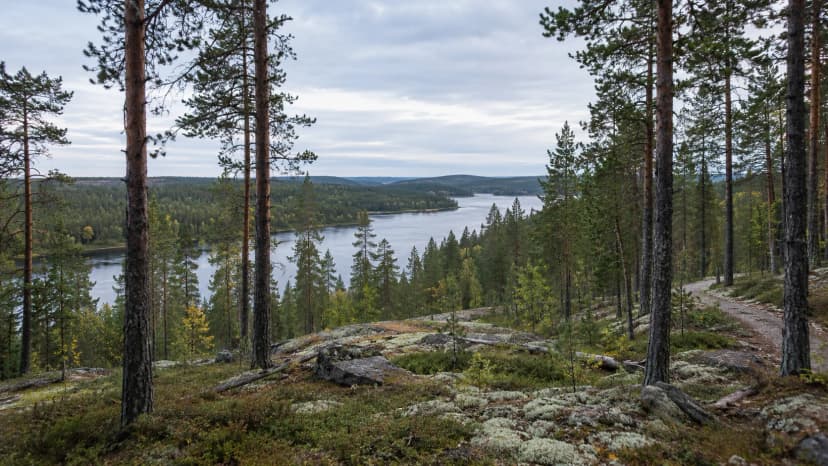
The high fells open, the sun barely sets, and the walking is some of the best in Sweden.
Autumn
September – October
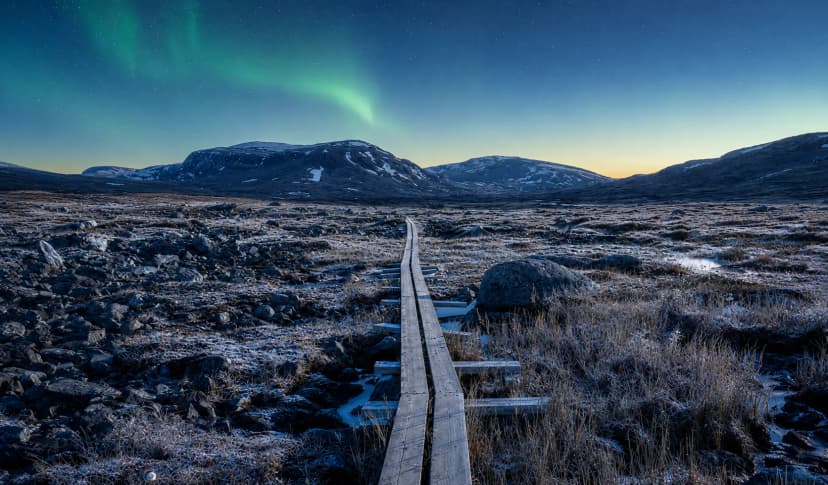
The fells turn colour, the first aurora of the season arrives, and the region is close to empty. The most underrated window here.
Journeys through Swedish Lapland
All journeys
Jokkmokk: common questions
Anything not answered here, ask us directly — we'd rather you did.
What is the Jokkmokk market?
A Sámi winter market held in the first week of February, running in some form since 1605. It is part trade fair, part reunion, part cultural festival, and it remains a genuine gathering for the Sámi community rather than a performance for visitors. Accommodation across the whole region sells out roughly a year in advance, so it is the one trip we ask people to commit to unusually early.
Is it better to come in winter or summer?
They are different trips. Winter means the market, snow, and aurora, with very short days. Summer means near-continuous daylight, walking in Laponia, and a landscape most visitors never see because they only associate Lapland with snow. If the culture is what draws you, come in February. If the wilderness is, come in July.
Can you see the northern lights in Jokkmokk?
Yes. The Arctic Circle runs through the municipality, and the aurora season here runs from roughly late September to March. The advantage over the better-known Lapland bases is emptiness — you can be well away from any light at all within minutes of leaving the town. The trade-off is cloud: this is not a rain-shadow valley like Abisko, so we would give it extra nights rather than rely on a single evening.
Ready when you are
Travel to Jokkmokk
Every journey we design starts with one conversation. Tell us roughly when you'd like to travel and who's coming, and we'll take it from there.