



A CalenVoy guide
Midnight Sun
in SwedenWhen and where to see it
The dates place by place for 2027, where the sun genuinely stays up and where it only nearly does, and how many nights to give the weather.
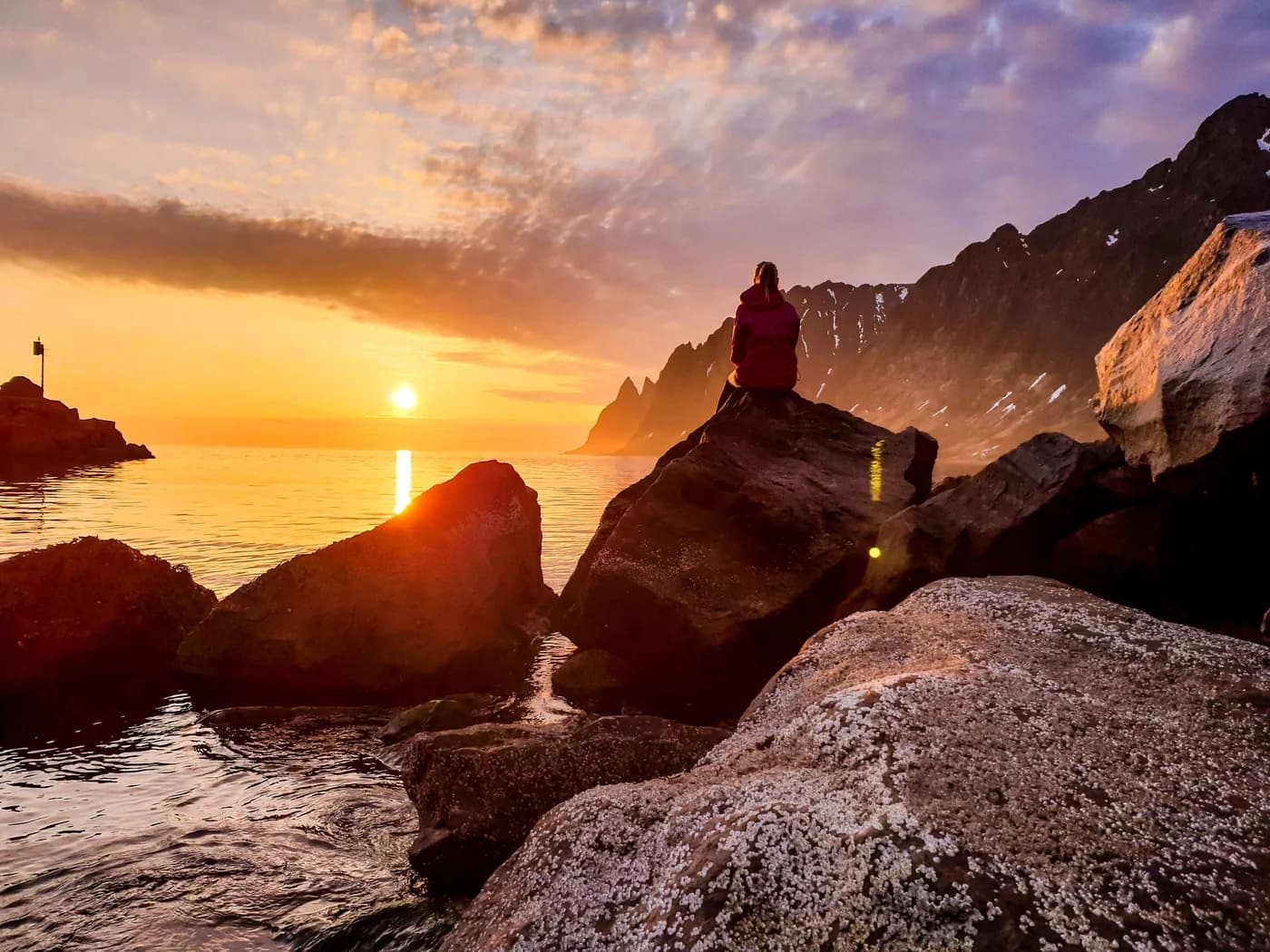
At midnight in late June the sun sits less than two degrees above the horizon at Abisko. It does not hang overhead. It rolls along the north.

Updated · 12 min read
The short answer
June to mid-July,
in Abisko or Kiruna,
for three nights
The midnight sun is a far-northern thing. In 2027 the whole sun stays above a level horizon from 29 May to 17 July at Abisko and from 1 June to 14 July at Kiruna; the surest weeks for both are 10 June to 5 July. Further south the window shortens fast, and from Luleå southwards you get bright nights rather than a sun that stays up. Stockholm's sun sets. Give it three nights in one northern base, because cloud decides more midnights than the calendar does.
Around the solstice the sun's centre bottoms out at about 1.8° above the horizon at Abisko and 1.3° at Kiruna, at about quarter to one in the morning.
Low, not high
That is why the light at midnight is long, warm and sideways, and why a hill, a building or a line of birch can hide it completely.
A clear view to the north matters more than anything else: across Torneträsk, or up on the fell.
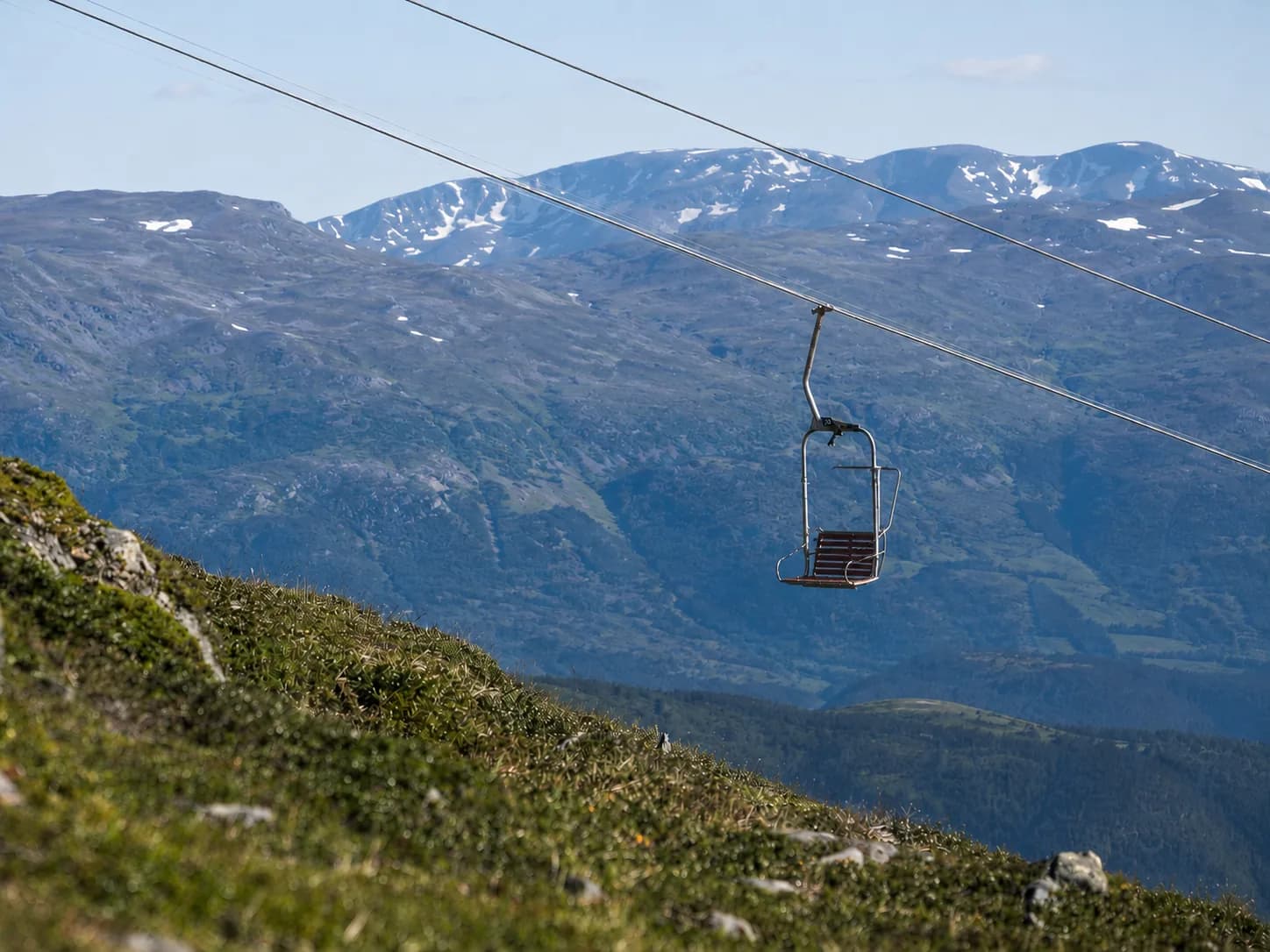
The Aurora Sky Station chairlift on Nuolja has run summer evenings to half past one. Its 2027 dates are not yet published.
What counts as the midnight sun
SMHI, the Swedish weather service, defines it simply: the sun stays above the horizon for the whole day. The catch is what “above” means. The air bends sunlight over the horizon, so the sun looks higher than it is, and it is a disc rather than a point. Tourism pages usually count the days when any part of the sun is still showing. We use the stricter test in this guide: the whole disc clear of a level horizon.
That is why published dates disagree. For Abisko, the any-part count runs from about 26 May to 20 July in 2027; the whole-disc count runs from 29 May to 17 July. Neither is wrong. They answer different questions, and both should be read as plus or minus a day, because the air at high latitude does not behave to the minute.
Where it happens, and where it nearly does
The further north, the longer it lasts. Treriksröset, where Sweden, Norway and Finland meet, has the longest window: 25 May to 21 July. Abisko and Karesuando follow, then Kiruna and Jukkasjärvi from 1 June to 14 July, Gällivare from 7 June to 8 July, and Jokkmokk and the Arctic Circle crossing on the E45 for just 13 June to 2 July.
South of that, it becomes a matter of definition. At Harads, home of the Treehotel, a sliver of sun can stay up for a few nights on a perfect horizon, but never the whole disc, and the forest usually takes even that. At Haparanda a sliver is possible for about ten days around the solstice. Luleå and Arvidsjaur, on a level horizon, get nothing at all. What they get instead is a night that never properly darkens, which is lovely, and not the same thing.
The midnight sun is not a sun overhead. It is a sun that refuses to leave the northern horizon.
What Stockholm gets instead
On Midsummer Eve 2027 the sun sets in Stockholm at 22:08 and rises at 03:31. In between, the sky passes through twilight and never reaches true darkness, which is why people swear the sun never sets. It does. Gothenburg and Malmö are the same, a little earlier and a little darker. Swedes call these ljusa nätter, bright nights. They are one of the best reasons to be in the south in June, and they are not the midnight sun.
The weather decides
The sun is up whatever the sky is doing. What you see depends on cloud, and cloud is the honest risk. SMHI publishes no long-term figure for clear midnights at Abisko or Kiruna. A short recent record from the Abisko station, 2019 to 2025, found the sky mostly clear at one in the morning on about three observations in ten, and mostly cloudy on about six. That is a small sample, not a promise, and cloudy nights come in runs.
Abisko's rain shadow is still a real advantage. On SMHI's 1991–2020 normals it gets about half Kiruna's June rainfall, 34.5 mm against 66.1. June is also cooler and drier than July in both places. None of that turns into a percentage chance of a clear northern horizon, which is why the answer to “how many nights” is about buffers, not odds.
Mosquitoes, snow and sleep
Mosquitoes arrive with the melt and peak in July, worst in sheltered forest, bogs and still water, easier on windy ridges and open shores. Nobody honest calls anywhere up here mosquito-free in July: bring repellent and a head net. In June the high ground still carries snow, streams run full, and the mountain cabins only open around Midsummer, so early June is better for light and valley walks than for a long trek on the Kungsleden.
The light takes a few days to get used to. Ask for a room with real blackout curtains rather than assuming it, pack an eye mask, and keep a normal bedtime on the nights you are not out watching.
Midsummer is not the midnight sun
Midsummer is a holiday, celebrated the length of the country on the Friday between 19 and 25 June: 25 June in 2027. The midnight sun is an astronomical fact that only the north has. In the north the two coincide, which is wonderful if you plan for it, and awkward if you do not: shops close, the roads fill the evening before, and guides and restaurants are booked. Treat 24 to 26 June as dates to arrange well ahead, or to avoid.
Reindeer, and the herders' summer
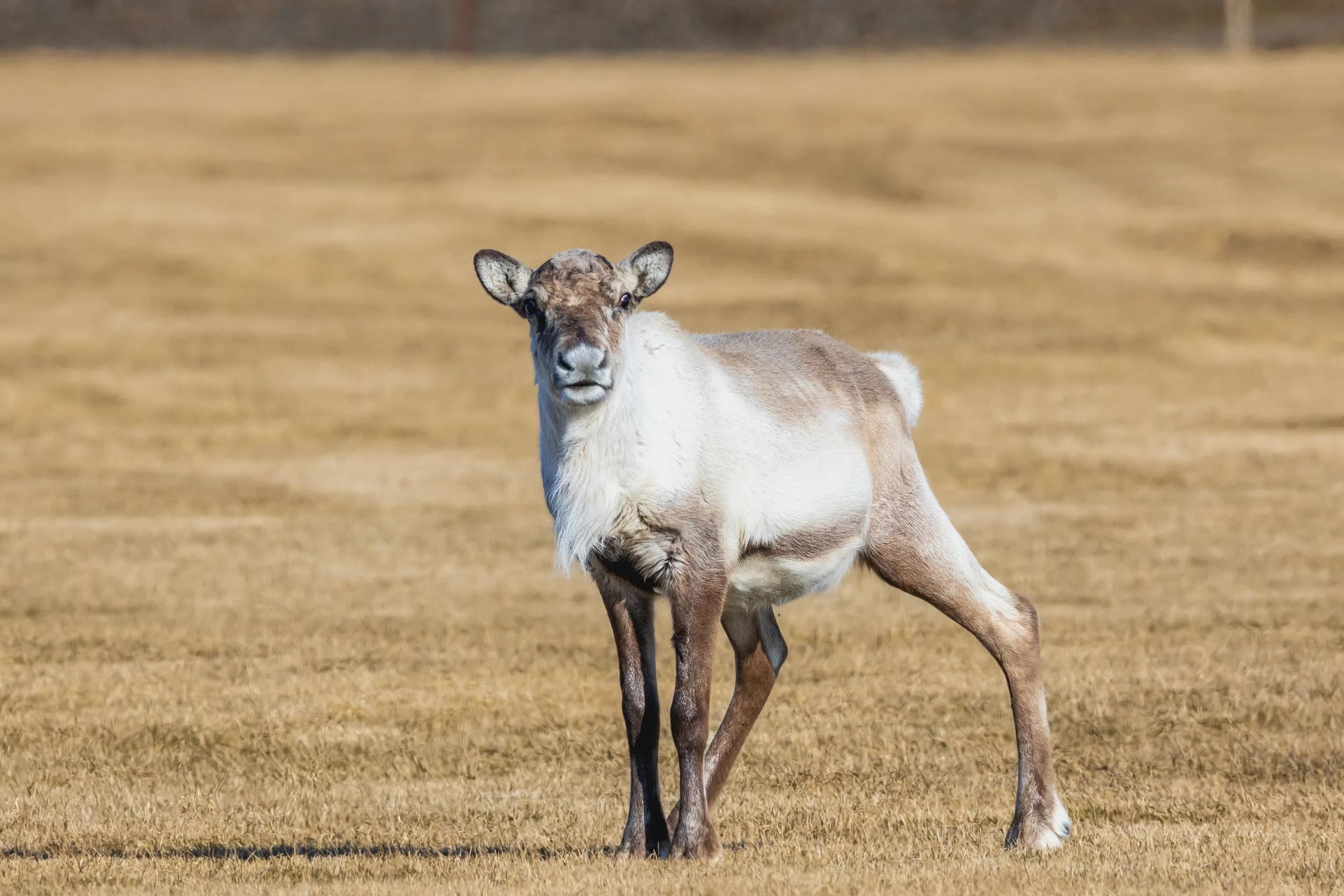
Late June and July are when Sámi herders gather their reindeer to mark the new calves, often through the light night when it is cooler. It is working time, not a show, and the animals are easily split or stressed by strangers and dogs. You go only by invitation, through the herding family, on their terms, and accept that it can be cancelled on the day. That is how our calf marking evening works.
Getting there
Stockholm to Kiruna is about an hour and thirty-five minutes in the air; Stockholm to Luleå about an hour and twenty. Abisko is 93 kilometres from Kiruna, a little over an hour by road. SJ's night train from Stockholm reached Abisko Turiststation in just under seventeen hours on the 2026 summer timetable, with a change at Boden. The 2027 timetables are not out yet, so check the train and any track works before you commit.
Place by place, 2027
When the whole sun stays above a level horizon. Most tourism pages count any part of the sun, so their dates run a few days wider.
- TreriksrösetLongest25 May – 21 July. Remote: usually reached through Kilpisjärvi in Finland.
- AbiskoOur pick29 May – 17 July. Open views over Torneträsk, a chairlift up Nuolja, and the national park at the door.
- KaresuandoFar north29 May – 17 July. Forest and low hills can hide the lowest sun near the edges of the window.
- Kiruna · JukkasjärviEasiest1 June – 14 July. The airport, the Torne river and ICEHOTEL 365. Find an open view to the north.
- GällivareShort7 June – 8 July. Dundret, the fell above town, gives the open horizon the town itself lacks.
- JokkmokkShortest13 June – 2 July. On the Arctic Circle, with Laponia beyond. Trees make it demanding.
- Harads · HaparandaA sliverNever the whole sun. A sliver can stay up for a few nights around the solstice on a perfect horizon.
- Luleå · StockholmBright nightsThe sun sets. The night stays light: twilight, never real darkness, around Midsummer.
Calculated from NOAA's solar equations for 2027, whole disc above an ideal level horizon, local time; treat each date as ±1 day. Southern limits from SMHI.
Five places for
the summer light
Two where the sun genuinely stays up and the logistics are easy, one where it barely does, and two for bright nights rather than the midnight sun itself.
- Our first choice
Abisko
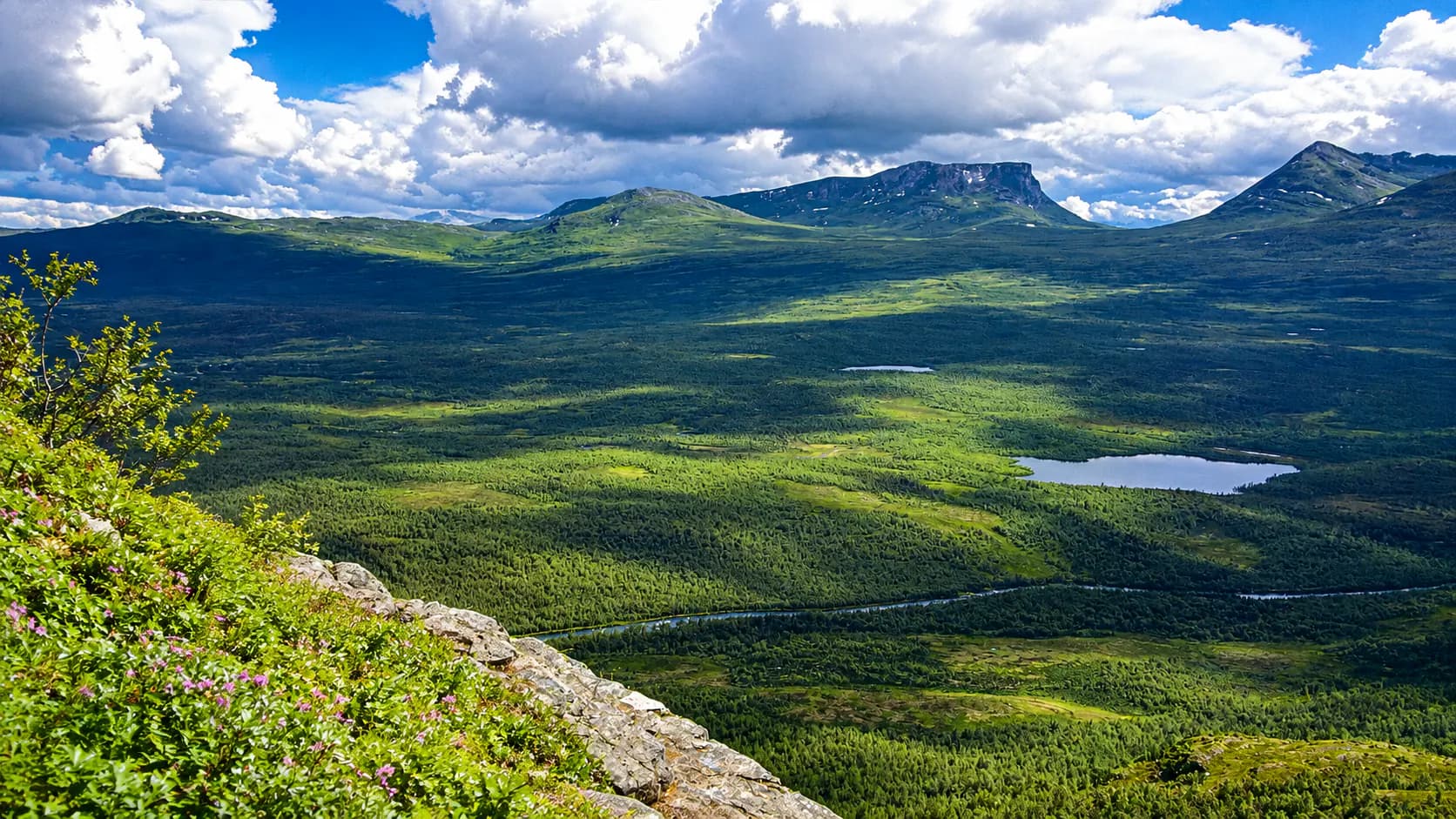
The longest easy window, the driest sky, and open views north across the lake and from the fell.
The place - Easiest to reach
Jukkasjärvi
Twenty minutes from Kiruna airport, on the Torne river. Midnight sun from 1 June to 14 July.
The place - The Arctic Circle
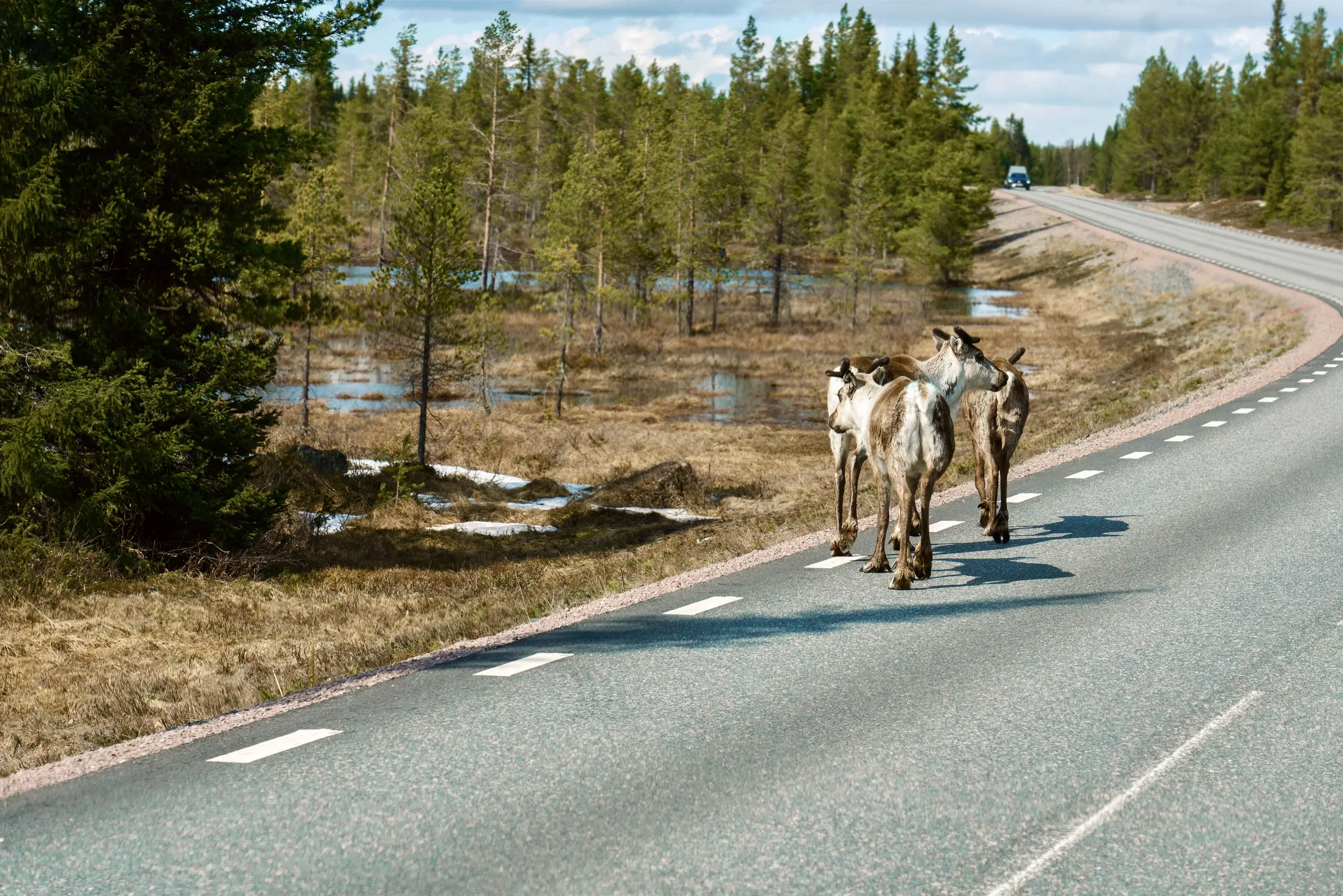
Jokkmokk
Only three weeks of the whole sun, but the doorway to Laponia and the herders' summer.
The place - Bright nights
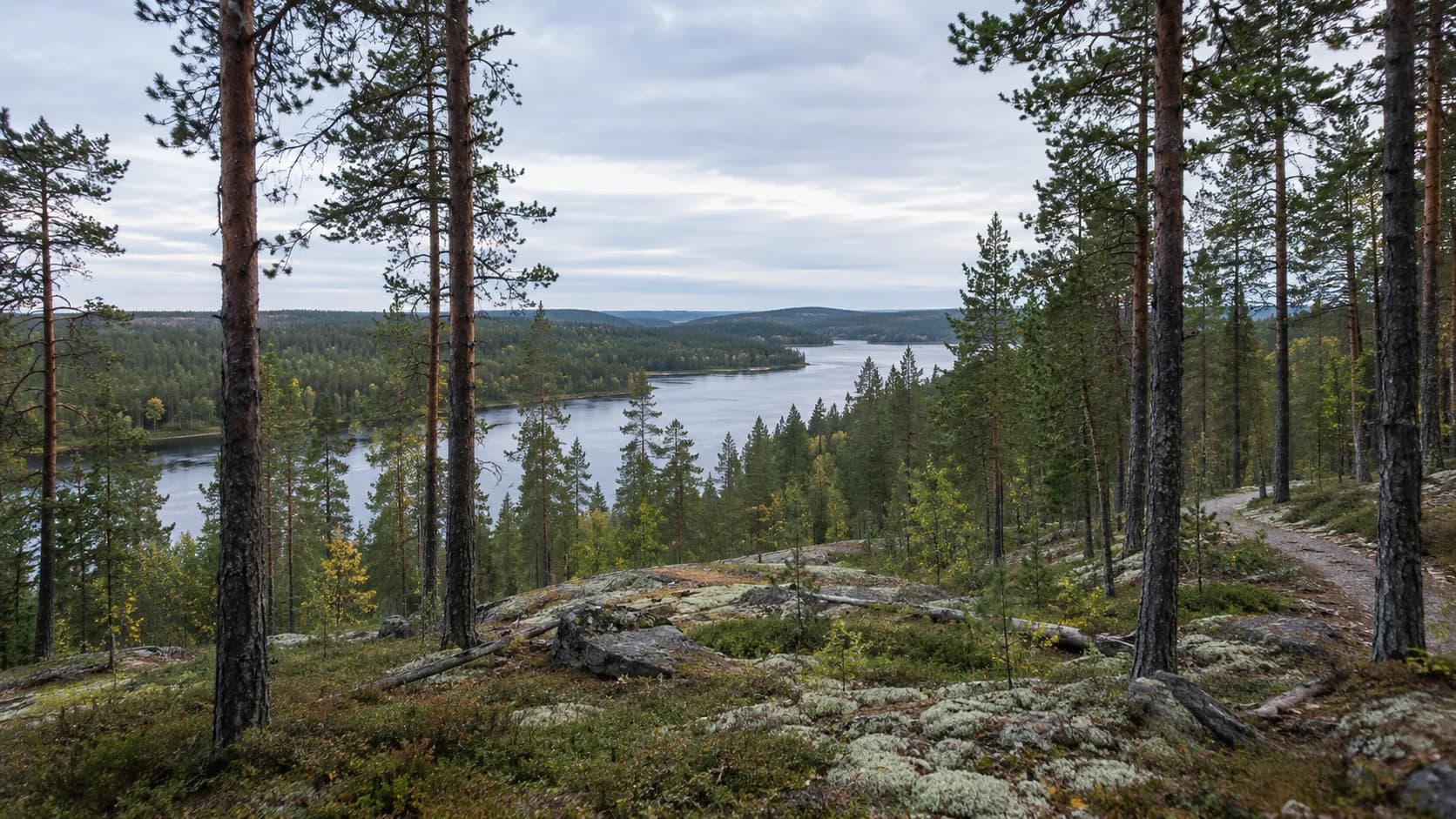
Harads
The Treehotel, in forest just south of the line. Come for the house in the trees, not for the sun at midnight.
The place - Bright nights
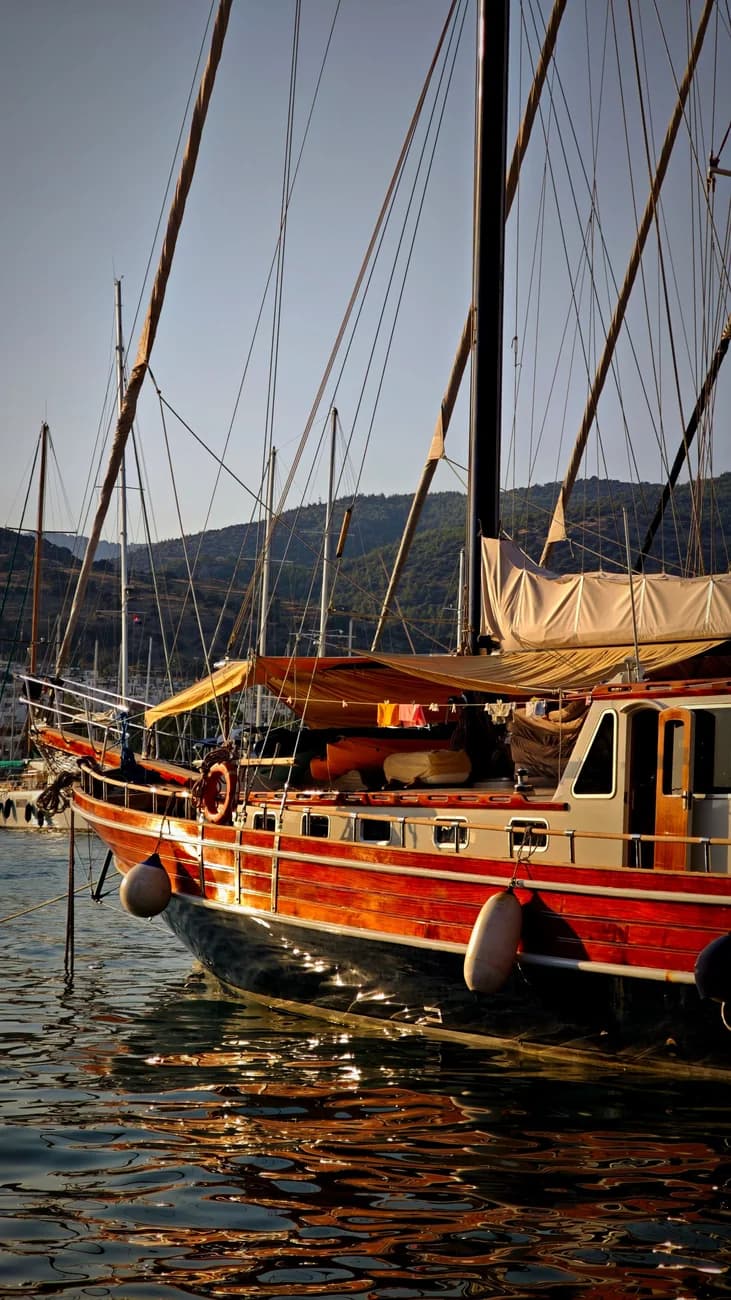
Luleå archipelago
More than 1,300 islands under a sky that barely darkens. Come for the sea, not for the sun at midnight.
The place
How many nights
to give it
Threenights, in one northern base
The sun will be there. Whether you see it depends on cloud, and cloudy nights come in runs. Three midnights give you two chances to recover from a bad one.
- One or twoFine if the north is one part of a wider trip. One weather front can take both nights.
- ThreeThe sensible minimum: three midnights and two full days for the fell, the lake or the river.
- Four to sixWorth it when the extra days earn their keep: a trek, a second base, Laponia or the herders.

Worth knowing
Six things people get wrong about the midnight sun
- “You can see it in Stockholm.”Stockholm's sun sets, at 22:08 on Midsummer Eve. What stays is twilight: bright nights, not the midnight sun.
- “It lasts all summer.”At Kiruna the whole sun stays up from about 1 June to 14 July. After that the nights are light, but the sun dips below.
- “It's always sunny at midnight.”The name describes where the sun is, not the weather. Cloud can hide it completely.
- “All of Sweden has 24-hour daylight in June.”Only the far north. The south has a sunset and a few hours of twilight.
- “Midsummer and the midnight sun are the same.”Midsummer is a holiday the whole country keeps. The midnight sun is astronomy, and only the north has it.
- “The sun is overhead at midnight.”At Abisko its centre drops to about 1.8° above the horizon. It rolls along the north, low and gold.
What to bring
- A waterproof jacket and trousers
- A warm mid-layer, hat and thin gloves, even in July
- Waterproof boots and spare socks
- Repellent and a head net
- An eye mask, and earplugs for cabins
- Sunglasses and high-factor sun cream: the low sun dazzles for hours
- An offline map and a power bank; signal is patchy on the trails
Questions
Does the sun really never set in Stockholm?
It does set: on Midsummer Eve 2027 at 22:08, rising again at 03:31. The sky never gets properly dark in between, which is why it feels as if it never sets. For the real midnight sun you need to go north of the Arctic Circle.
Where is the furthest south I can see the midnight sun?
It depends on how you count. A sliver of sun can stay up as far south as Haparanda for a few nights around the solstice. For the whole sun above a level horizon you need to be at roughly Jokkmokk or further north, and even there it lasts only about three weeks.
Abisko or Kiruna?
Abisko for the view and the drier sky: open horizons over the lake and the fell, and the national park on the doorstep. Kiruna for flights and services, with Jukkasjärvi and ICEHOTEL 365 twenty minutes away. They are 93 km apart, so many trips use both.
Can I still see it in late July or August?
Not at Abisko or Kiruna after mid-July. Treriksröset holds on until about 21 July. After that the evenings stay long and light, and real darkness returns through August.
Is it guaranteed to be clear at midnight?
No. The sun is up whatever the weather, but cloud can hide it, and there is no official long-term figure for clear midnights. That is why we plan three nights rather than one.
How many nights do I need?
Three in one northern base. One night is a gamble. More than three is worth it when the extra days have their own purpose, such as walking, a second base or time with Sámi hosts.
How do people sleep when it never gets dark?
Blackout curtains, an eye mask and a normal bedtime. Rooms vary, especially cabins, so ask the property to confirm the curtains before you book.
How bad are the mosquitoes?
They can be fierce from late June through July in sheltered, wet forest. Wind and open, high ground help. Bring repellent and a head net rather than choosing dates on a promise of none.
Can I see the northern lights and the midnight sun on the same trip?
No. The aurora is still there in summer, but the sky is far too bright to see it. The northern lights season in Swedish Lapland runs from early September to late March.
Midnattssol: Swedish for the midnight sun. Literally, “midnight sun”, written as one word.
Sources for this guide
- SMHI — Midnight sun and polar night
- SMHI — How far south does the midnight sun reach?
- NOAA — General solar position calculations
- NOAA — Solar calculator glossary (twilight definitions)
- SMHI — Climate normals 1991–2020
- SMHI Open Data — Total cloud observations
- Visit Sweden — The midnight sun
- Kiruna Lapland — Midnight sun
- STF Aurora Sky Station — Chairlift in summer
- Sweden's National Parks — Visiting Sarek
- Sámi Parliament — Reindeer husbandry in Sweden
- Sweden.se — Swedish Midsummer
- Luleå Municipality — The archipelago
- Gällivare — Dundret
- Kiruna Lapland — Abisko
- SJ — Night train
- Dahl et al. (2004) — Snow-melt mosquitoes in the Abisko Valley
Plan a midnight sun trip.
Tell us when you can travel, and we will choose the base with the best horizon, and build the days so a cloudy night costs you nothing.