



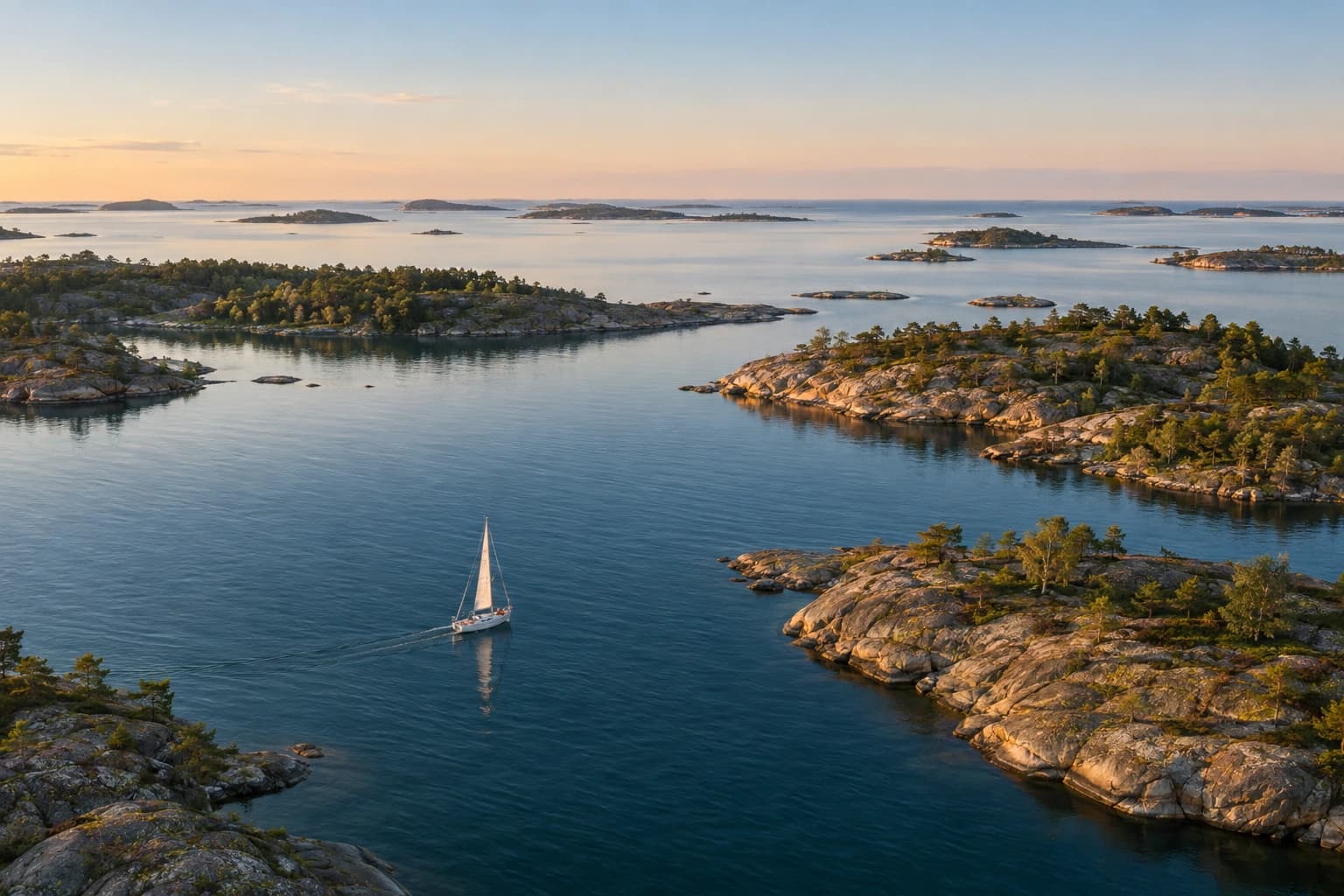
A CalenVoy guide
The Stockholm
ArchipelagoWhich islands, and how to get there
Which islands to choose, how the two boat systems work, what each month is like on the water, and the one decision that shapes the trip: where you spend the night.
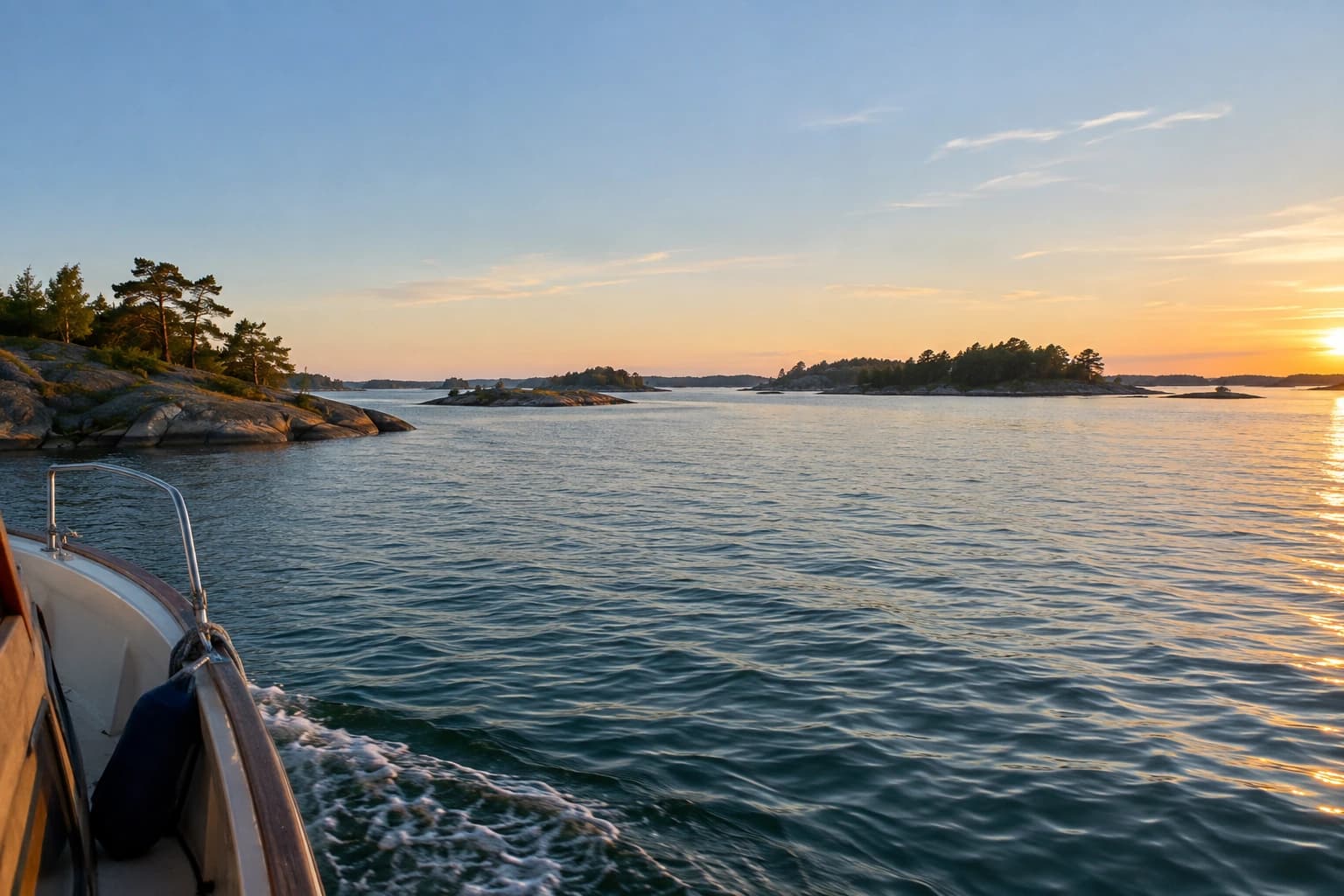
About 30,000 islands, by the official count, and the first of them is twenty minutes from the city. The boats, not the map, decide how many you will see.

Updated · 15 min read
The short answer
Grinda or Sandhamn,
in June or August,
for two days
For a first trip, give the archipelago two days and spend the night on an island. Choose Grinda for woods, swimming rocks and an old inn, about an hour and a half by boat from the city; or Sandhamn for a sailing village on the edge of the open sea, with hotels open all year, reached fastest by bus and boat via Stavsnäs. Vaxholm and Fjäderholmarna are for when you only have a day. Go between late May and mid-June, or in the second half of August, when the boats run and the water is warm, but the Swedish July holidays have not begun or are over. Add a third day for Utö, Möja or Landsort, not a second island on the same day.
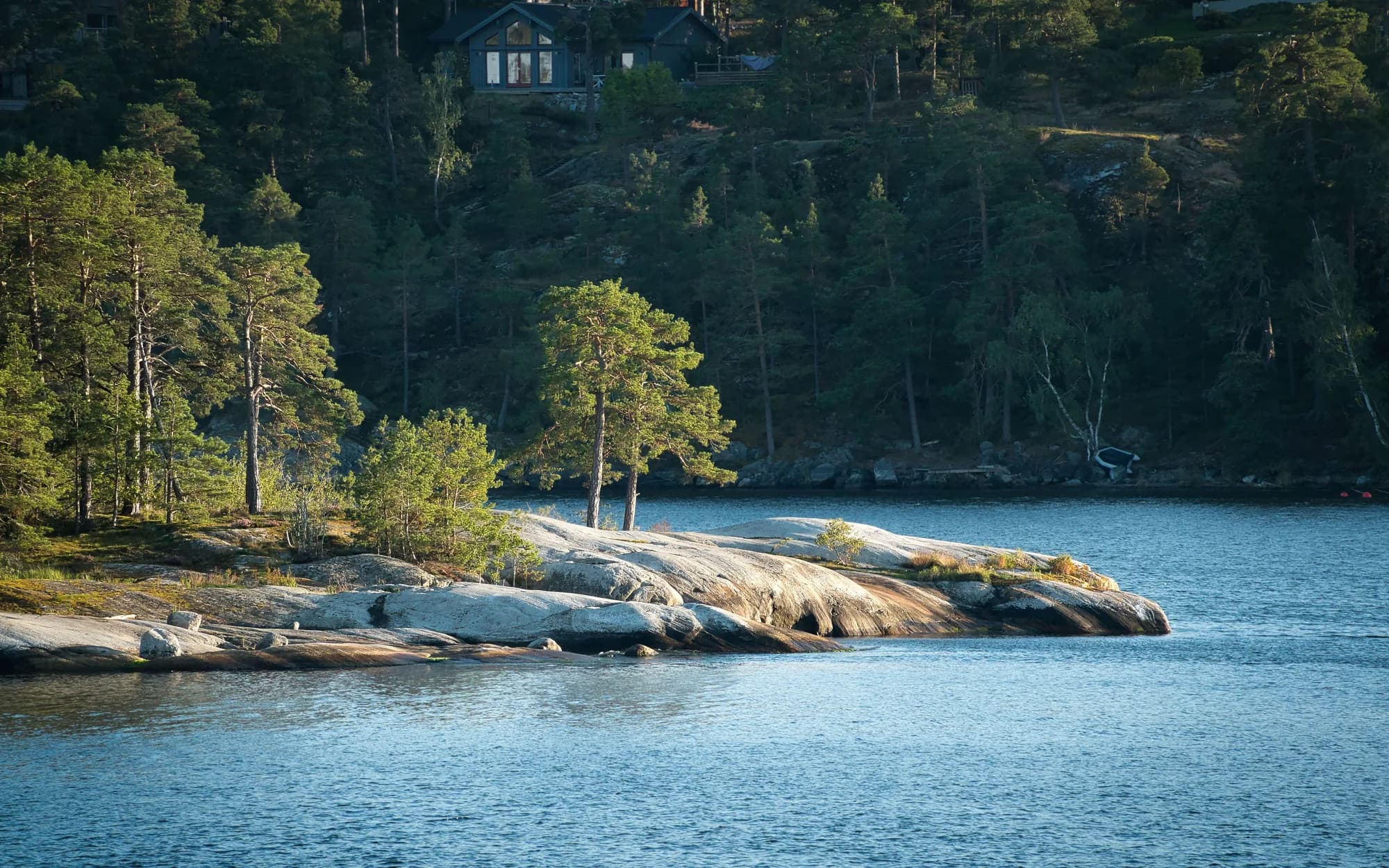
By the usual convention it begins at Fjäderholmarna, twenty minutes from the city, and ends at Svenska Högarna, out on the open Baltic.
Three archipelagos
in one
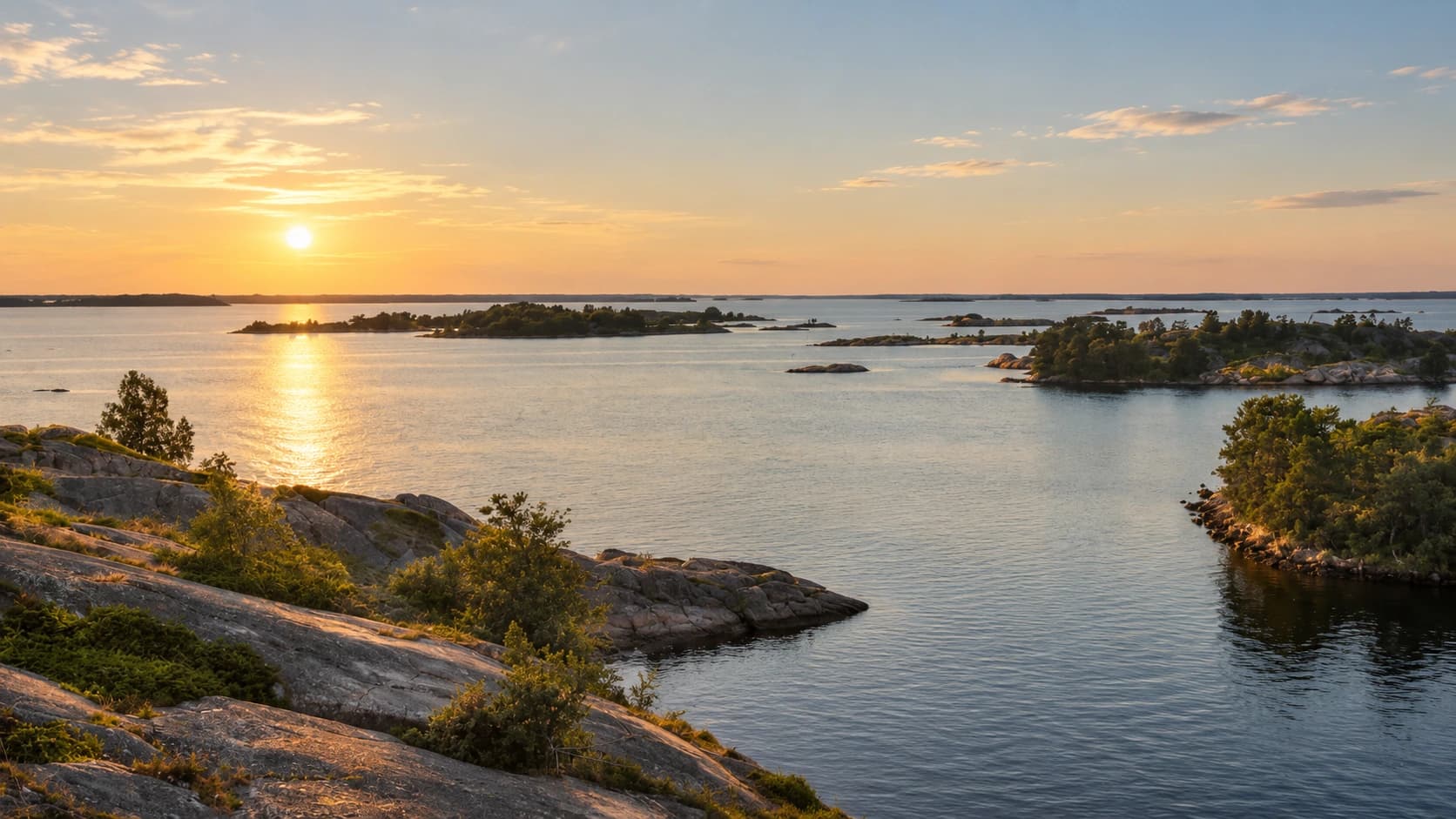
In between, the islands change as you go: wooded and built-up near the city, farmed and village-sized in the middle, bare granite at the edge.
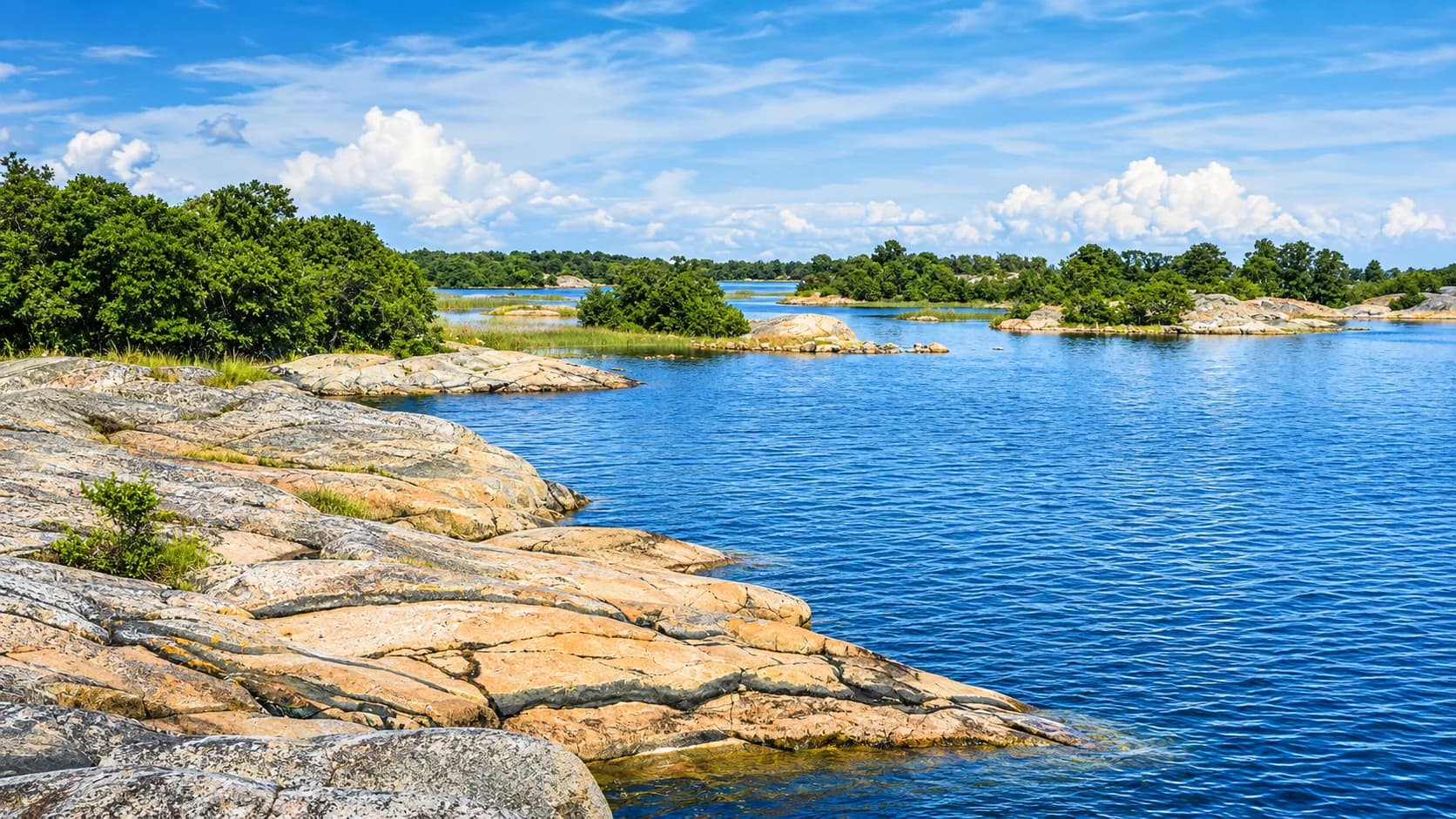
The inner islands have the most boats and the most people. The middle has the inns, the beaches and the walking.
The outer skerries have the light and the silence, and the fewest ways back. Plan them around the weather, not around a timetable alone.
How big it is, and where it starts
Visit Stockholm and Visit Sweden both put the archipelago at about 30,000 islands, islets and skerries. It is a convention, not a census. Statistics Sweden counts any island from nine square metres up, but publishes no total for a region called the Stockholm archipelago, because nobody has fixed its border. You will also read 24,000, and “more than 20,000”. None of them comes with a definition, so we use the official figure and say “about”.
What everyone agrees on is the shape. The archipelago runs from Arholma in the north to Landsort in the south, and from Fjäderholmarna out to Svenska Högarna on the open Baltic, about 80 kilometres east of the city: more than 1,680 square kilometres of land and water. It begins east of Stockholm, not inside it. Gamla stan is the city's own island, and Lake Mälaren, to the west, is other water altogether: the lake of our Vikings guide.
Thirty thousand is a convention. The number that matters is how many hours on the water each island costs you.
The boats, and how they really work
There are two systems, and most confusion comes from treating them as one. Waxholmsbolaget is the public network, owned by Region Stockholm through SL. It runs every day of the year, with around 60 boats calling at 299 piers in summer, from Strömkajen in central Stockholm and from mainland harbours such as Stavsnäs, Årsta brygga and Furusund. You do not book it. You turn up, pay on board by card or buy in the SL app, and board in the order you arrive. It is cashless.
The Cinderella boats, run by Strömma, are the faster seasonal service: one route from Strandvägen through Nacka Strand, Vaxholm, Grinda and Gällnö to Sandhamn. In 2027 they run from 30 April to 26 September, at weekends until 6 June and every day from 7 June until mid-August. They can be booked, which guarantees you a place on board, though not a seat. Published 2027 fares start at SEK 190 to Vaxholm, SEK 245 to Grinda or Gällnö and SEK 265 to Sandhamn.
Waxholmsbolaget's single fares run from SEK 61 to SEK 186 for an adult, by distance; a return is two singles. For island-hopping, the five-day ticket costs SEK 595 and covers every Waxholms boat for five days from first use, loaded onto an SL card. An ordinary SL ticket is valid only on the inner part of the network, 44 piers near the city. The exception runs from 14 September to 29 April, when SL period tickets of 30 days or more work on every Waxholms boat.
Two rules of thumb. The direct boat from the city is the scenic way, not always the fast one: Sandhamn is about an hour and a half by bus 433 from Slussen to Stavsnäs and a short crossing, against two to three hours on a direct boat. And the timetable changes four times a year, so check your exact date, and the last boat back before anything else. Waxholmsbolaget had not published its summer 2027 timetable when we wrote this.
The easy day: Vaxholm and Fjäderholmarna
Fjäderholmarna is the nearest island stop, about twenty minutes by seasonal boat from the city: craft studios, a smokehouse, a restaurant, and a view back at Stockholm. It is a pleasant half-day, and it is not the archipelago most people come for. There is nowhere to stay the night.
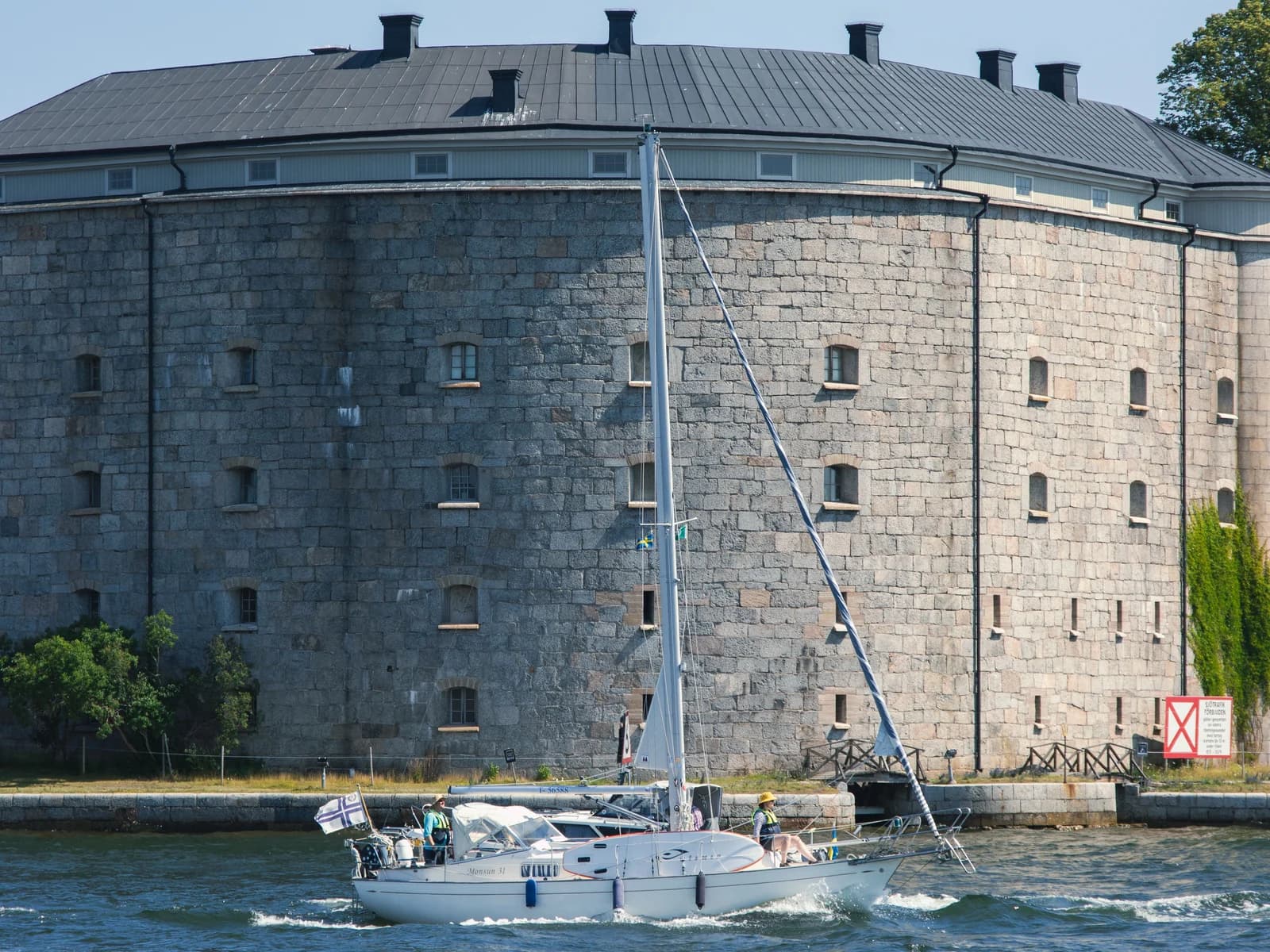
Vaxholm is the archipelago's town: small, lived-in all year, with shops, restaurants and harbours, about an hour away on the Cinderella boat or by SL bus 670. On its own islet across the water stands the fortress. The site was ordered fortified in the 1540s to guard the sea approach to Stockholm; the round castle you see now was built between 1833 and 1863. In 2026 the little ferry over ran at weekends from mid-May and daily from 22 June to 23 August.
If you have one day and want the water without planning around it, this is the day. Our Bright Nights journey sails past the fortress on its way out to Grinda.
The middle: Grinda, Gällnö, Svartsö and Finnhamn
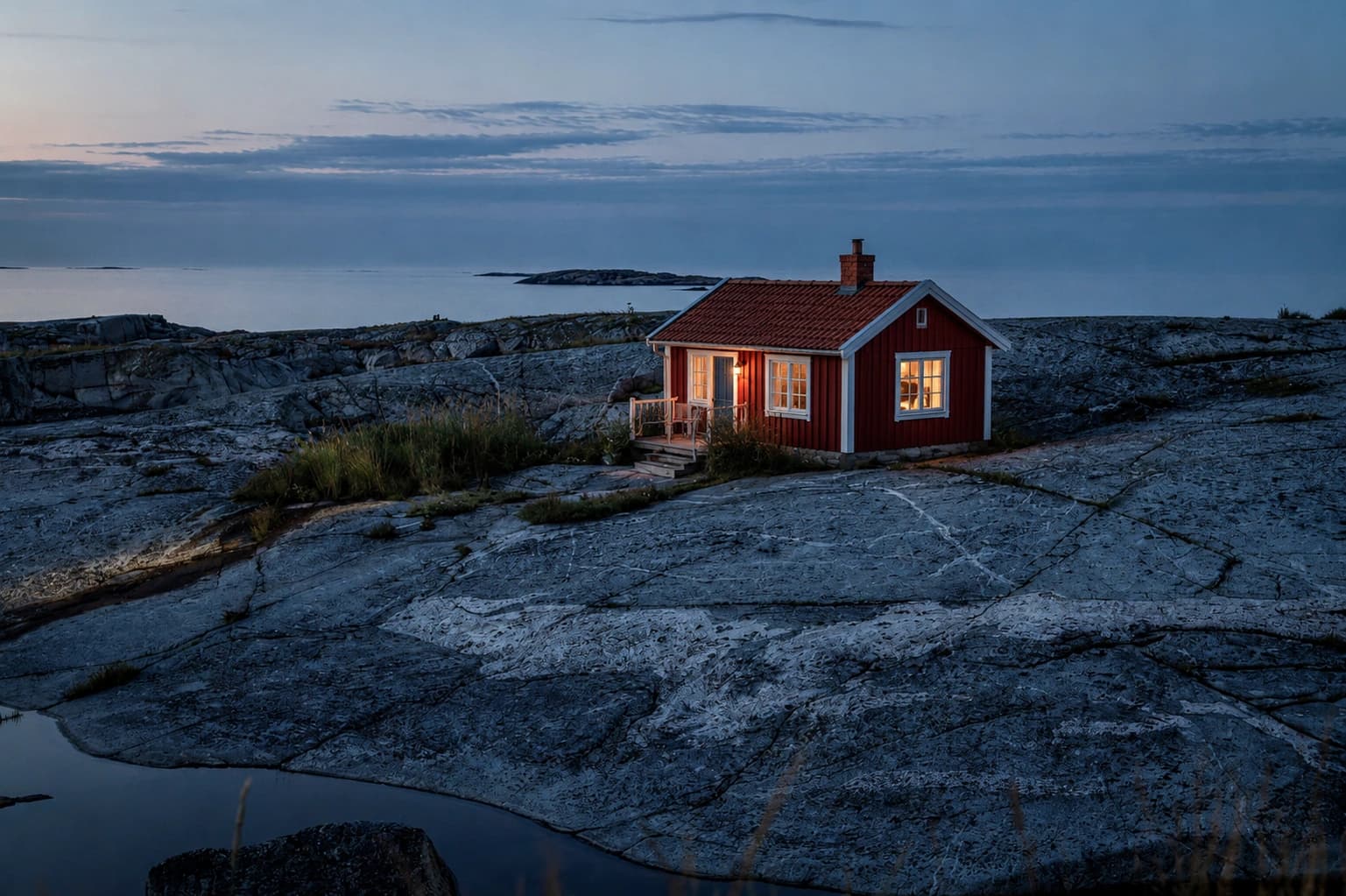
Grinda is the island we suggest most often for a first night. It is a nature reserve of woods, paths and swimming rocks, about an hour and a half from Strandvägen on the Cinderella boat, with two piers ten to fifteen minutes' walk from the inn. You can sleep at Grinda Wärdshus, in one of 27 cottages, at the Sea Lodge or at the campsite. When the last day boats leave, the island empties, and that is the reason to stay.
Gällnö, a quarter of an hour further on the same boat, is farmed and village-like, with a beach at Torsviken, a small restaurant, a shop and a hostel. Svartsö is large enough to cycle, with four piers, a hotel and hostel that open all year, and nearly 18 kilometres of the Stockholm Archipelago Trail. Finnhamn, about two and a half hours out, is wooded and quiet, with a hostel, cottages, a sauna and rowing boats. All three reward a night more than a day.
Opening dates on all of these islands are seasonal and change every year, so check them for your dates. Our archipelago sailing days reach Grinda with a skipper; an island-hopping week reaches the rest by public boat.
Sandhamn and Möja: the outer villages
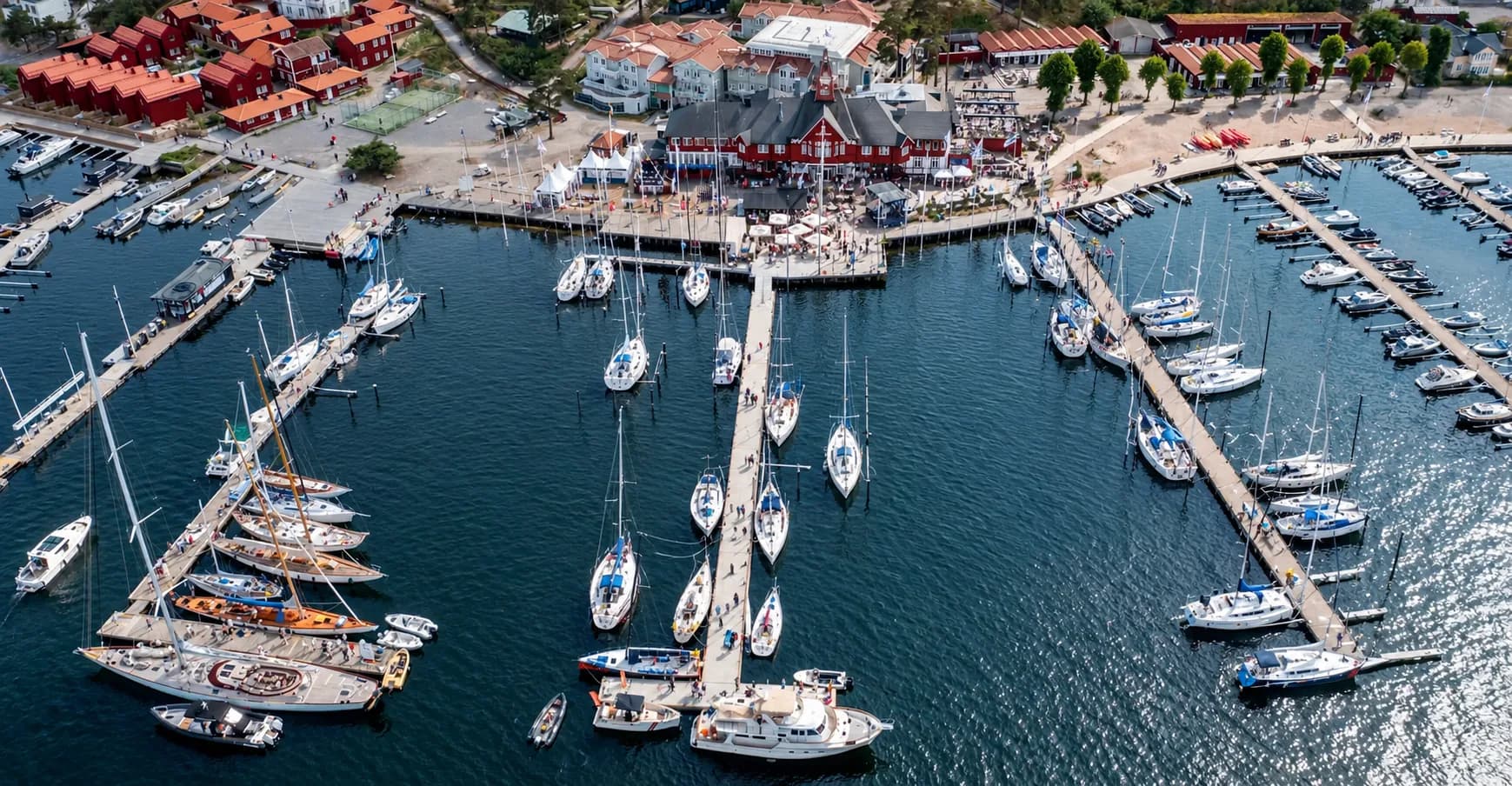
Sandhamn, on the island of Sandön, is the archipelago's sailing village: a pilot and customs station that became a summer resort once regular steamers arrived in 1865. It has beaches, a guest harbour, bars in July, and two hotels open all year, Sandhamn Seglarhotell and Sandhamns Värdshus. Take bus 433 from Slussen to Stavsnäs and the boat across, about an hour and a half in all. It works as a day trip; a night lets you see it after the day boats have gone.
Möja is the opposite: a working island at the edge of the outer archipelago, with about 150 people living there all year, a school, a shop, a restaurant and six landings. It is three and a half hours on the direct boat from the city, or an hour and a half from Sollenkroka after the bus. On some summer timetables you could day-trip it. Give it a night or two instead, and book early: there is no campsite, and summer rooms fill.
Choose the island for the night, not the day. The day boats decide what an island is like until five o'clock.
The far edge: Rödlöga, Bullerö and the skerries
The outer skerries are why many people fall for the archipelago: low bare granite, the open Baltic, and almost nothing built. Some can be reached without a boat of your own. Rödlöga has a public boat all year except when ice stops it, about four hours from Strömkajen or an hour and a half from Furusund, with a small seasonal shop and café and very little else. Bullerö is the main entrance to Nämdöskärgården, made a national park in 2025: about 1,000 islands and skerries in 25,300 hectares, 97 per cent of it water. The seasonal Bullerö boat runs from Stavsnäs from May to early October, and the island has a guesthouse, a sauna and a three-kilometre loop.
Beyond that, it gets harder. Huvudskär has simple rooms in the old customs and pilot houses, without electricity or heating, but no regular ferry. Svenska Högarna, 35 kilometres east of Möja in the county's largest marine nature reserve, has no public boat at all. For both you need a charter, an occasional expedition boat or a skipper, and a weather window. Never plan an outer skerry as a day trip with a fixed return.
In the north, Ängsö is a national park reached only by boat, at its best when the meadows flower from mid-May to early June. There is nowhere to eat or sleep, so bring food and know your boat back.
The south: Utö, Ornö, Nåttarö and Landsort
The southern archipelago is reached from Årsta brygga, Dalarö and Nynäshamn rather than from the city. Utö is just under an hour by boat from Årsta brygga all year, and big enough to cycle, with an inn open all year, a hostel and bicycle hire. Iron was mined here from the 1100s; the Geological Survey of Sweden names Utö and Norberg together as the country's oldest known mines, so Utö is not simply “the oldest”. Ornö, the largest island in the south, is a year-round ferry from Dalarö with 34 kilometres of trail.
Nåttarö, half an hour by boat from Nynäshamn, is car-free and has no permanent residents. It has the archipelago's best-known sandy beaches, dunes and a snorkelling trail, and everything on it is seasonal.
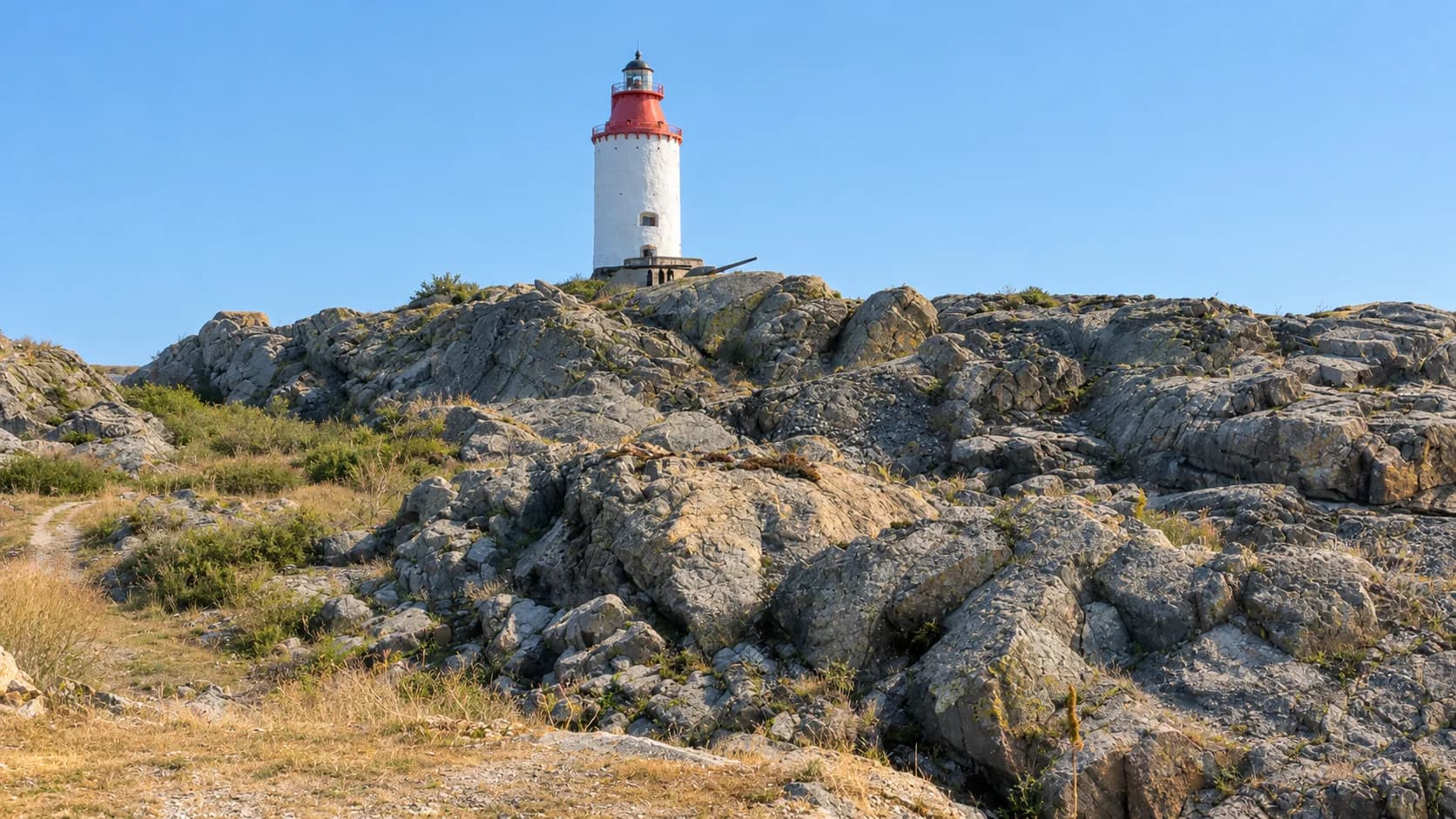
At the southern tip is Landsort, on Öja, a narrow island about five kilometres long. There have been pilots here since 1535, and its lighthouse tower, from 1686, is the oldest Swedish-built lighthouse in the country. A 10.7-kilometre trail passes military remains, a plague cemetery and a stone labyrinth. Boats run all year from Ankarudden, reached by commuter train to Nynäs gård and bus 852. Give it a full day at least, and better a night at the hostel below the lighthouse, which is open all year. It is a stay beside a lighthouse rather than in one, as our lighthouse stay is.
The rules, and staying safe
Sweden's right of public access, allemansrätten, lets you swim, go ashore, walk and moor a boat for a night, provided you do not disturb and do not destroy. It does not let you camp anywhere. A small tent for a night or two is fine away from houses; within sight and sound of a home is that household's private zone. Nature reserves and national parks can be stricter, and many islands have bird and seal sanctuaries closed to landing for part of the year, on dates that differ from place to place. Check Naturvårdsverket's protected-areas map for your island, and the county's fire ban on the day. Never light a fire on bare rock: it cracks.
Ticks are the one health point worth planning for. The Stockholm coast is among Sweden's highest-risk areas for tick-borne encephalitis, and 1177, the national health service, advises vaccination for anyone spending time outdoors there; start in good time and ask a doctor. In warm, calm spells blue-green algae can bloom, so stay out of discoloured water. In an emergency at sea, call 112 and ask for sea rescue.
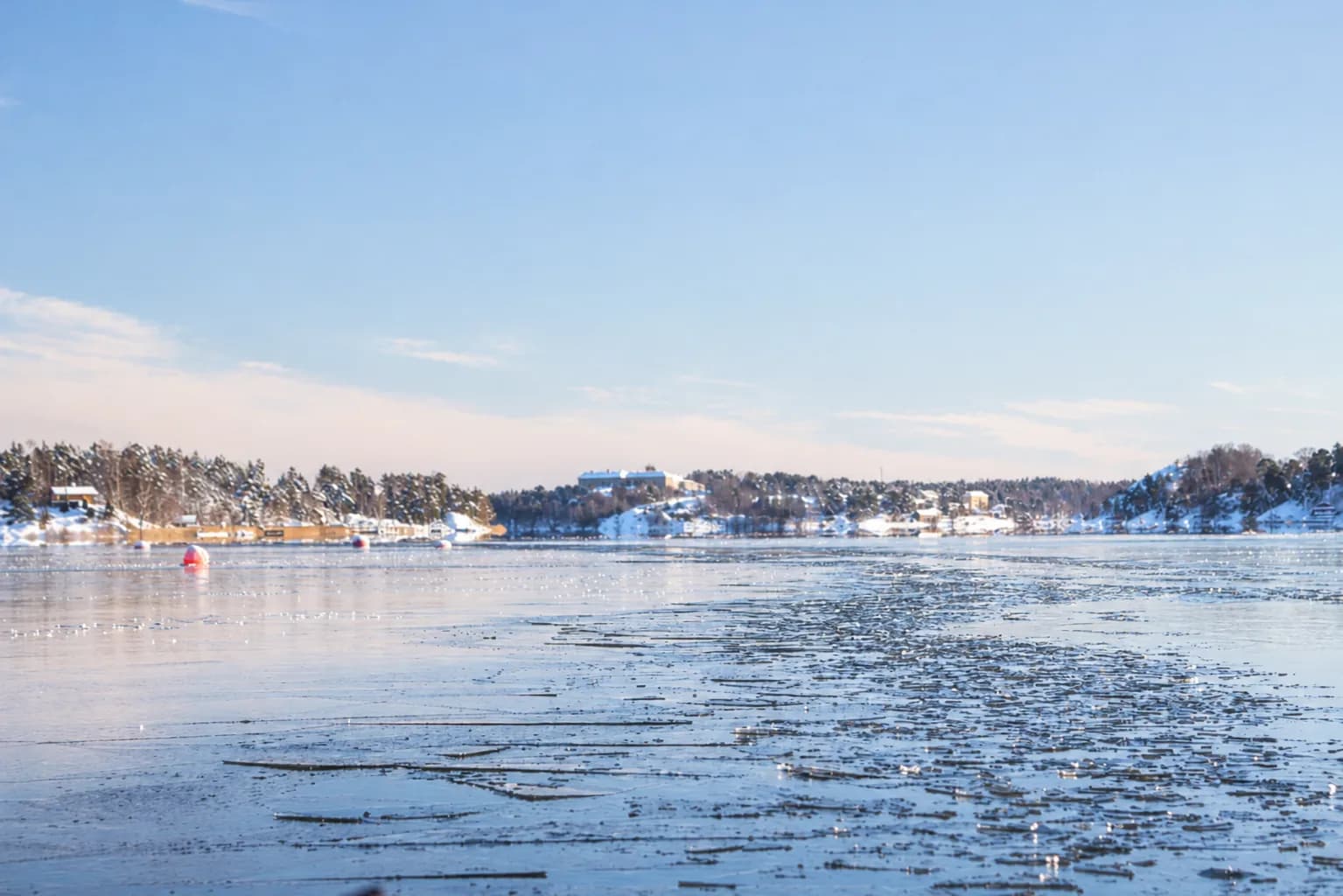
Autumn, winter and the ice
The archipelago does not close. Waxholmsbolaget runs every day of the year, and Vaxholm, Sandhamn, Utö and Svartsö keep hotels or inns open. What closes is most of everything else: the Cinderella boats stop after 26 September, and most cafés, shops and hostels are seasonal. In December Stockholm has about six hours of daylight. A winter day on the islands is quiet and lovely, and it is best spent on one year-round island rather than several. Some island hotels serve a julbord, the Christmas buffet, in December.
In cold winters the sea freezes between the islands and Stockholmers skate on it, touring on natural ice: långfärdsskridsko. No month is reliable for it. Sea ice changes with every winter, bay and current, and the Swedish Life Saving Society's minimum is ten centimetres of clear ice, never alone, with ice claws and rescue gear. Go with a guide who has read the ice that week. If skating is the point of the trip, the Gulf of Bothnia, which freezes hard enough to drive on by February, is the surer bet: see Nordic skating.
Pilots, steamers and a raid
The archipelago is Stockholm's sea gate, and much of what stands on it was built to guard or to guide. Landsort had pilots, lotsar, by 1535. In the summer of 1719, at the end of the Great Northern War, a Russian force of about 25,000 men and 250 ships burned towns and villages along this coast from 11 July until the middle of August.
Then came the steamers. Sandhamn had regular service from 1865, Waxholmsbolaget was founded in 1869, and Stockholm families began to keep a sommarnöje, a summer place on the islands, a habit that has never stopped. August Strindberg spent his first summer on Kymmendö in 1871, and its islanders became the characters of Hemsöborna, The People of Hemsö. The wooden boats in the guest harbours belong to an older craft: Nordic clinker boatbuilding, on UNESCO's list of intangible heritage since 2021, and the boat of our wooden boat day.
Month by month
Air in Stockholm, the sea at Landsort and daylight on the 15th of each month, with what is running on the water.
- January – MarchIce, perhaps−1 to 2°C · sea about 2°C · 7 to 12 h daylight. Waxholmsbolaget runs; the Cinderella boats do not, and most island businesses are closed. Sea ice in some winters, never on a schedule.
- AprilWaking up6°C · sea 4°C · 14½ h daylight. Year-round islands only, until the Cinderella boats start on 30 April 2027, at weekends.
- MayGreen and quiet11°C · sea 8°C · 17 h daylight. Cinderella from Friday to Sunday until 6 June, and Ängsö's meadows in flower from mid-May. Too cold for most to swim.
- JuneOur pick16°C · sea 14°C · 18½ h daylight, and never fully dark. Boats every day from 7 June. Midsummer Eve is 25 June 2027: book everything, or avoid it.
- JulyBusiest19°C · sea 17°C · 18 h daylight. Everything open, and the Swedish holiday peak: full boats and full inns. Arrive early for popular departures.
- AugustOur pick18°C · sea 17½°C, the warmest of the year · 15½ h daylight. Cinderella every day until 15 August; quieter from mid-month. The crayfish season.
- SeptemberThe last of it13°C · sea 15°C · 13 h daylight. Cinderella at weekends until 26 September. Emptying, and still warm enough for some to swim.
- October – DecemberYear-round islands8°C falling to 1°C · 10 h daylight falling to 6. Vaxholm, Sandhamn, Utö or Svartsö, and a julbord in December.
Air: SMHI 1991–2020 normals for Stockholm. Sea: our averages of SMHI hourly readings at Landsort Norra, 1 m deep, 2011–2025. Daylight from NOAA's solar equations. Boats: Strömma's published 2027 timetable. Figures rounded.
The islands, the city,
and three other coasts
Base yourself on the islands or at the city's edge. And know that Sweden has more than one archipelago, each at its best in a different season.
- Our first choice
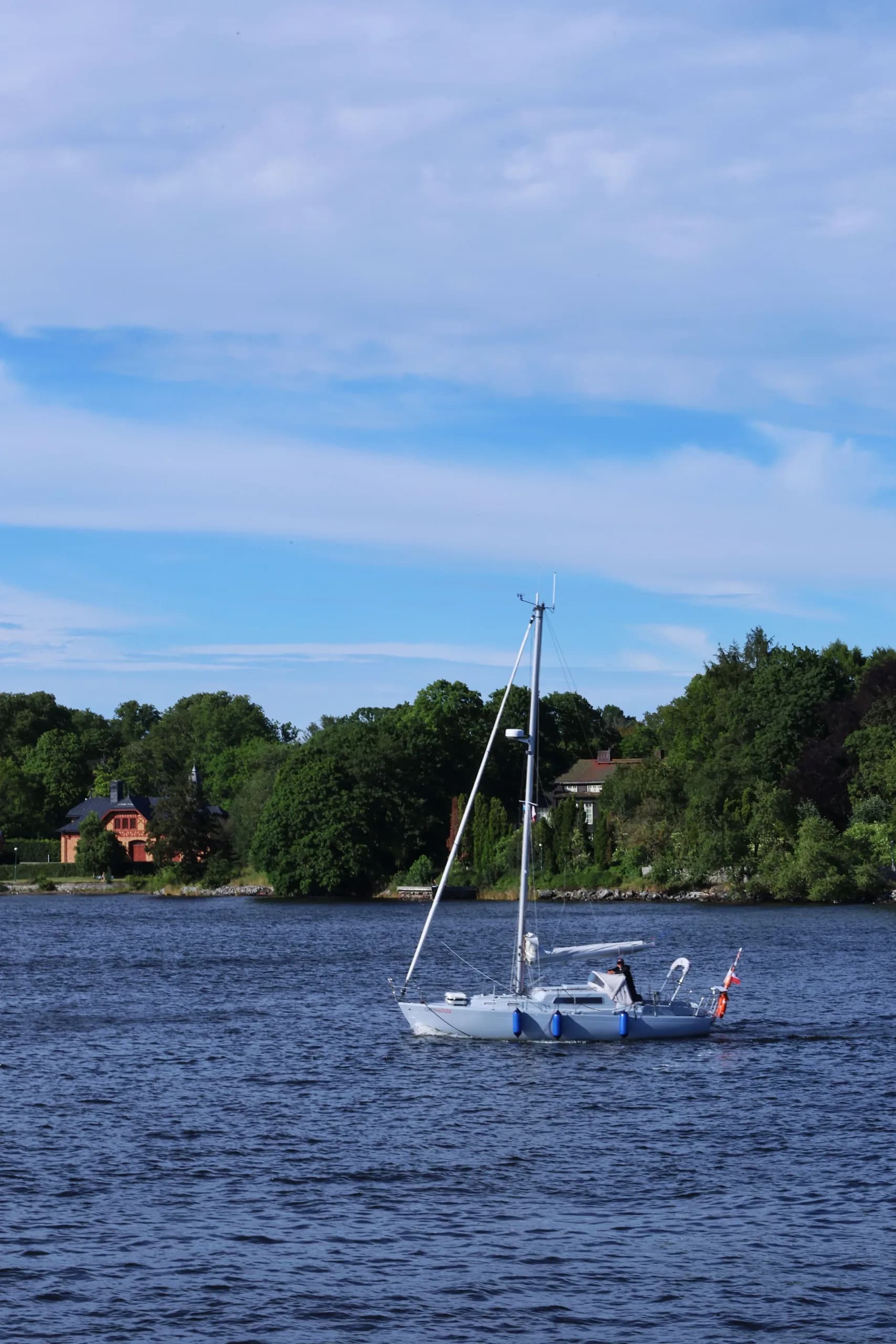
Stockholm archipelago
Grinda, Sandhamn and the islands beyond, by public boat or with a skipper.
The place - Where the boats leave
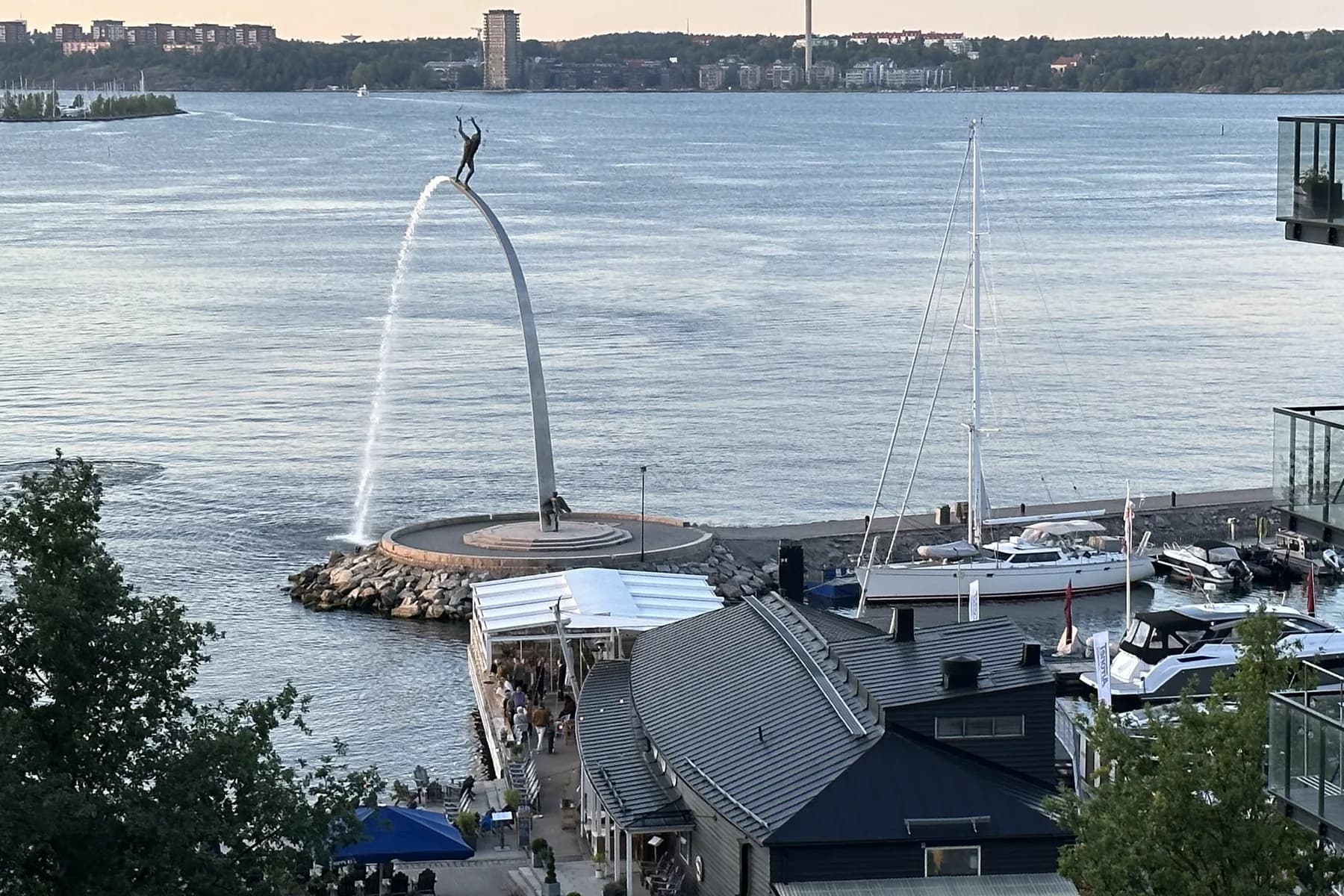
Stockholm
Strömkajen for Waxholmsbolaget, Strandvägen for Cinderella, and Nacka Strand at the quiet edge of the city.
The place - The west coast
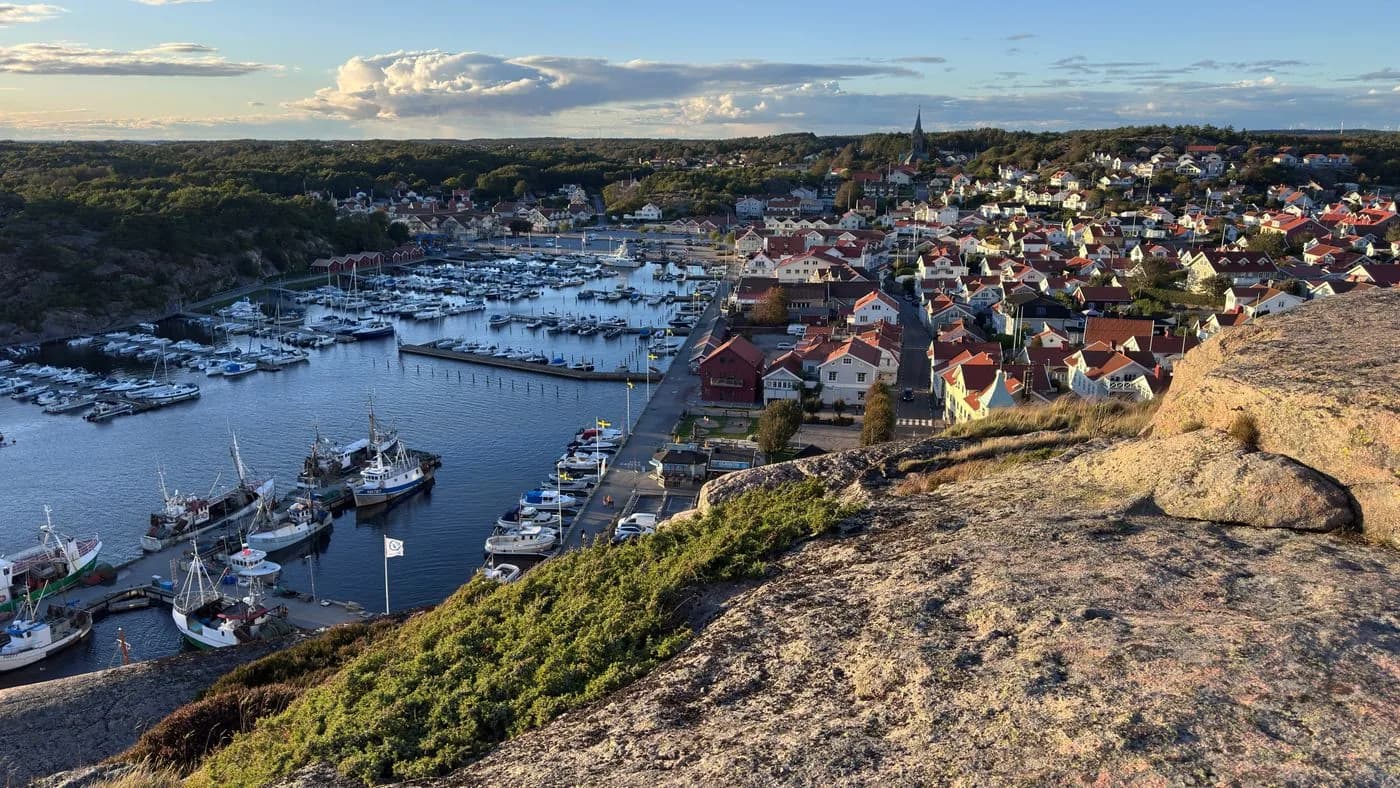
Fjällbacka
Pink granite, oysters and lobster on the Bohuslän coast. A different archipelago, on the other side of Sweden.
The place - The High Coast
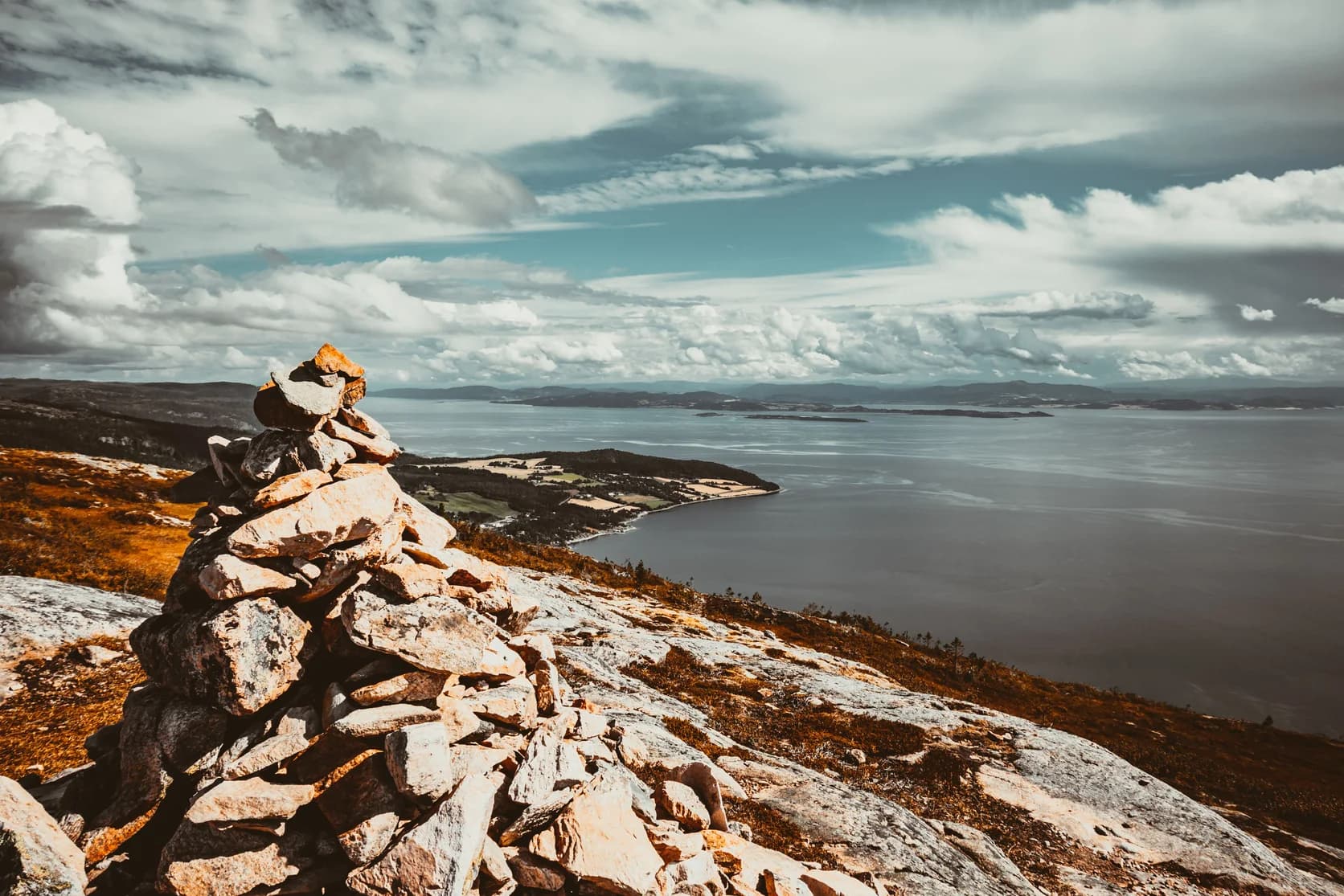
Höga Kusten
Islands off a coastline that is still rising from the sea, further north up the Baltic.
The place - The frozen north
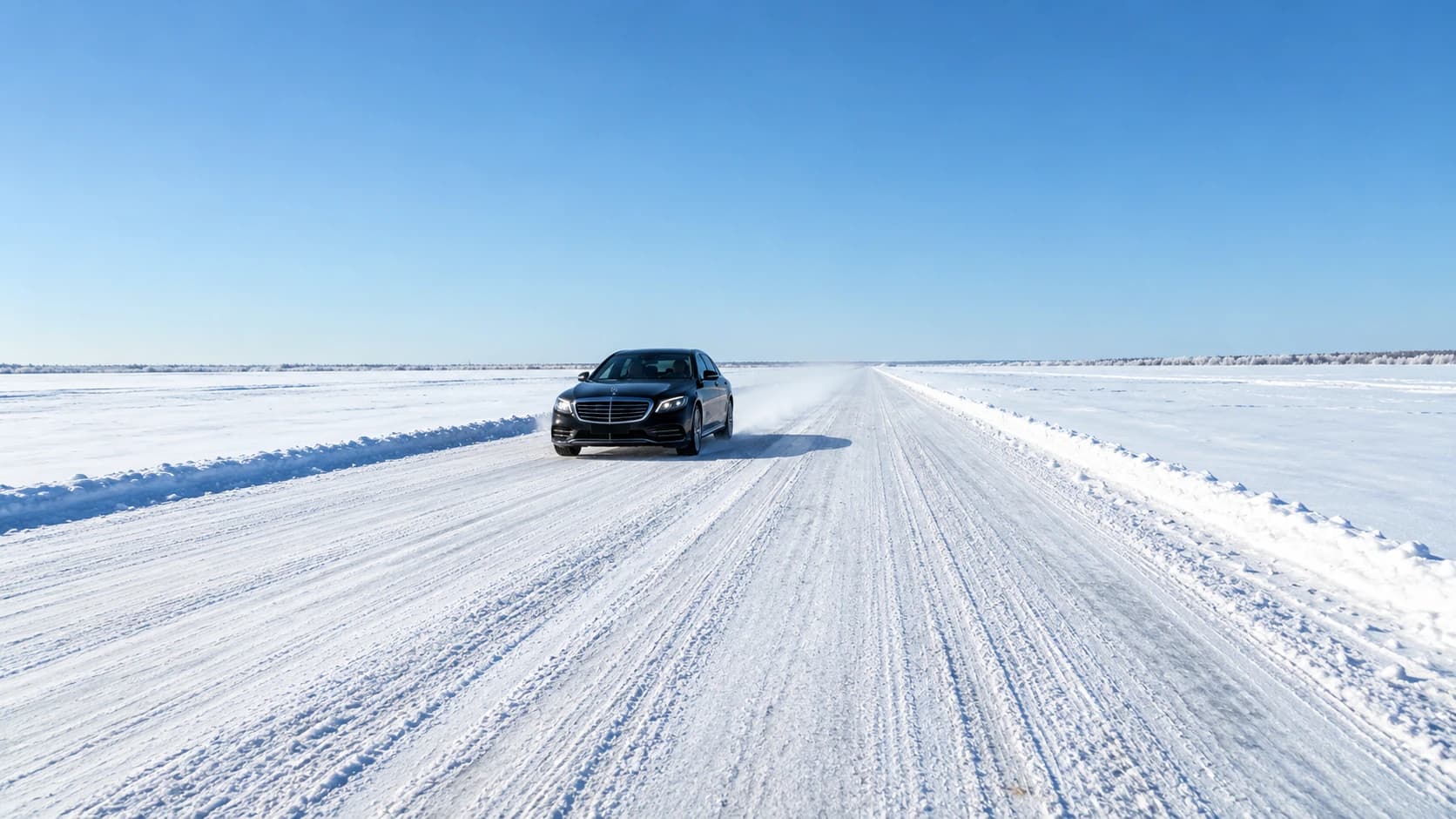
Luleå archipelago
The winter archipelago. By February the sea freezes, and the islands are reached across the ice.
The place
How many days
to give it
Twodays, with a night on an island
The boats set the pace, not the map. Every island you add costs hours on the water, so add nights before you add islands.
- One dayVaxholm or Fjäderholmarna, or a single island such as Grinda or Sandhamn. Check the last boat back first.
- Two daysOne night on Grinda or Sandhamn. You see the island after the day boats leave, which is most of the point.
- Three or moreAdd one further island: Utö, Möja or Landsort, or a stretch of the Archipelago Trail. Or put a skipper on it.
Worth knowing
Six things other guides get wrong
- “It has exactly 30,000 islands.”About 30,000 is the official tourism figure. Nobody has counted a region with a fixed border, so treat any exact number with suspicion.
- “You can see the midnight sun in Stockholm.”The sun sets, at 22:08 on Midsummer Eve 2027. What you get is a night that never fully darkens. The midnight sun is in Lapland.
- “The ferries only run in summer.”Waxholmsbolaget runs every day of the year. What is seasonal is the Cinderella boats, some direct routes, and most of what is open on the islands.
- “You must book the ferry in advance.”Waxholmsbolaget is walk-up: pay on board or in the SL app. Only the Cinderella boats are booked, and that guarantees a place, not a seat.
- “The direct boat is the fastest way to Sandhamn.”Bus 433 to Stavsnäs and the short crossing take about an hour and a half; the direct boat takes two to three. Take it for the view.
- “Allemansrätten means you can camp anywhere.”A small tent for a night or two, away from houses and outside protected areas. Near someone's home, it is their private zone.
What to bring
- A windproof layer, even in July: it is cooler out on the water
- Swimwear and a quick-drying towel
- Tick repellent, and a look at your legs each evening
- Water and something to eat: island cafés are seasonal
- A card or phone to pay: the boats are cashless
- The return timetable, saved offline
- Sun cream and a hat: the light off the water is strong
- One soft bag, not a case: jetties, gangways and steps
Questions
Which island is best for a first visit?
Vaxholm if you have one easy day. Grinda for woods, swimming and a night at an inn. Sandhamn for a sailing village on the edge of the open sea. For most first trips we suggest Grinda or Sandhamn, with one night.
Can I visit the Stockholm archipelago as a day trip?
Yes. Fjäderholmarna is twenty minutes away and Vaxholm about an hour, and Grinda and Sandhamn both work as long days. Check the last boat back before anything else. A night on an island is what most visitors wish they had added.
Grinda or Sandhamn?
Grinda for nature: a reserve with paths, swimming rocks and an inn, about an hour and a half by boat. Sandhamn for a village: a sailing harbour, beaches, restaurants and two hotels open all year, about an hour and a half by bus and boat via Stavsnäs.
Do I need to book the ferry?
Not Waxholmsbolaget: it is walk-up, and you pay on board by card or in the SL app. The Cinderella boats can be booked, which guarantees a place on board but not a seat.
Does my SL ticket work on the archipelago boats?
Only on the inner part of the network, 44 piers near the city. From 14 September to 29 April, SL period tickets of 30 days or more are valid on every Waxholms boat. Otherwise buy a single, or the five-day Waxholms ticket for SEK 595.
Is the Stockholm archipelago worth visiting in winter?
Yes, if you choose one island that stays open, such as Vaxholm, Sandhamn, Utö or Svartsö. The boats run all year, but daylight is short, about six hours in December, and most cafés and shops are closed.
Is the sea warm enough to swim?
In July and August the open sea at Landsort averages about 17°C, and sheltered bays can be warmer on a sunny day. In June it is about 14°C. In hot, calm spells, check for algae before you go in.
Where can I stay overnight without a car?
Grinda, Svartsö, Finnhamn, Möja, Sandhamn, Utö and Landsort all have public boats and places to stay. Book early for July, and for Midsummer, which falls on 25 June in 2027.
Can I visit two or three islands in one day?
Only if the timetable connects them on your date, and often it does not. The boats, not the distances, set the limit. For a first trip, one island a day is the better plan.
Is there a midnight sun in the Stockholm archipelago?
No. On Midsummer Eve 2027 the sun sets in Stockholm at 22:08, and the night stays light but never fully dark. The real midnight sun is in Lapland: our midnight sun guide has the dates.
Skärgård: Swedish for an archipelago: skär, a rocky islet, and gård, an enclosed yard.
Sources for this guide
- Visit Stockholm — Discover the Stockholm archipelago
- Visit Sweden — The Stockholm archipelago
- Statistics Sweden — Islands by region
- Statistics Sweden — Island statistics, methodology
- Region Stockholm — Waxholmsbolaget
- Waxholmsbolaget — About us
- Waxholmsbolaget — Timetables
- Waxholmsbolaget — Fares and tickets
- Waxholmsbolaget — Single journey tickets
- Waxholmsbolaget — Five-day ticket
- Waxholmsbolaget — How the SL ticket works on the boat
- Waxholmsbolaget — Buying tickets in the SL app
- SL — SL tickets on part of Waxholmsbolaget's network
- Strömma — Cinderella boats, FAQ
- Strömma — Cinderella Stockholm–Sandhamn timetable 2027
- Destination Vaxholm
- Vaxholm Fortress — History
- Visit Stockholm — Fjäderholmarna
- Skärgårdsstiftelsen — Grinda
- Grinda — Accommodation
- Grinda — Getting here
- Skärgårdsstiftelsen — Gällnö-Karklö
- Stockholm Archipelago Trail — Svartsö
- Skärgårdsstiftelsen — Finnhamn
- Sandhamn — Getting here
- Sandhamn local heritage association — History
- Visit Möja — About Möja
- Visit Möja — Getting here
- Visit Roslagen — Rödlöga
- Länsstyrelsen Stockholm — Nämdöskärgården National Park
- Sweden's National Parks — Getting to Nämdöskärgården
- Skärgårdsstiftelsen — Huvudskär
- Länsstyrelsen Stockholm — Svenska Högarna
- Sweden's National Parks — Visiting Ängsö
- Blidösundsbolaget — Utö
- Skärgårdsstiftelsen — Utö
- SGU — Historic mines
- Stockholm Archipelago Trail — Ornö
- Nynäshamn Municipality — Nåttarö
- Sjöfartsverket — Landsort, the oldest Swedish-built lighthouse
- Visit Landsort — Getting to Landsort
- Stockholm Archipelago Trail — Landsort
- Landsorts vandrarhem
- Region Stockholm — Stockholm Archipelago Trail
- Naturvårdsverket — The Right of Public Access
- Naturvårdsverket — Right of Public Access handbook (English)
- Naturvårdsverket — Protected areas map
- Länsstyrelsen Stockholm — Fire bans
- 1177 — Vaccination against TBE
- Folkhälsomyndigheten — TBE risk areas
- SMHI — Questions and answers about algae
- Sjöfartsverket — Contacting sea and air rescue
- Swedish Life Saving Society — Ice safety
- Friluftsfrämjandet — Going out safely on the ice
- SMHI — Temperature normals 1991–2020
- SMHI — Sea temperature data
- SMHI — Summer and winter solstice
- NOAA — Solar calculator
- Visit Sweden — Midsummer
- Visit Sweden — Crayfish parties
- Stockholm County Museum — The Russian raids of 1719
- Haninge Municipality — Kymmendö
- Living Traditions — Clinker boatbuilding
Plan a Stockholm archipelago trip.
Tell us when you can travel, and we will match the islands to the boats, book the night that matters, and put a skipper on it if you want one.