Stockholm & the East
Stockholm
Fourteen islands of city, and the sea starts at the quay.
Region
Stockholm & the East
Best season
Year round
Best for
First-time Sweden travellers, and food and design-led couples
About Stockholm
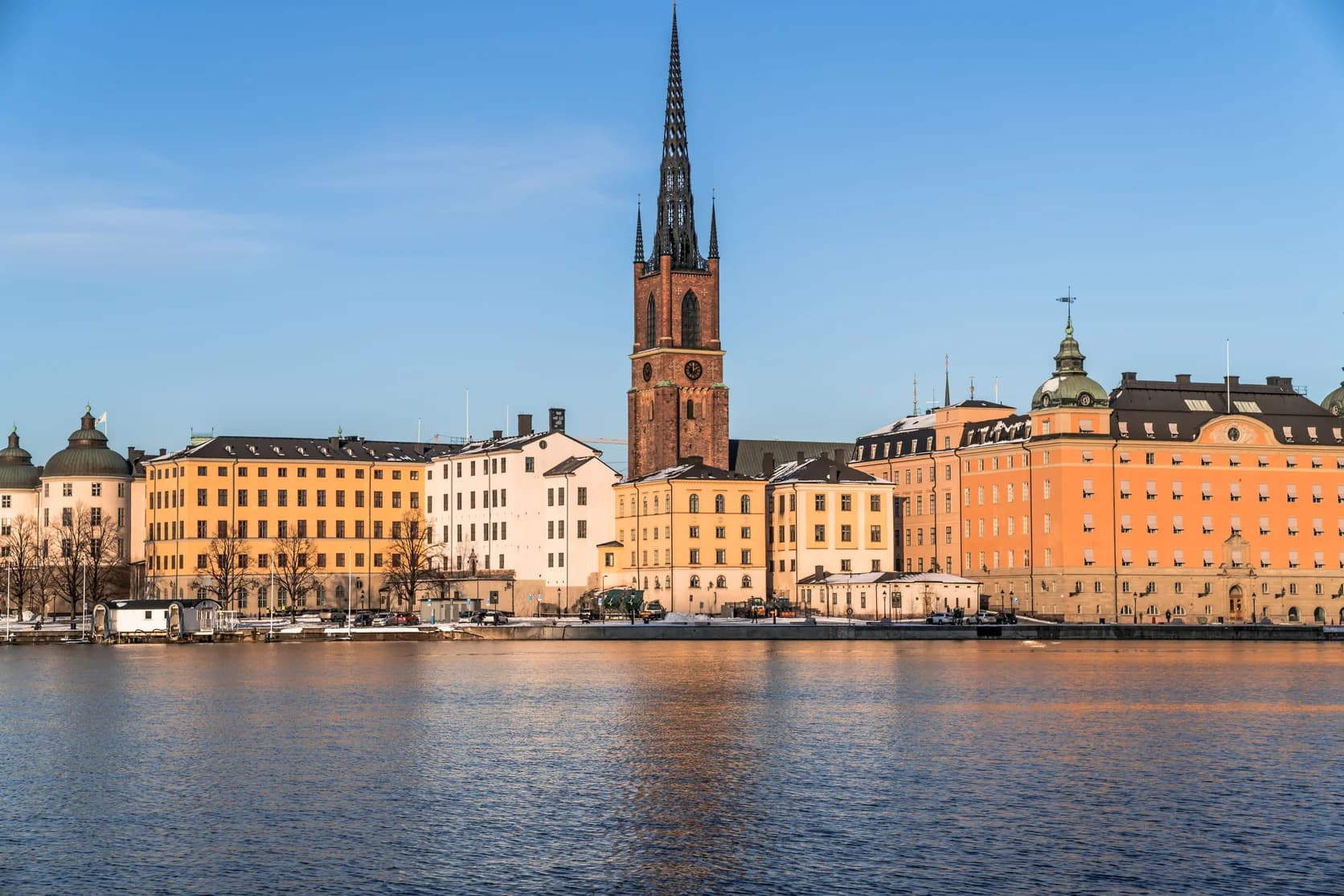
Stockholm is built on fourteen islands and behaves like it. The water is not a view here, it is the thing the city is arranged around — you cross it to go to dinner, and the boats that leave from the middle of town are going to actual places people live. It is also the point almost every journey through Sweden passes through, which is the argument for giving it three nights rather than treating it as the airport with a cathedral attached.
Getting there
Fly to Arlanda, which is the main hub for the whole country and where nearly every journey we arrange begins. The Arlanda Express runs into Central Station in under twenty minutes; we meet you at arrivals and drive you instead, which on a first morning is usually the kinder option.
From here everything else is a connection rather than an expedition: the night train north to Abisko, an hour to the archipelago quays, a short flight to Kiruna. Once you are in the city itself you will walk, and the ferries count as walking.
What to see and do in Stockholm
The ship they raised
The Vasa sank on her maiden voyage in 1628, about a nautical mile from where she was launched, and sat in the harbour mud for three hundred and thirty-three years. She is the only almost fully intact ship of her century anywhere, and she is not a model or a reconstruction — you are looking at the actual timber. Go early, before the coaches.
Where the archipelago begins
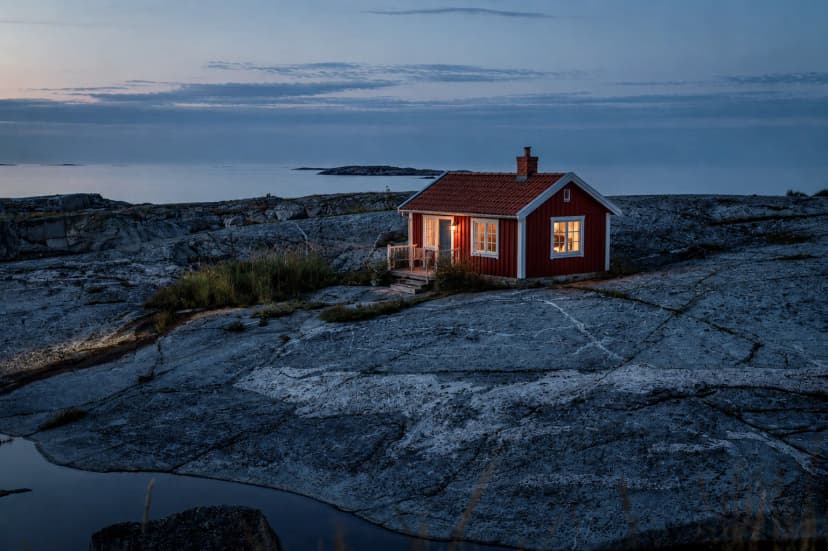
The boats out to the islands leave from quays in the middle of the city, not from a terminal on the edge of it. That is the thing to understand about Stockholm: the wilderness does not start two hours away, it starts at the end of the street. You can have breakfast in the old town and be on a rock in the Baltic by lunch.
Drottningholm
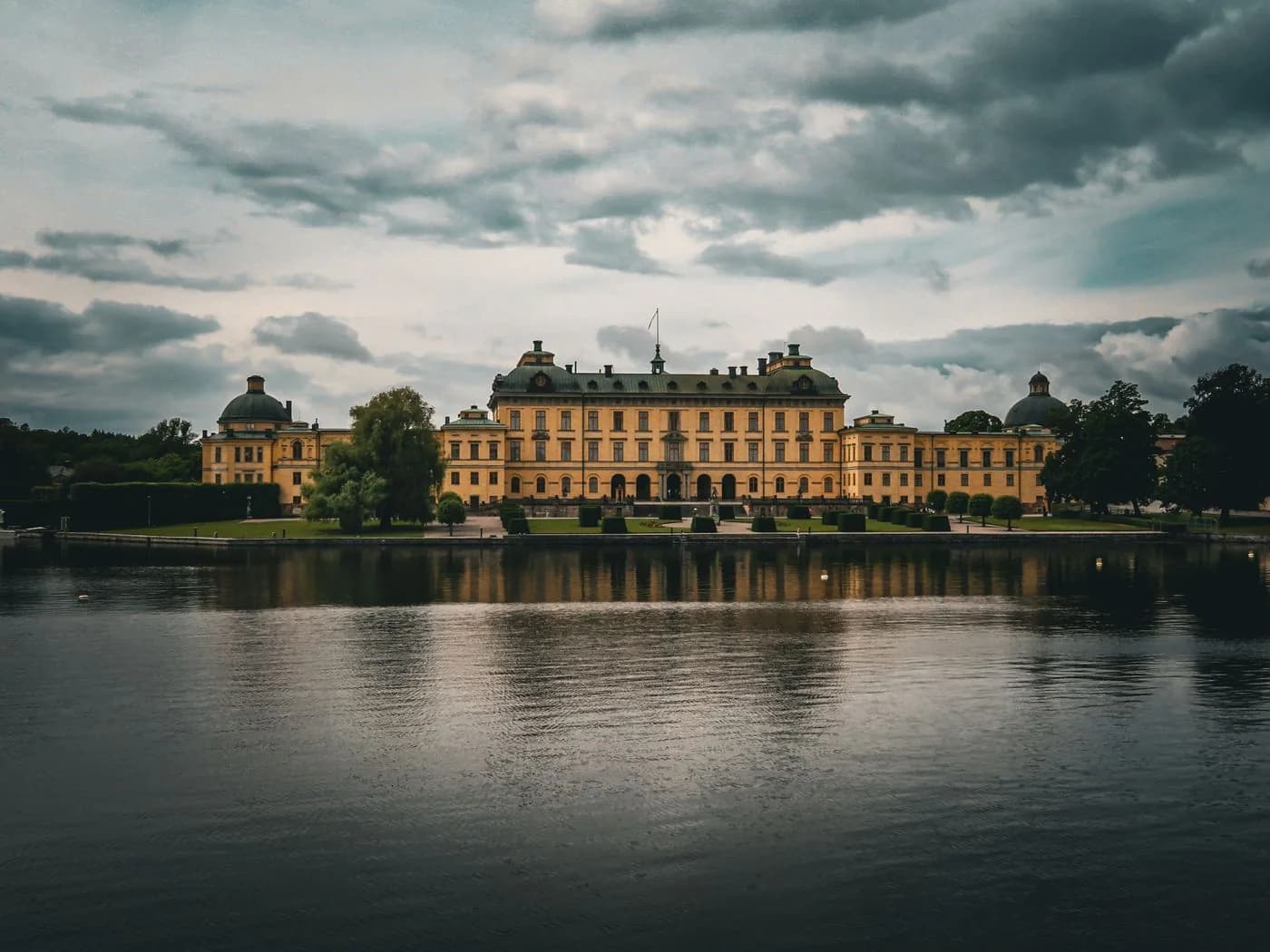
A seventeenth-century palace on Lovön that the royal family still lives in, with a court theatre that has kept its original stage machinery — wooden, hand-cranked, and still used. UNESCO-listed, and reachable by boat from the city, which is the only way we would go.
Arrange My Trip

When to go to Stockholm
Winter
December – February
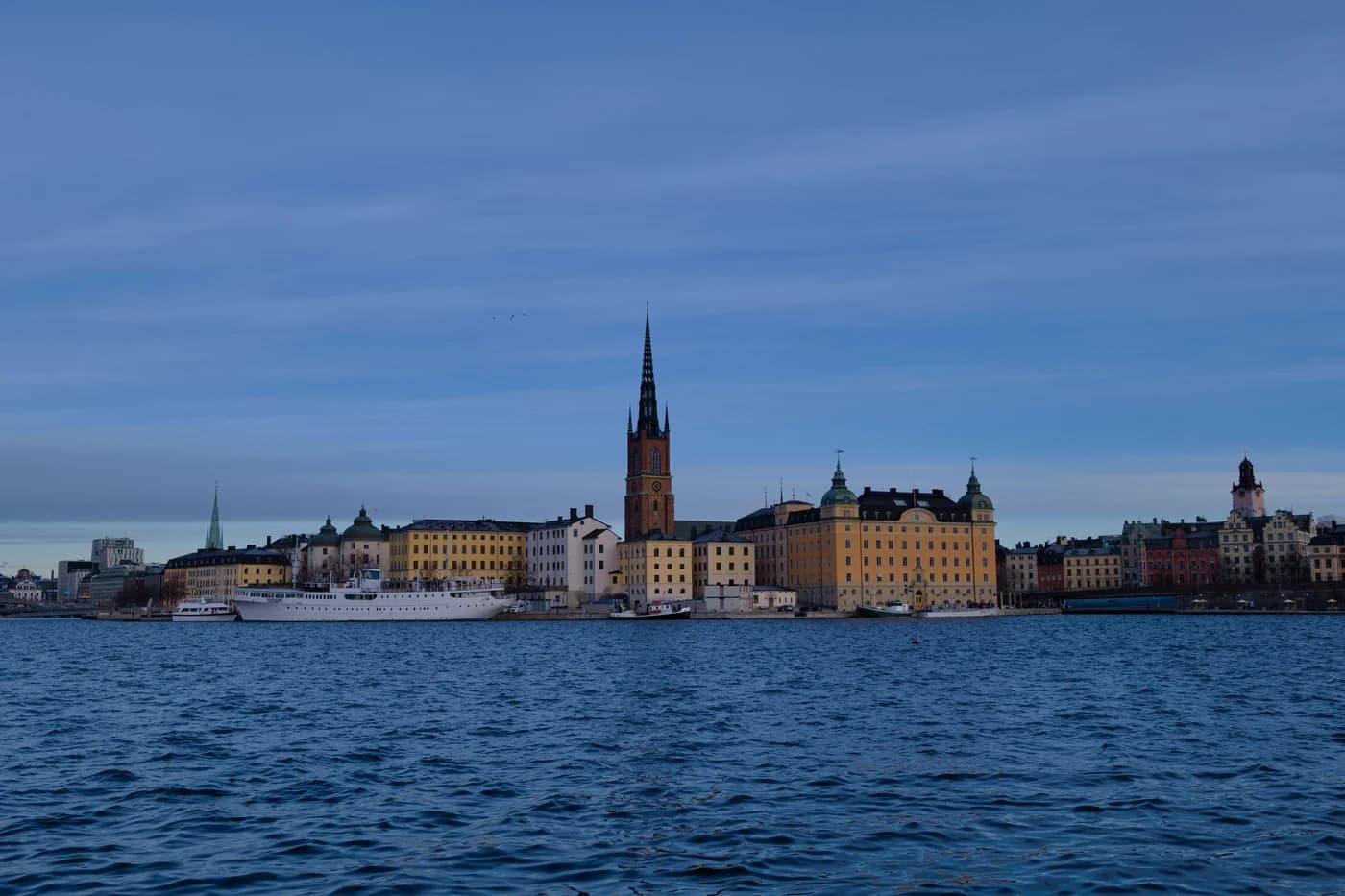
Six hours of light in December, nine by mid-February, and a city that is built for it — this is the indoor season, and Stockholm is very good indoors. Cold, dry, often bright, and the one time of year the old town is not full.
Spring
March – May
The fastest-changing months: eleven and a half hours of daylight in March, close to seventeen by mid-May. The city moves outside almost overnight in April, weeks before the archipelago season opens.
Summer
June – August
Eighteen and a half hours of light around midsummer and nothing that really counts as night. Also when Stockholm empties — much of the country takes July off, which makes the city quieter and some of the best kitchens closed. Late June and August are the sweet spots.
Autumn
September – November
Thirteen hours of daylight in September falling to under eight by November, the archipelago boats thinning out, and the best month of the year to eat here. Everything is open, everyone is back, and nobody is queueing.
Journeys through Stockholm & the East
All journeys
Stockholm: common questions
Anything not answered here, ask us directly — we'd rather you did.
How many days do I need in Stockholm?
Three nights. Two is enough to see the old town and the Vasa and leave feeling you skimmed it; four is generous unless you are here for the food. Three lets you give one day to the islands in the middle of the city — Djurgården and Skeppsholmen — one to the old town and the water, and one to whatever you came for, which is usually a table. Most of our journeys use Stockholm as the first three nights and then move north or out to sea.
Should we combine Stockholm with the archipelago?
Almost always, and it is one of the best week-long pairings in Europe. Three nights in the city and three or four in the archipelago gives you serious cooking, a well-preserved medieval old town and genuine emptiness, with under an hour of travel between them. The two are a single destination in practice; we keep them as separate pages here because the trips are not the same shape.
How do I get from Arlanda into the city?
The Arlanda Express takes under twenty minutes to Central Station and runs frequently, which makes it the fastest way in by some margin. There is also a coach, which is slower and cheaper, and taxis, which in Sweden are deregulated — agree the fare before you get in, or use a company you recognise. On a journey with us none of this applies: we meet the flight.
Is Stockholm expensive?
Yes, and less than its reputation. Eating and drinking out is priced like a northern European capital rather than an extravagance, and the city is almost entirely cashless — most places will not take notes at all, so bring a card rather than currency. The genuinely expensive things are alcohol, taxis and last-minute hotel rooms in June.
Is winter worth it, or should we wait for summer?
It is worth it, and it is a different city rather than a lesser one. December gives you about six hours of daylight, so you plan around a short bright middle of the day and a long lit evening — which suits museums, dinner and the old town, and Stockholm has more of those than it has beaches. Go in summer for the archipelago. Go in winter for the city itself.
What happens in July?
The country goes on holiday. Sweden takes its summer weeks seriously and a good deal of Stockholm closes — including restaurants you may have booked a trip around. The upside is a capital with the pressure off; the downside is finding a shuttered door. It is the one month where you want someone checking what is actually open before the dates are fixed.
Is it walkable?
Very, with one caveat: the water. The centre is compact and the distances look shorter on a map than they walk, because a bridge is rarely where you want it. Use the ferries — they are public transport here, not a tour, and crossing by boat is usually both faster and better than walking round.
Do we need to hire a car?
No, and we would talk you out of it. Parking is difficult and expensive, there is a congestion charge, and nothing in the city needs a car to reach it. If your journey continues into the countryside we will put a car and a driver at the point where it starts being useful, which is not here.
Ready when you are
Travel to Stockholm
Every journey we design starts with one conversation. Tell us roughly when you'd like to travel and who's coming, and we'll take it from there.