Central Sweden
Höga Kusten
A coastline still rising out of the sea, faster than anywhere else on earth.
Region
Central Sweden
Best season
Jun – Sep
Best for
Walkers and solitude seekers
About Höga Kusten
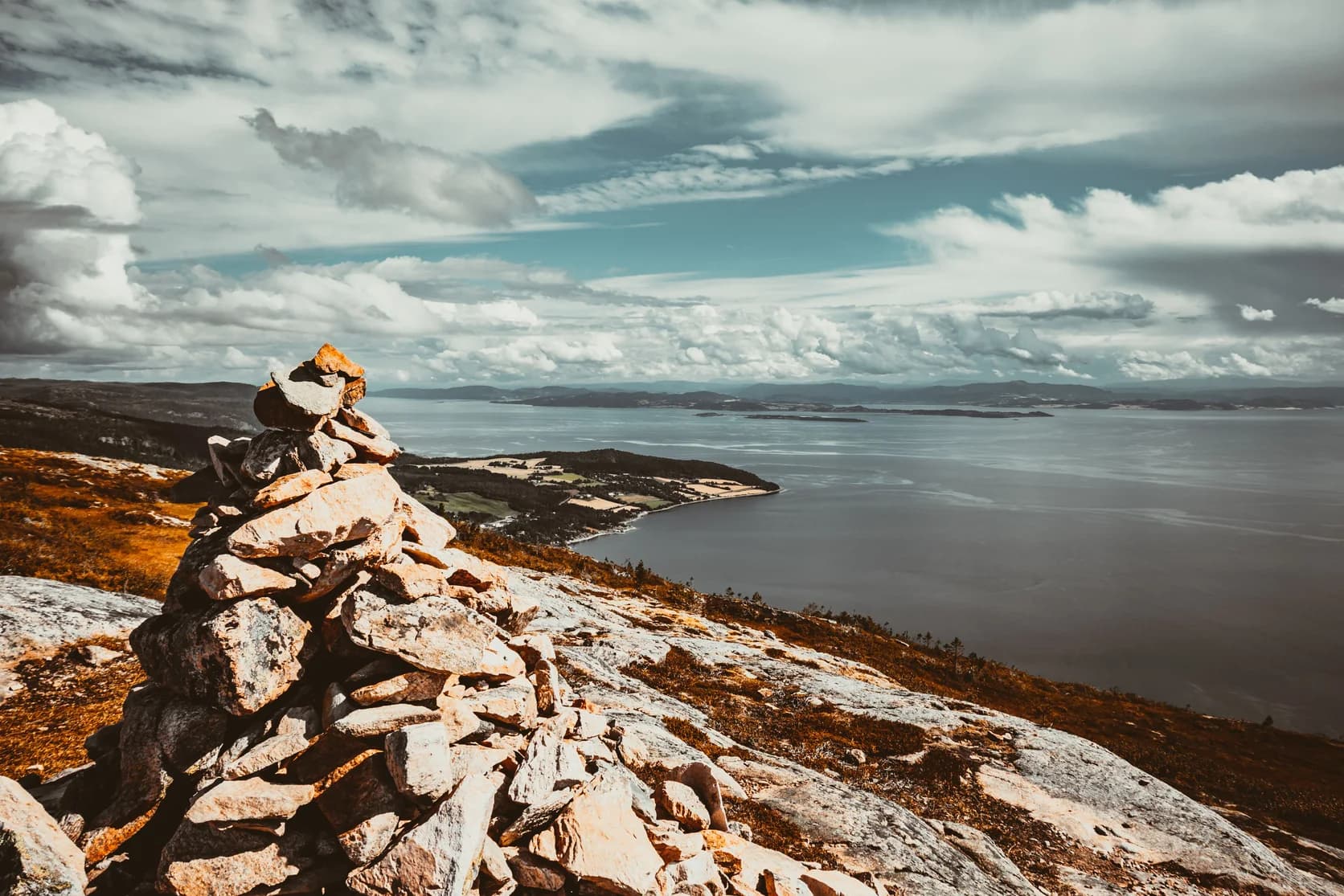
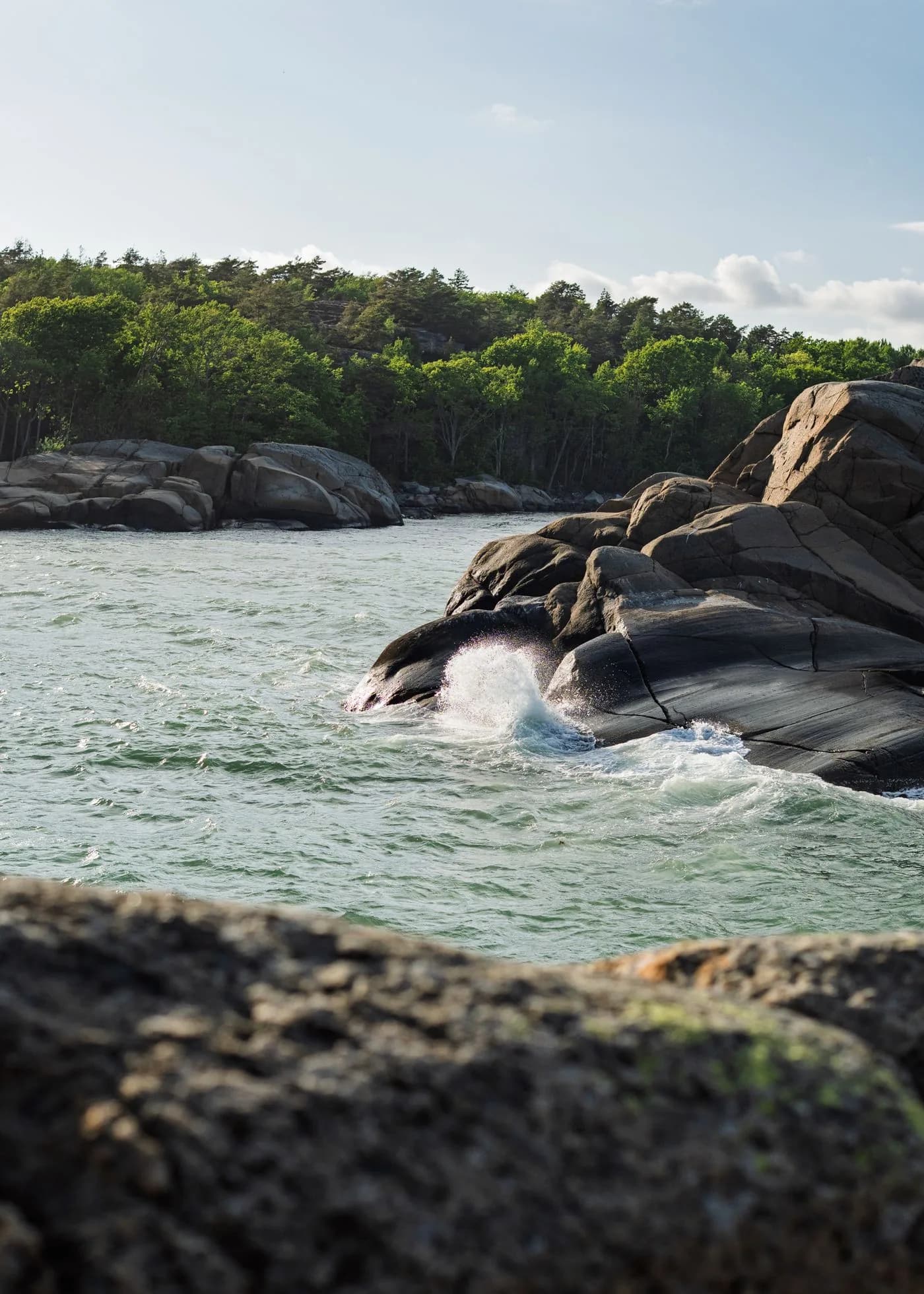
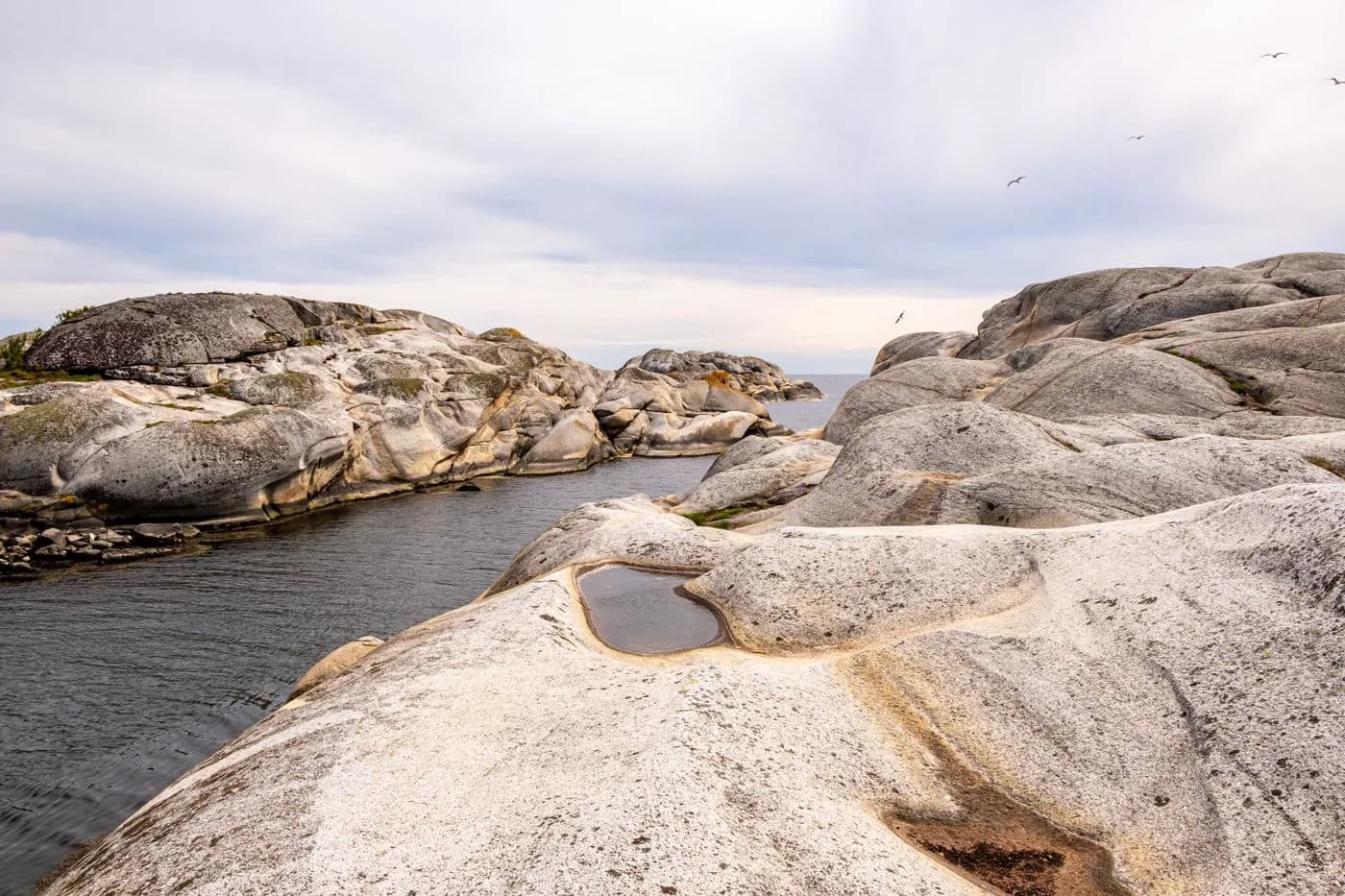
The High Coast is still rising out of the sea — the fastest post-glacial rebound on earth — which has left it with the tallest coastal cliffs in Scandinavia. Hiking trails run the ridgelines above the Gulf of Bothnia; little of it sees foreign visitors at all.
Getting there
Fly to Sundsvall or Umeå and drive. This is one of the few places on this map where a car is genuinely the right way to move around.
What to see and do in Höga Kusten
Walk the ridgelines
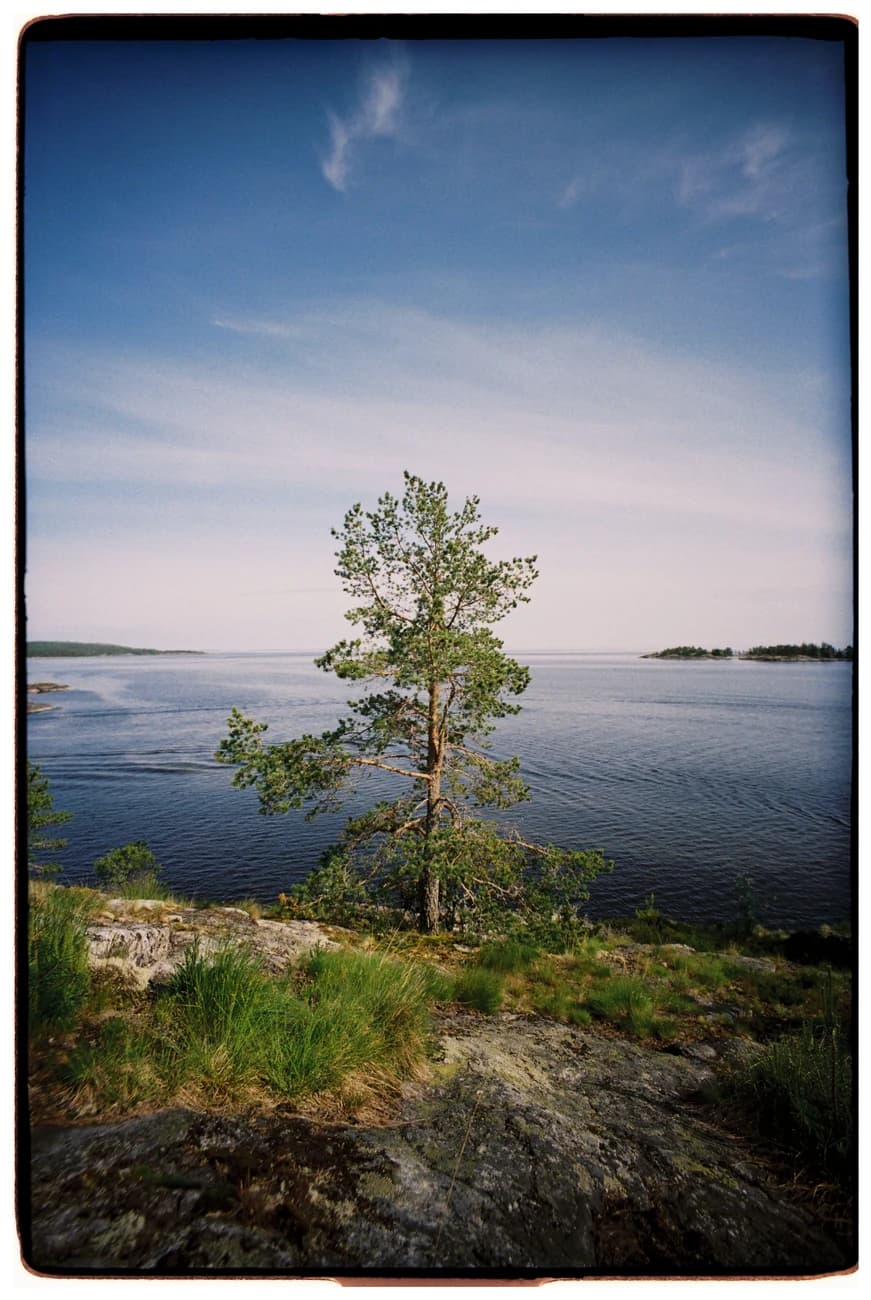
The Höga Kustenleden runs the length of the coast. You want a section of it, not the whole thing — the stretches above the cliffs are where the drama is.
Land still rising
The ground here has lifted around 300 metres since the ice retreated and continues to rise. Fishing harbours have become inland villages within living memory.
Have it to yourself
This is a UNESCO World Heritage site that most Swedes have not visited and almost no foreign visitors have heard of. That will not last indefinitely.
Arrange My Trip
When to go to Höga Kusten
Summer
June – August
Long days, warm enough to swim on a good week, and everything that is seasonal is open.
Early autumn
September
The walking is at its best — cool air, clear light, the colour turning, and no one on the trail.
Winter
December – March
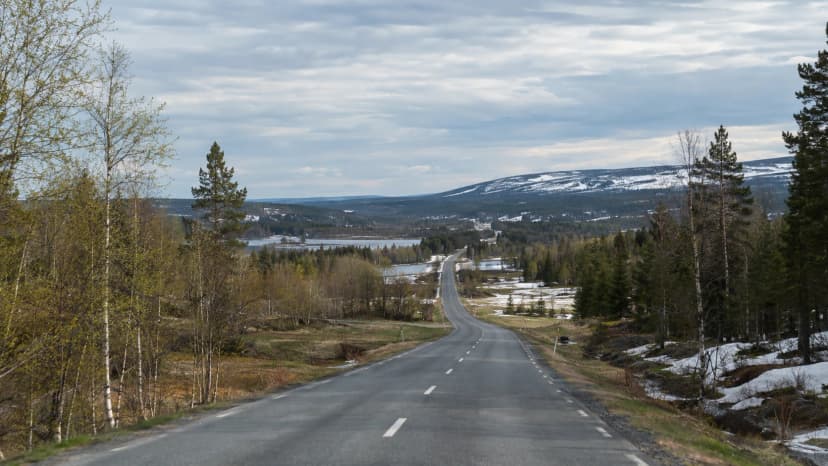
The coast freezes and empties completely. Starkly beautiful, but most of what is seasonal here is shut, so it suits a particular kind of traveller.
Höga Kusten: common questions
Anything not answered here, ask us directly — we'd rather you did.
Why is it called the High Coast?
Because it is, unusually for the Baltic, genuinely vertical. When the ice sheet that covered Scandinavia melted, the land it had been compressing began to rebound — and here it has risen further and faster than anywhere else measured on earth, around 300 metres so far and still going. The result is the highest coastline in Sweden and a landscape that is quite literally still under construction.
How much walking does it require?
As much or as little as you like. The full coastal trail runs well over a hundred kilometres, but the parts worth seeing are reachable as day walks of two to five hours from a comfortable base, and we plan it that way unless you tell us otherwise. There is no need to carry a pack or sleep in a hut to see the best of it.
Do we need a car here?
Effectively yes, and we would arrange one. This coast is a string of small harbours and trailheads spread over a long stretch of shoreline, public transport between them is sparse and seasonal, and the best places to eat are not the ones you can walk to. A car with a driver works if you would rather not drive yourself, but doing the High Coast without either means seeing a fraction of it.
Ready when you are
Travel to Höga Kusten
Every journey we design starts with one conversation. Tell us roughly when you'd like to travel and who's coming, and we'll take it from there.