Central Sweden
Fulufjället
Sweden's tallest waterfall, and something older than agriculture.
Region
Central Sweden
Best season
Jun – Sep
Best for
Walkers, and anyone who likes deep time
About Fulufjället
A high plateau in western Dalarna, hard against the Norwegian border. It holds Sweden's tallest waterfall, some of the country's oldest spruce forest, and a five-metre tree whose root system has been alive for roughly nine and a half thousand years — which makes it, by some measures, the oldest living thing you can walk to in Europe.
Getting there
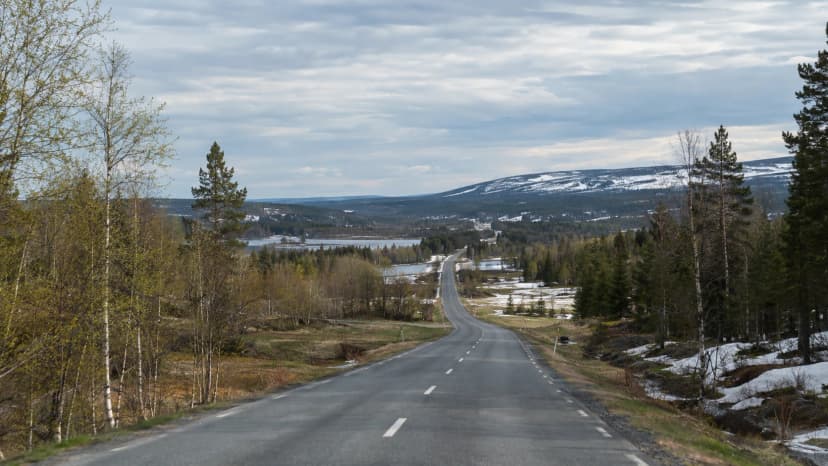
There is no quick way in, which is much of the point. Fly to Stockholm, then roughly six hours by road north-west, or fly to Mora and drive the last stretch. Most people come as part of a longer route through Dalarna rather than as a destination on its own.
What to see and do in Fulufjället
Old Tjikko
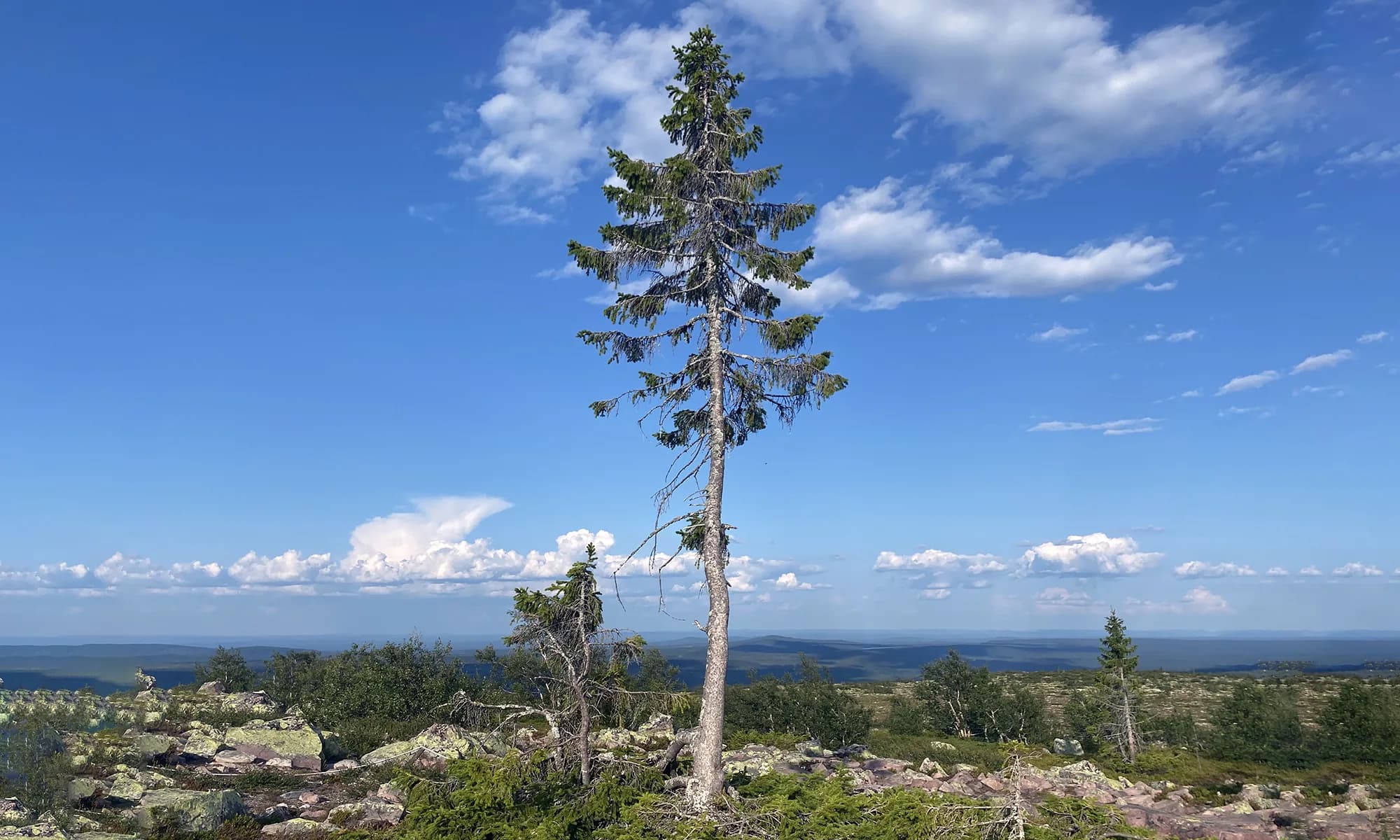
A Norway spruce whose root system carbon-dates to around 9,568 years. It is a clonal tree: the trunk you see is only a few centuries old, but the plant has regenerated itself for millennia by layering, where a branch touches ground and roots. It was found in 2004 by a researcher doing a tree-line census, and named after his dog.
Getting to it
The path towards it is small and deliberately unmarked. The park would rather not have crowds standing around a tree that has managed nine millennia without them. You go with someone who knows the ground.
Njupeskär
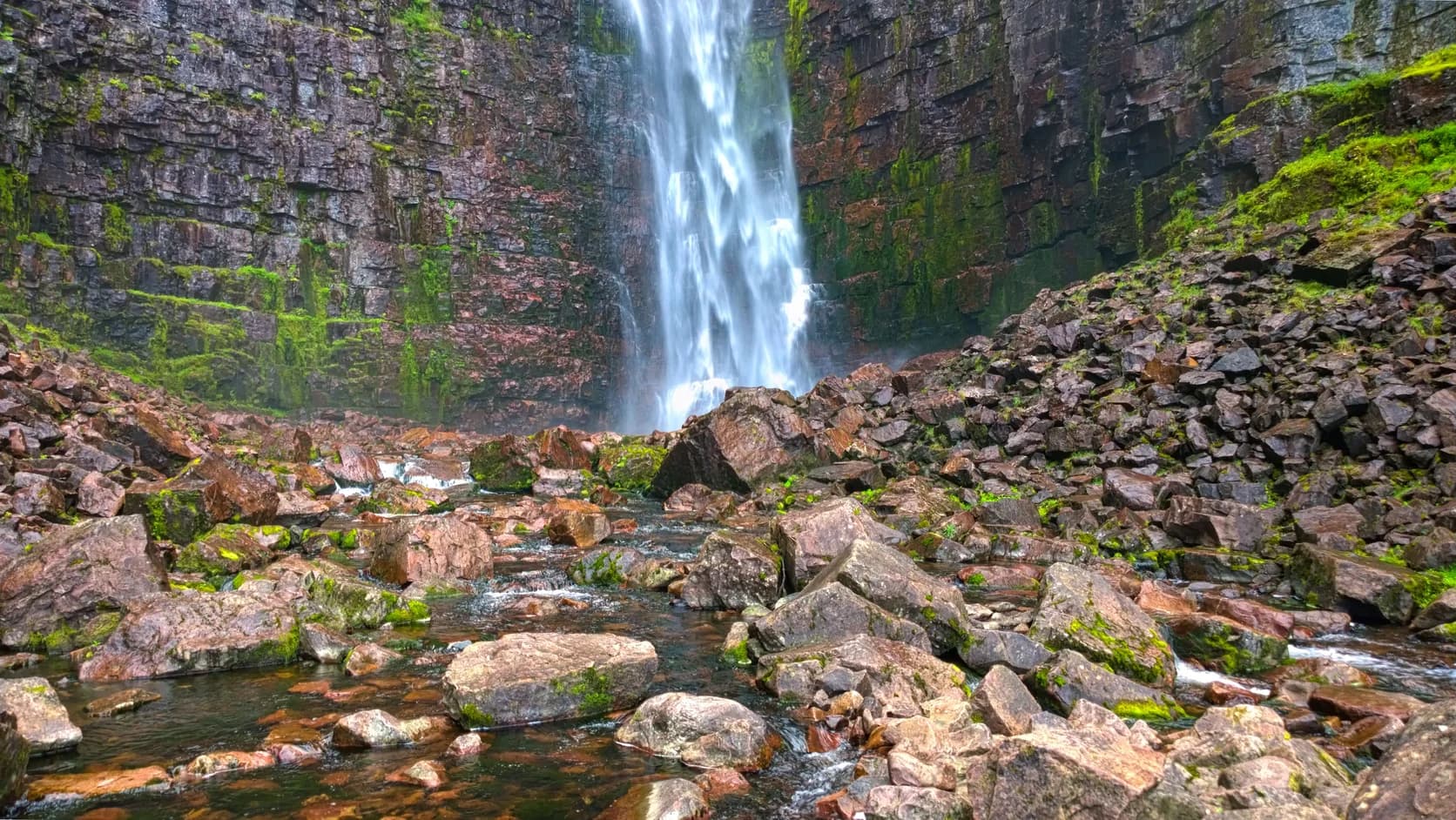
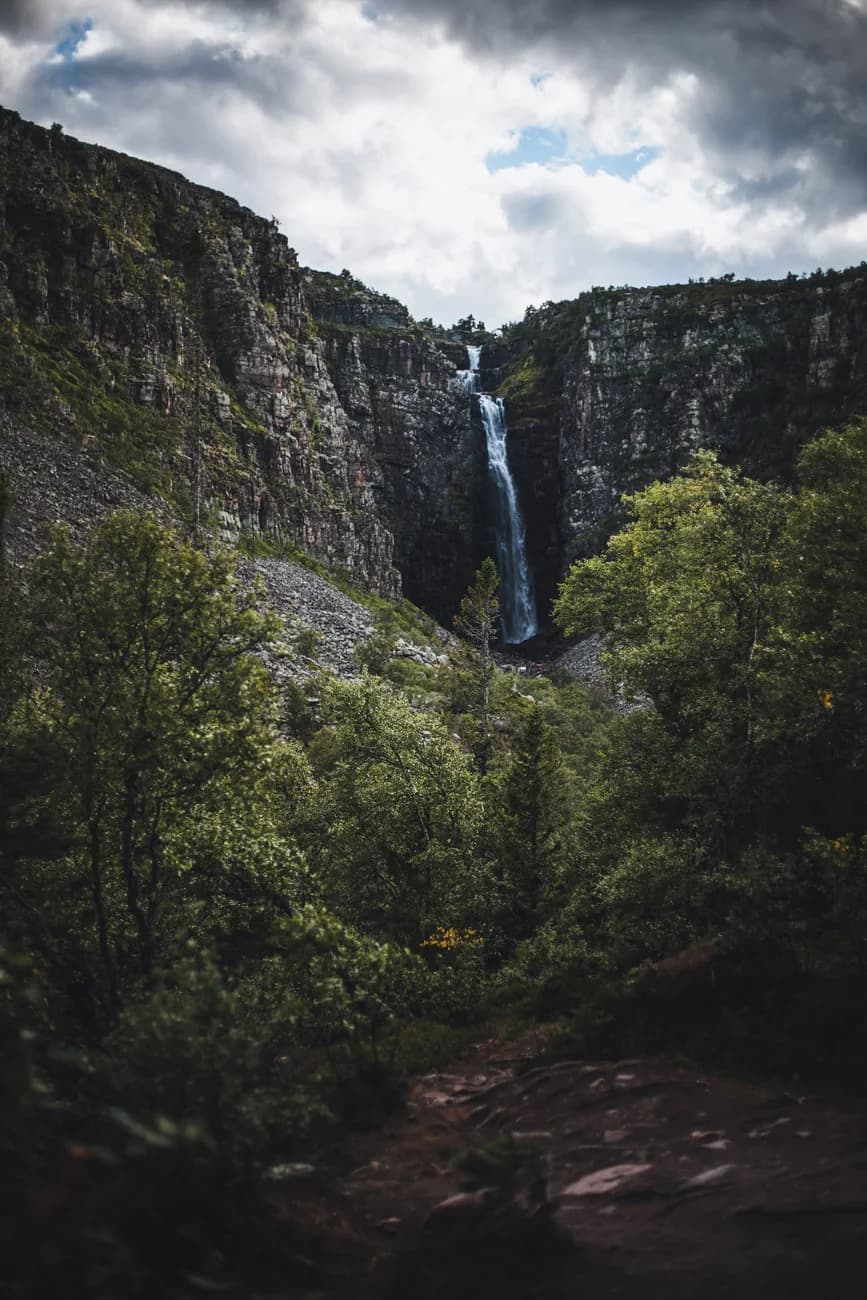
Sweden's tallest waterfall, dropping ninety-three metres off the plateau's edge. The walk up to it runs through old-growth spruce that has never been logged.
Arrange My Trip
When to go to Fulufjället
Summer
June – August
The plateau is open, the trails are dry, and the light runs long into the evening. The only months we would send anyone.
Early autumn
September
Colour on the plateau and nobody on it. Colder, shorter, and the better photograph. Weather turns quickly this high.
Winter
October – May
Snow-covered, unmarked and genuinely serious terrain. Not a season we arrange here.
Fulufjället: common questions
Anything not answered here, ask us directly — we'd rather you did.
Can we actually see Old Tjikko?
Yes, but not by following a sign. The route is a small unmarked path, kept that way on purpose so the tree does not end up ringed by visitors, and the park runs guided walks to it. We arrange a guide rather than send you looking. It is worth saying plainly that the tree itself is unremarkable to look at — five metres, scrubby, easy to walk past. What you are standing in front of is its age, and that needs someone to explain it to you.
How hard is the walking?
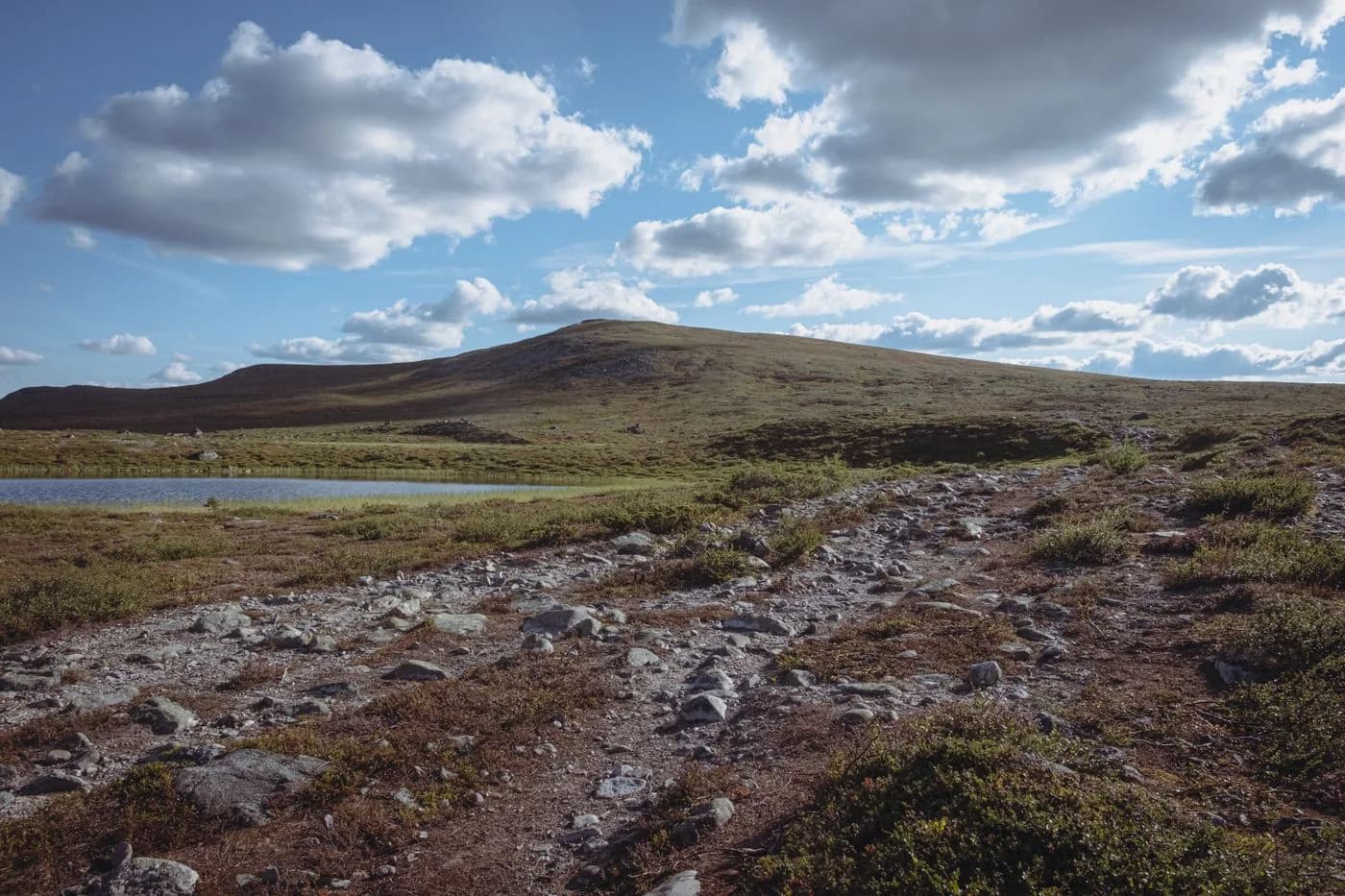
Moderate, and more exposed than the distances suggest. The plateau sits above the treeline with no shelter, so weather that would be nothing at sea level is a real factor up there. The waterfall walk is straightforward and well made. The route to the tree is longer, rougher, and depends on conditions.
Is Fulufjället worth the drive?
Only as part of a longer route, and we would not build a trip around it alone. It sits six hours from Stockholm in country most people fly over. Combined with Siljan two hours south-east, it makes sense; on its own it is a very long way to go for a day.
Ready when you are
Travel to Fulufjället
Every journey we design starts with one conversation. Tell us roughly when you'd like to travel and who's coming, and we'll take it from there.