

Central Sweden
Siljan
The province that supplies Sweden with its idea of itself.
Region
Central Sweden
Best season
Jun – Aug
Best for
Families and slow travellers
About Siljan
The lake at the centre of Dalarna, and the province that supplies most of the country's idea of itself — red cottages, folk music, midsummer poles on the shoreline. A slower, more domestic Sweden than the coasts or the north.
Getting there
Around three to four hours from Stockholm by road or rail. Best done as a drive, because the point of Dalarna is the country between the villages.
What to see and do in Siljan
Midsummer, done properly
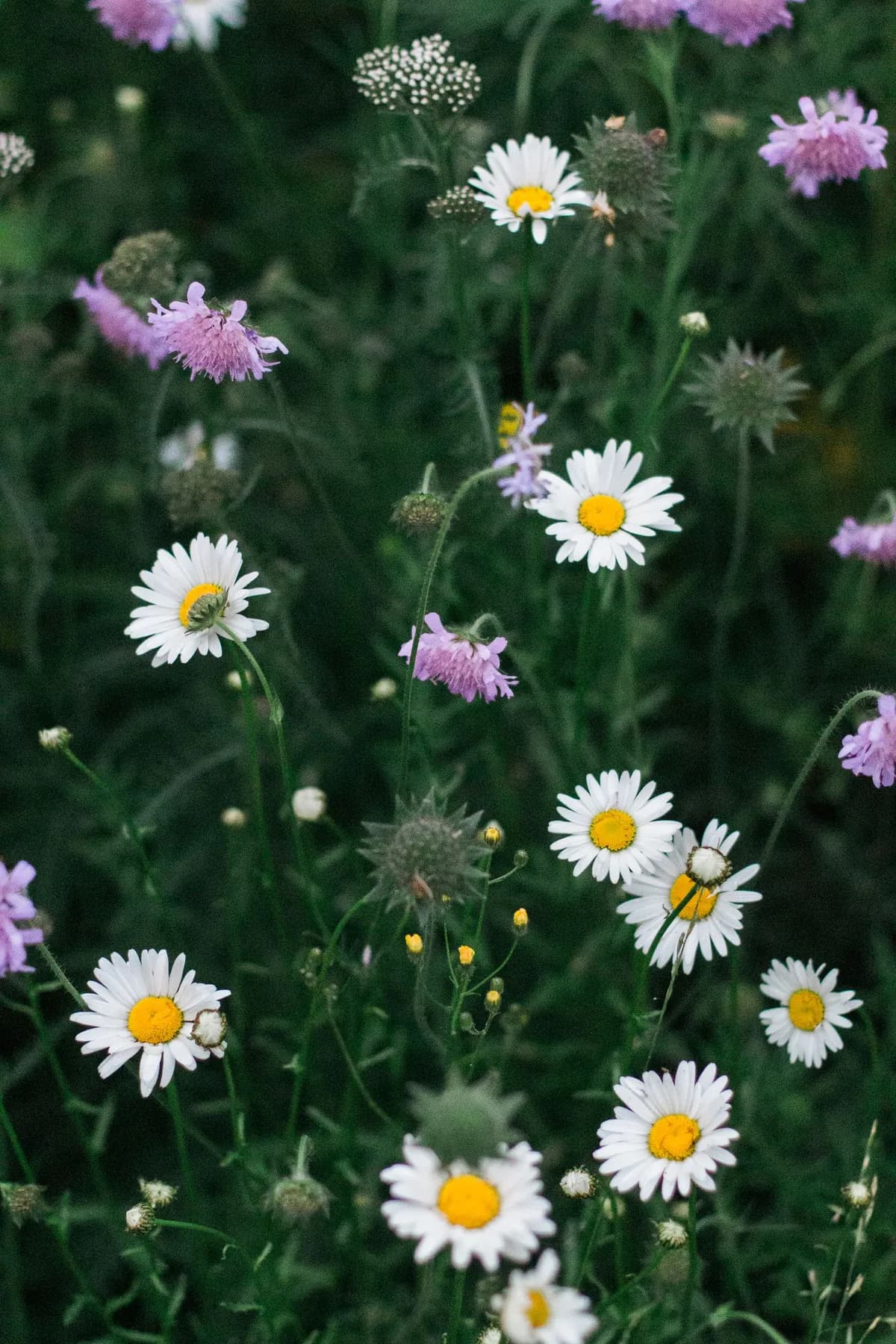
This is where the images come from. The maypole dressed in birch and flowers, the ring dances, herring and new potatoes, and the light that refuses to go. Around the lake, villages still row long church boats across the water for the celebrations. It is a genuine village event, not a staged one, and we place you somewhere you are welcomed as a guest rather than watched as an audience.
The lake itself
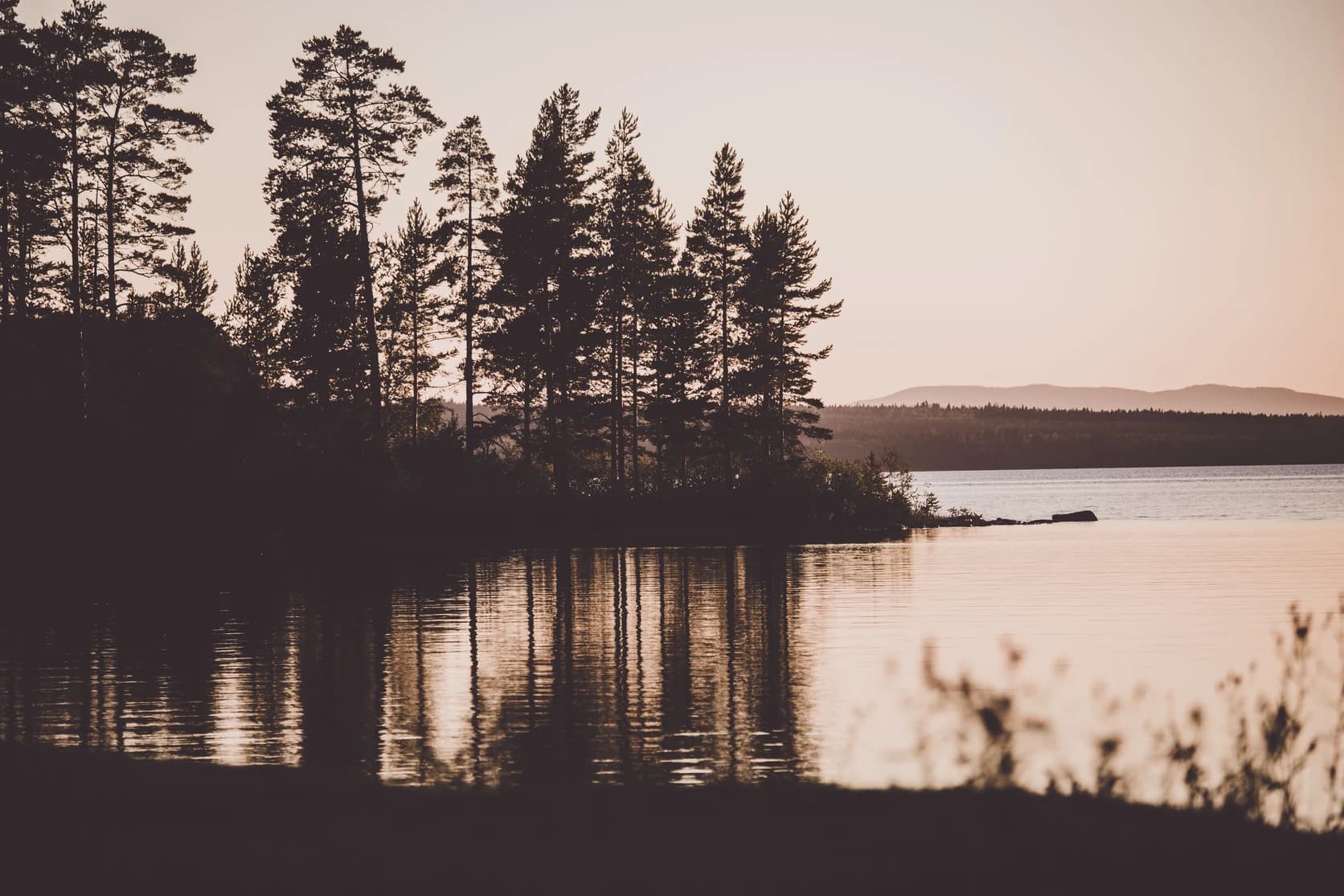
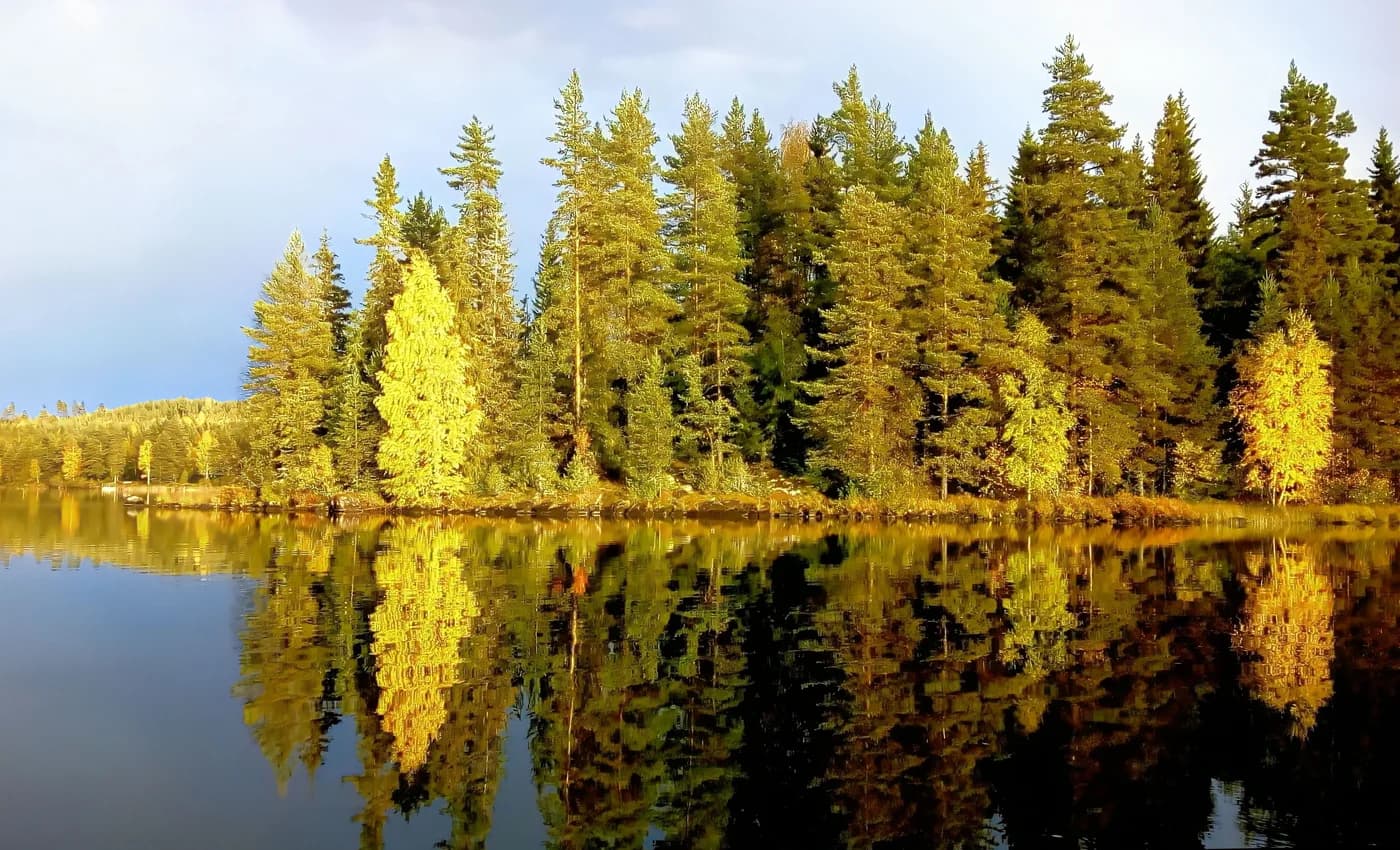
Siljan sits in a ring left by a meteorite impact around 380 million years ago, the largest known crater in Europe outside Russia, which is a considerably better fact than most lakes can offer. Today it is clear water, wooden villages and long evening light. Swim from a jetty, take a boat out, or cycle the shore between Rättvik, Tällberg and Mora, and the scale of the thing slowly becomes clear.
Workshops that still work
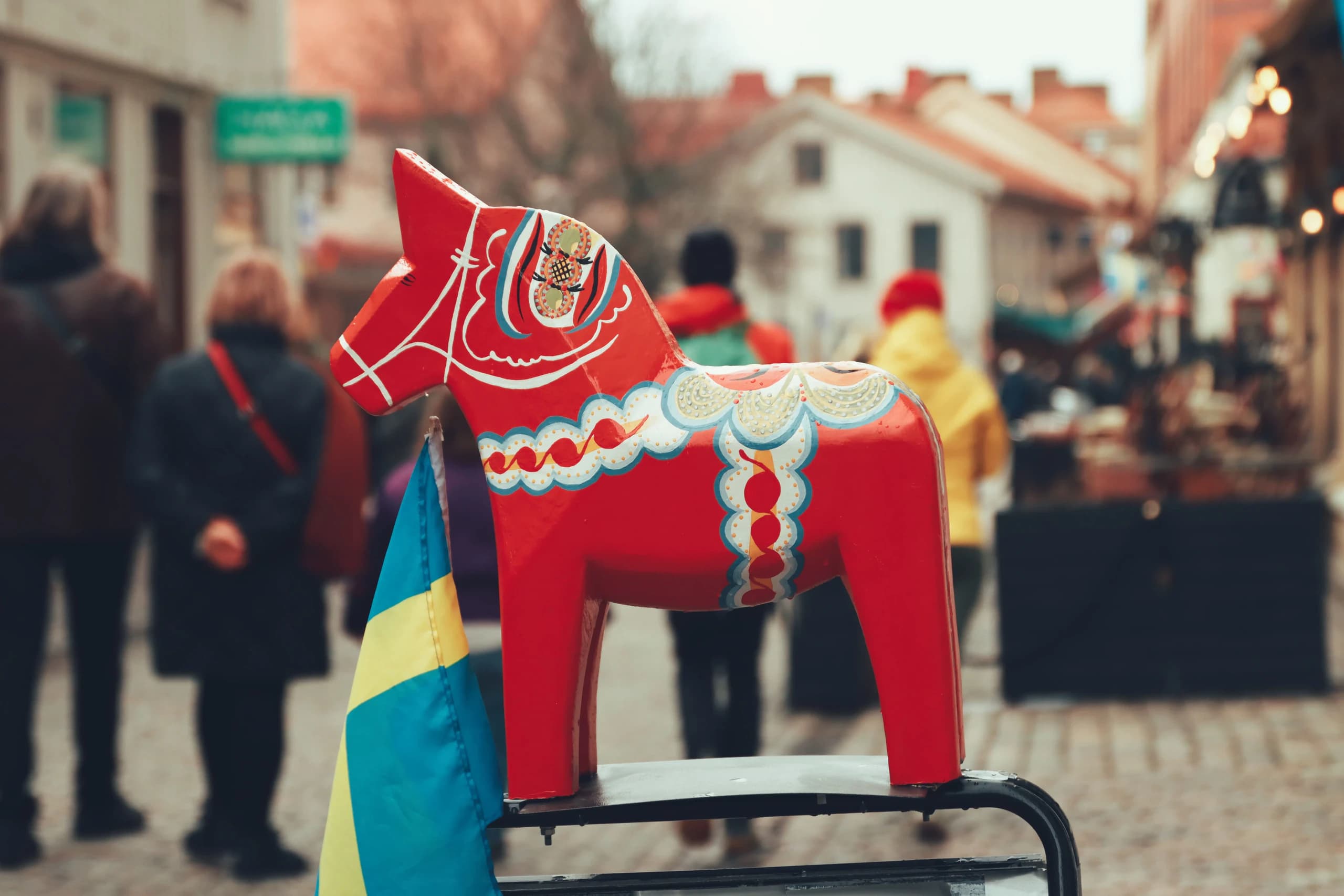
Dalarna's craft tradition has never stopped being a working trade here. In Nusnäs the Dala horse is still carved and painted by hand; elsewhere, kurbits painters, woodworkers and weavers keep a living practice rather than a museum one. We arrange time in the workshop with the people doing it, and there is usually a brush or a knife in your hand before the afternoon is out.
Plan My Trip
When to go to Siljan
Midsummer
Late June
The reason to come, and the single busiest weekend in the Swedish calendar. Book a long way ahead.
High summer
July – August
Swimming, boats, long evenings, and the quieter half of the season once midsummer has passed.
Winter
January – March
Skating on the lake in a good year, and a domestic, wood-smoke version of Sweden very few visitors see.
Siljan: common questions
Anything not answered here, ask us directly — we'd rather you did.
Is midsummer worth planning a trip around?
If you want to understand Sweden rather than simply see it, yes — and Dalarna is where to do it. Midsummer is arguably the most important day in the Swedish year, and around Siljan it is still observed in villages by the people who live in them. The caution is practical: it falls on the weekend nearest 24 June, the whole country stops, and accommodation goes months in advance. Our Midsummer guide has the 2027 dates and the celebrations around the lake.
Is this a good destination with children?
One of the best on this map. Distances are short, the lake is swimmable, the landscape is gentle rather than demanding, and the folk traditions are exactly the kind of thing children engage with. It is the opposite of an expedition, which for a family is often the point.
Is there anything to do around Siljan in winter?
More than most visitors expect, though it is a quieter proposition than summer. In a cold year the lake freezes hard enough to skate on, there is cross-country skiing through the forest between villages, and the craft workshops keep working right through. What you get is the domestic, wood-smoke version of Dalarna that almost no foreign visitor sees — and near-empty accommodation outside Christmas week.
Where should we celebrate midsummer in Dalarna?
Around Siljan. Leksand, Rättvik, Tällberg and the villages near Mora all hold their own celebrations; Leksand's is the best known and the largest. Smaller village maypoles are quieter and, for most of our guests, better. We choose by what you want from the day.
What is the Siljan Ring?
The remains of the largest known meteorite impact in Europe outside Russia, around 380 million years old. Lake Siljan and the smaller lakes around it lie in the ring the crater left behind, which is why the lake has the shape it does.
What does the Dala horse mean?
It began as a toy, carved by woodworkers in the villages around Mora through the long winters, and became first the emblem of Dalarna and then of Sweden. The painted horses sold today still come from Nusnäs, near Mora, where the workshops have made them by hand for generations.
Ready when you are
Travel to Siljan
Every journey we design starts with one conversation. Tell us roughly when you'd like to travel and who's coming, and we'll plan it from there.