South & Gotland
Falsterbo
The last land before the crossing. In autumn, the sky is full.
Region
South & Gotland
Best season
Aug – Nov
Best for
Birdwatchers, photographers, and the patient
About Falsterbo
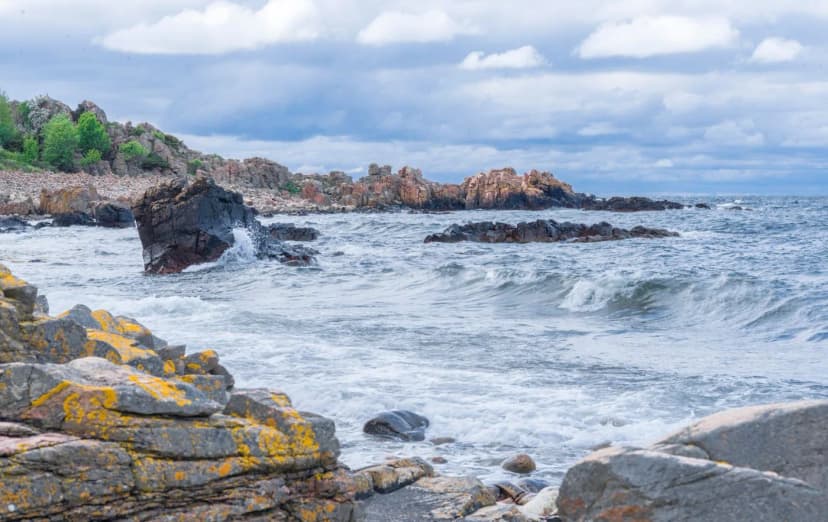
A low sand peninsula at the extreme south-western tip of Sweden, where the coastline funnels migrating birds into the narrowest possible crossing point. For six weeks every autumn it is one of the great migration watchpoints in Europe, and for the rest of the year it is a very quiet beach.
Getting there
Copenhagen airport is around forty-five minutes away by road across the Öresund bridge, which makes this one of the easiest places in Sweden to reach from anywhere in Europe. Malmö is roughly half an hour.
What to see and do in Falsterbo
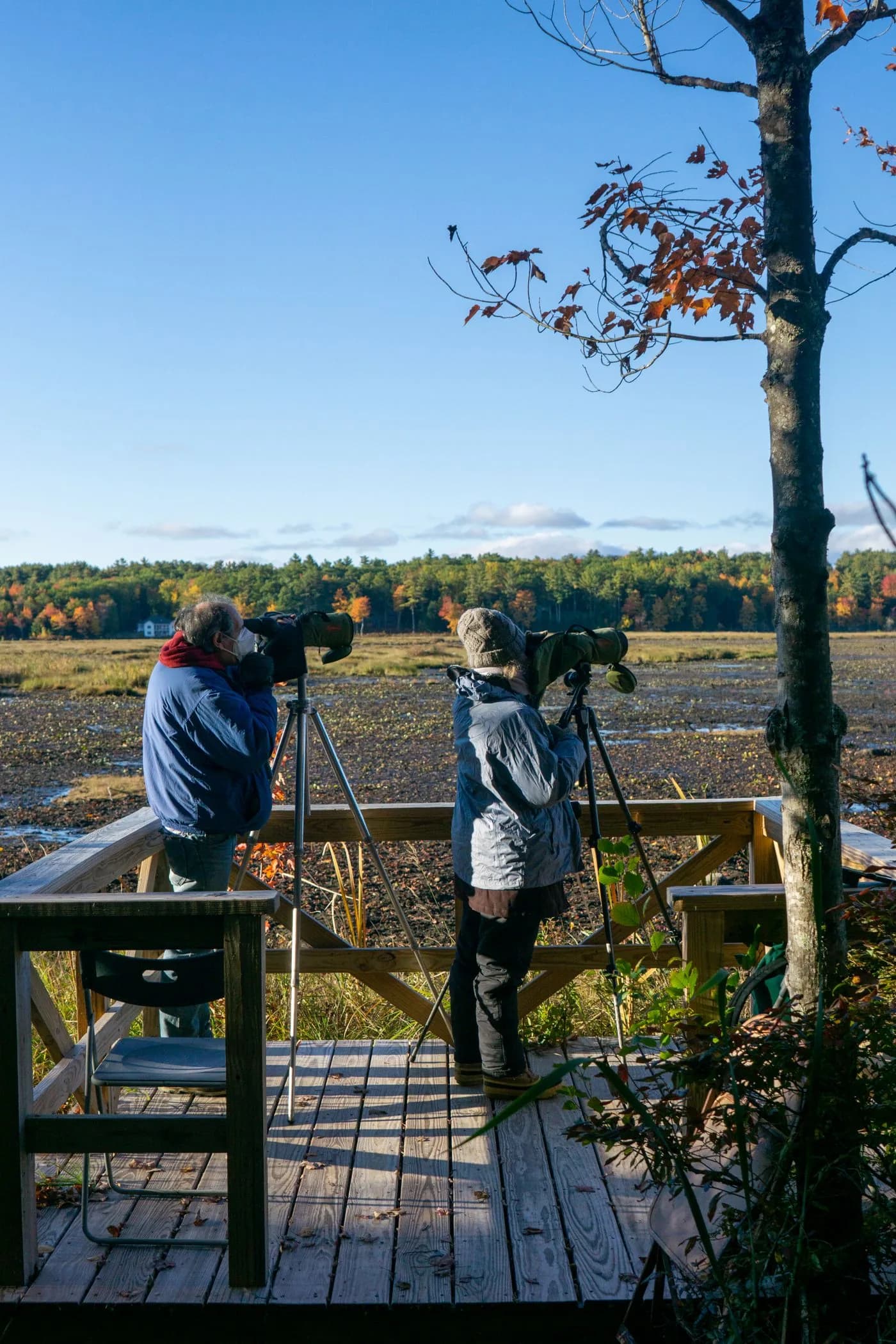
Nabben, at first light
The southernmost point of the peninsula, and the spot the counts are made from. Standardised daily counting has run here since 1973, beginning half an hour before sunrise regardless of the weather.
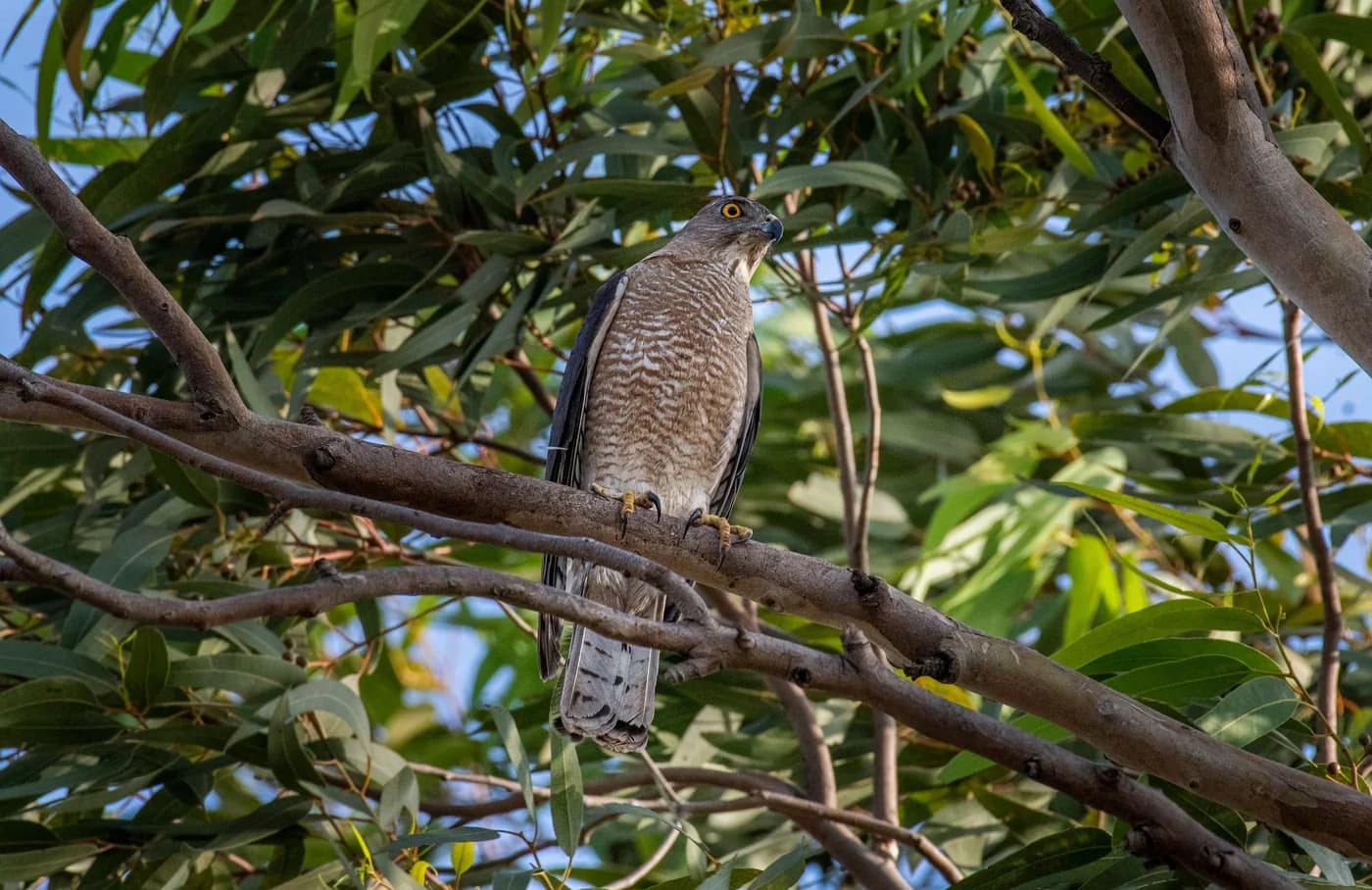
Raptors, in numbers
More than twenty species of birds of prey are recorded in a normal autumn — honey buzzards and sparrowhawks in quantity, with harriers, kites, falcons and eagles among them.
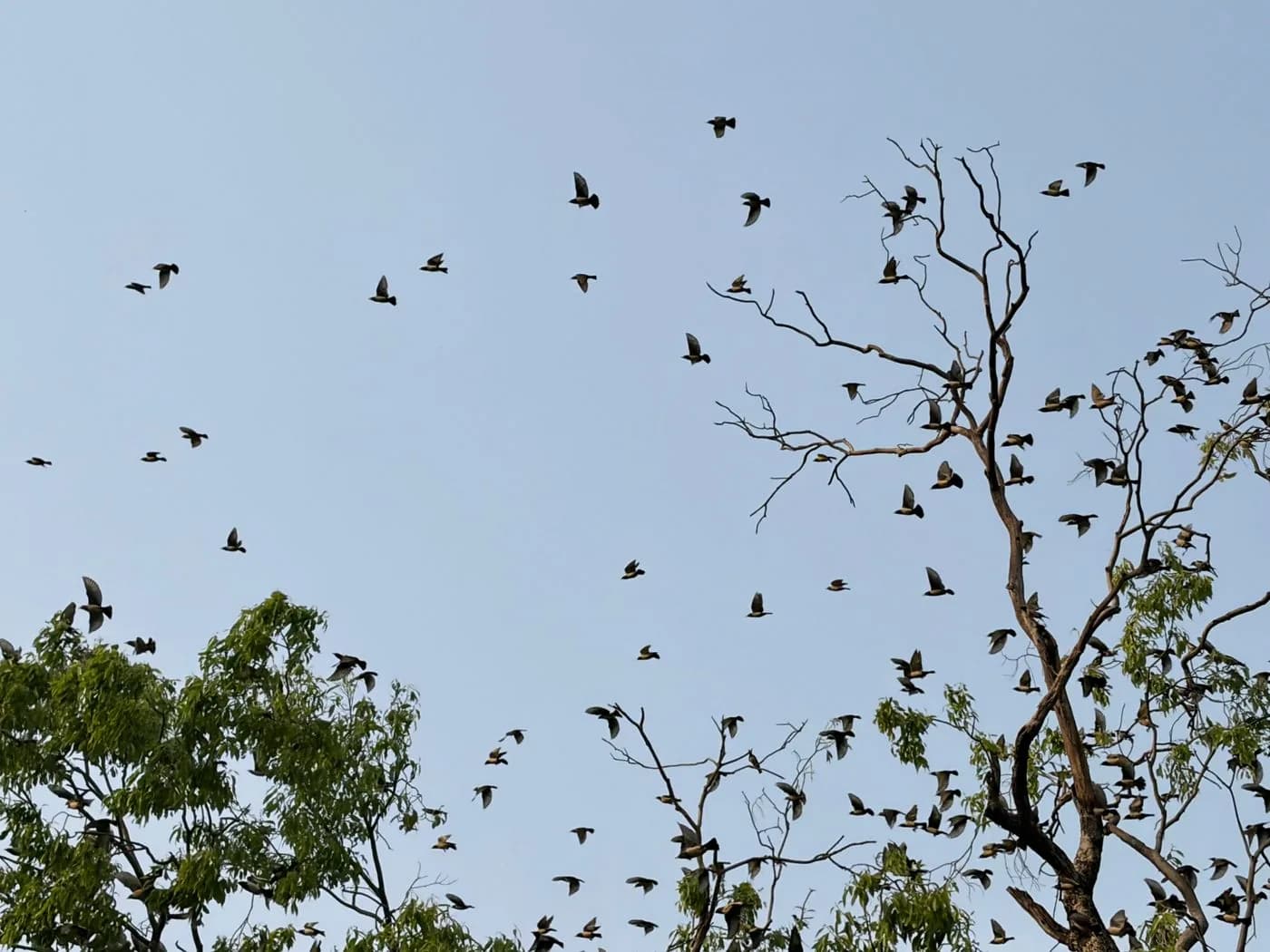
The mornings that are not about raptors
On the right October day the passage is finches instead: chaffinches and bramblings in tens of thousands, moving overhead in a continuous stream for hours.
Arrange My Trip
When to go to Falsterbo
Early passage
August – early September
The first honey buzzards come through, often in groups. Warm, quiet, and a gentler introduction than the peak.
Peak
Late September – October
The reason to come. Daily counts run to thousands, and on the strongest days the sky is not empty in any direction.
Winding down
November
Numbers fall away and the weather turns. The observation season formally runs to 20 November.
Falsterbo: common questions
Anything not answered here, ask us directly — we'd rather you did.
When exactly should we come to Falsterbo?
Late September into October, if the birds are the reason you are travelling. The passage runs from August to late November, but the concentration of both numbers and species peaks in that four-week window. Weather matters more here than dates: south-westerly winds produce the best days, and a still, clear morning after a night of them is what everyone is waiting for. We would plan several mornings rather than one, because a single day can be quiet.
Do we need to be birdwatchers to enjoy it?
No, though it helps to know what you are looking at. The spectacle on a strong day is a matter of sheer volume rather than rarity — tens of thousands of birds moving overhead in the same direction for hours — and that reads to anyone. A guide is the difference between watching a lot of birds and understanding what is happening, and we would arrange one.
Is there anything at Falsterbo outside the migration?
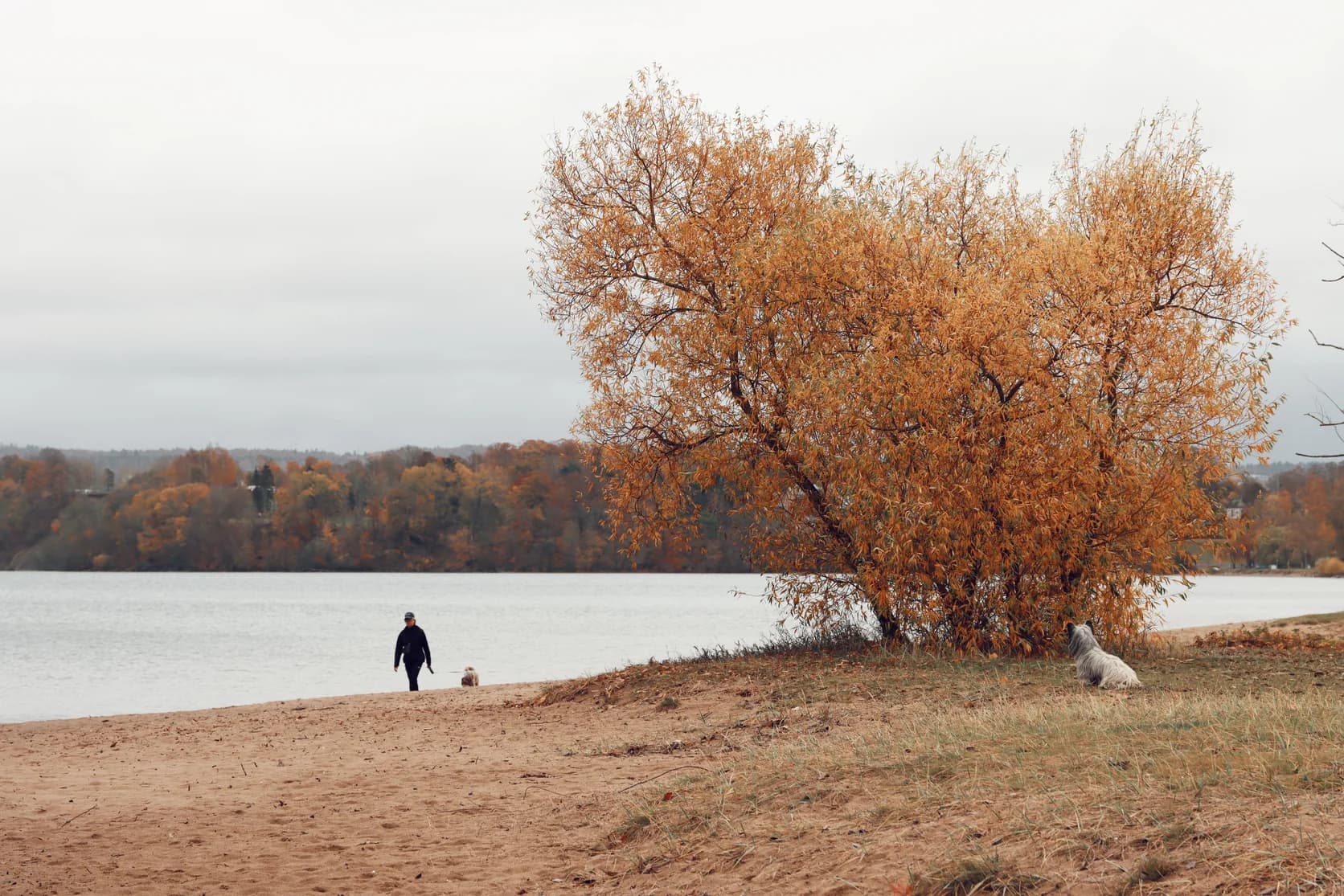
Long empty beaches, a lighthouse, and very little else, which for some people is the appeal and for others is the reason to go elsewhere. We would be straight with you: outside August to November, this is a place to spend an afternoon rather than a journey to build around.
Ready when you are
Travel to Falsterbo
Every journey we design starts with one conversation. Tell us roughly when you'd like to travel and who's coming, and we'll take it from there.