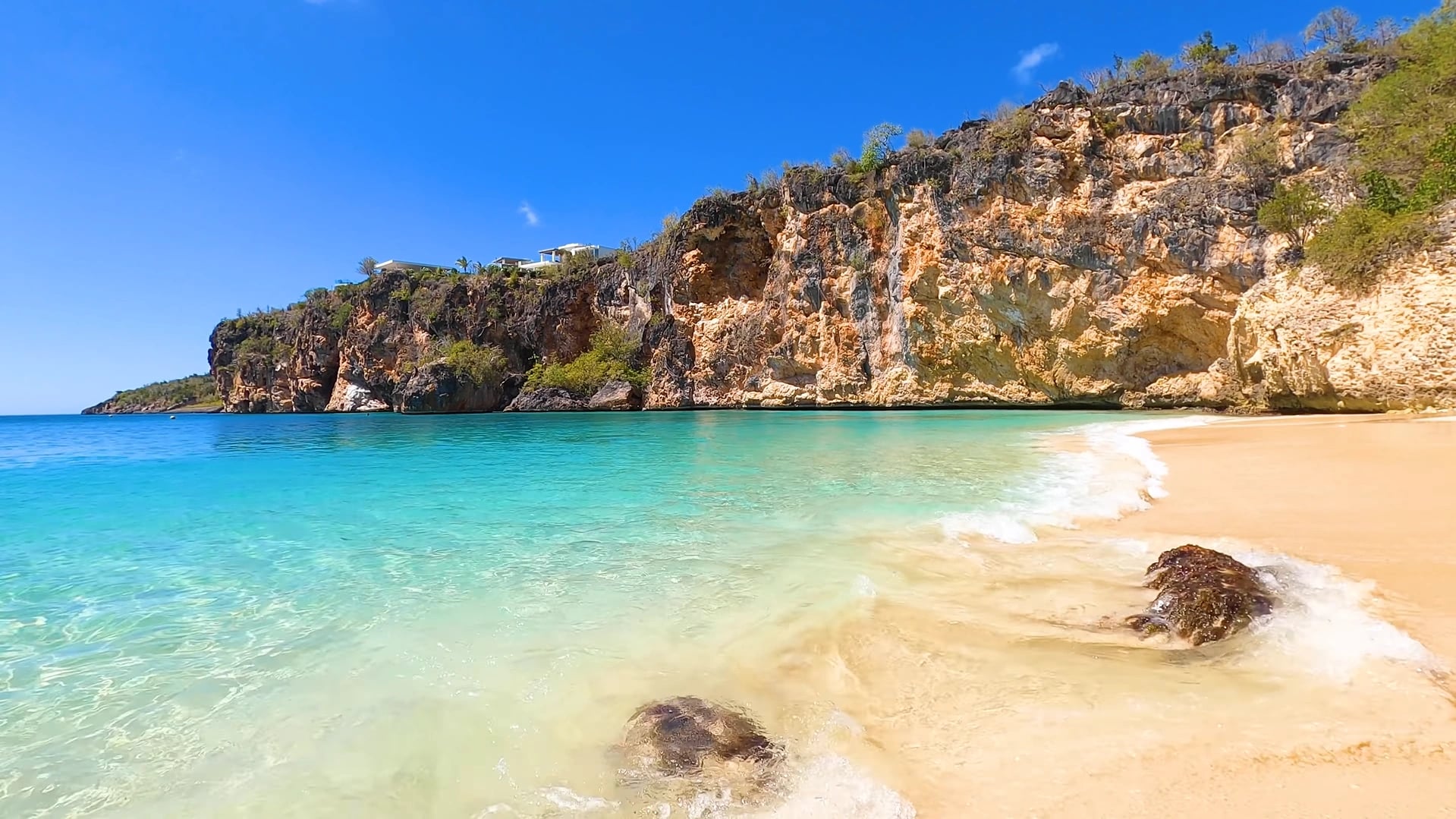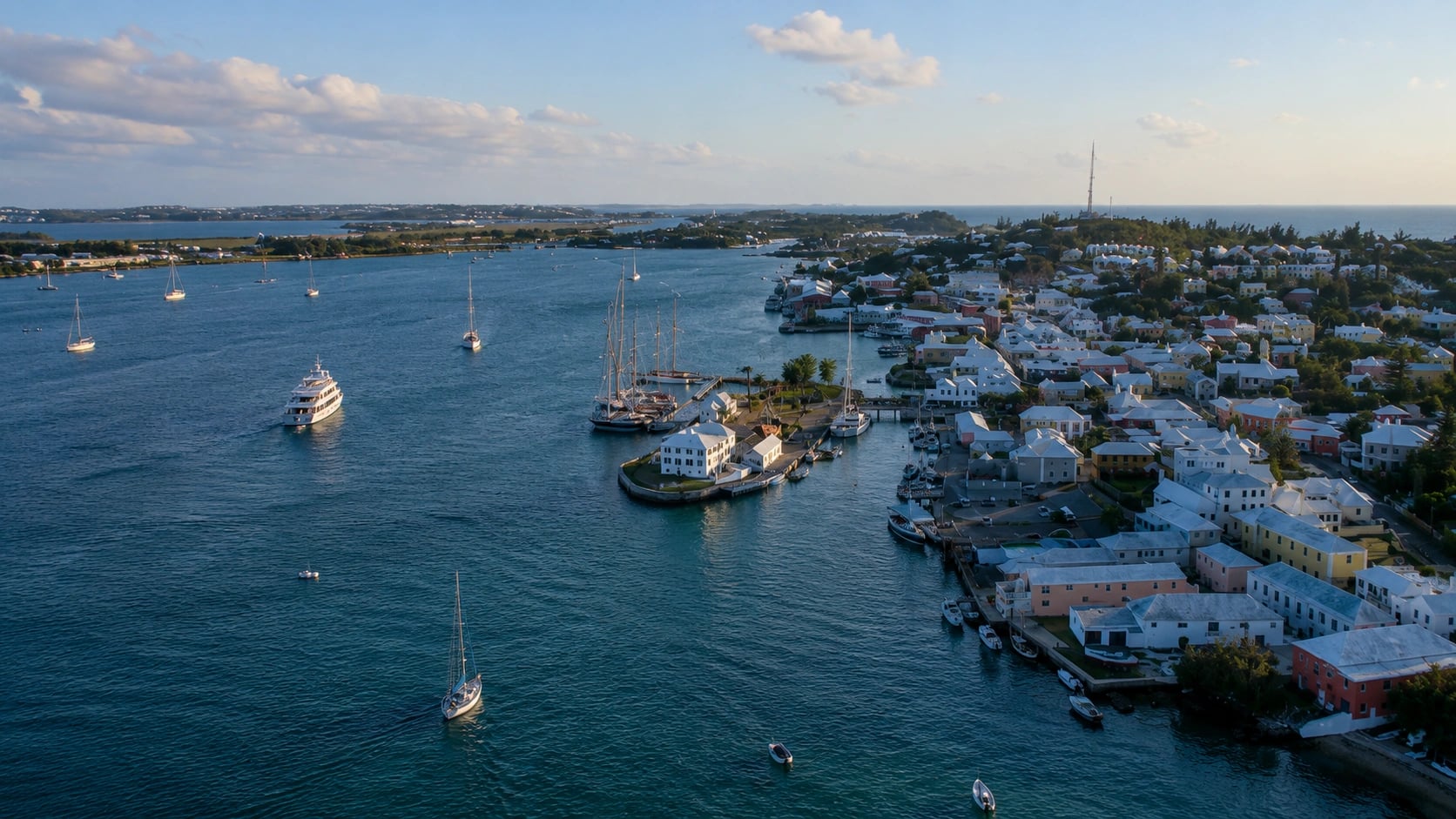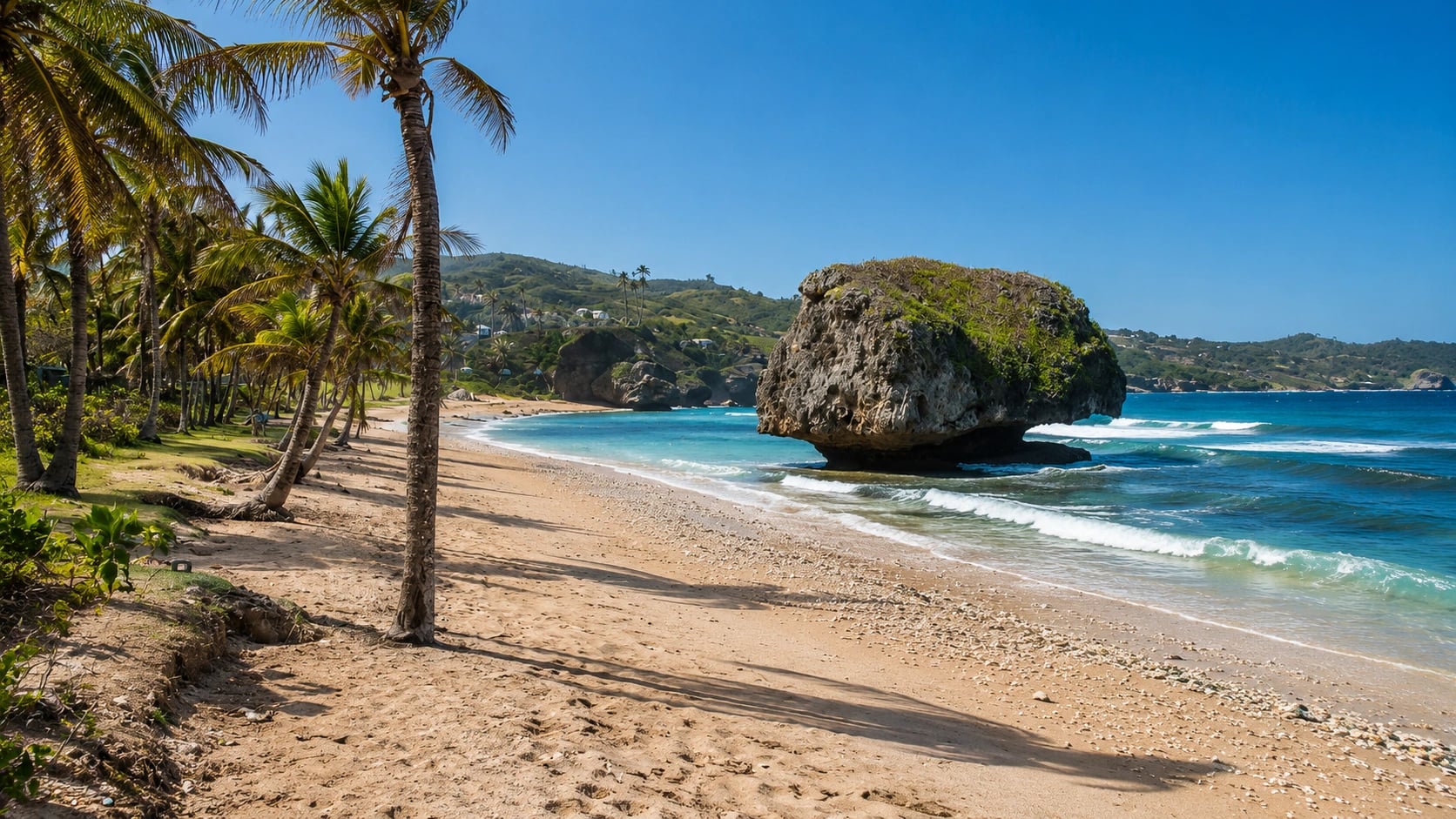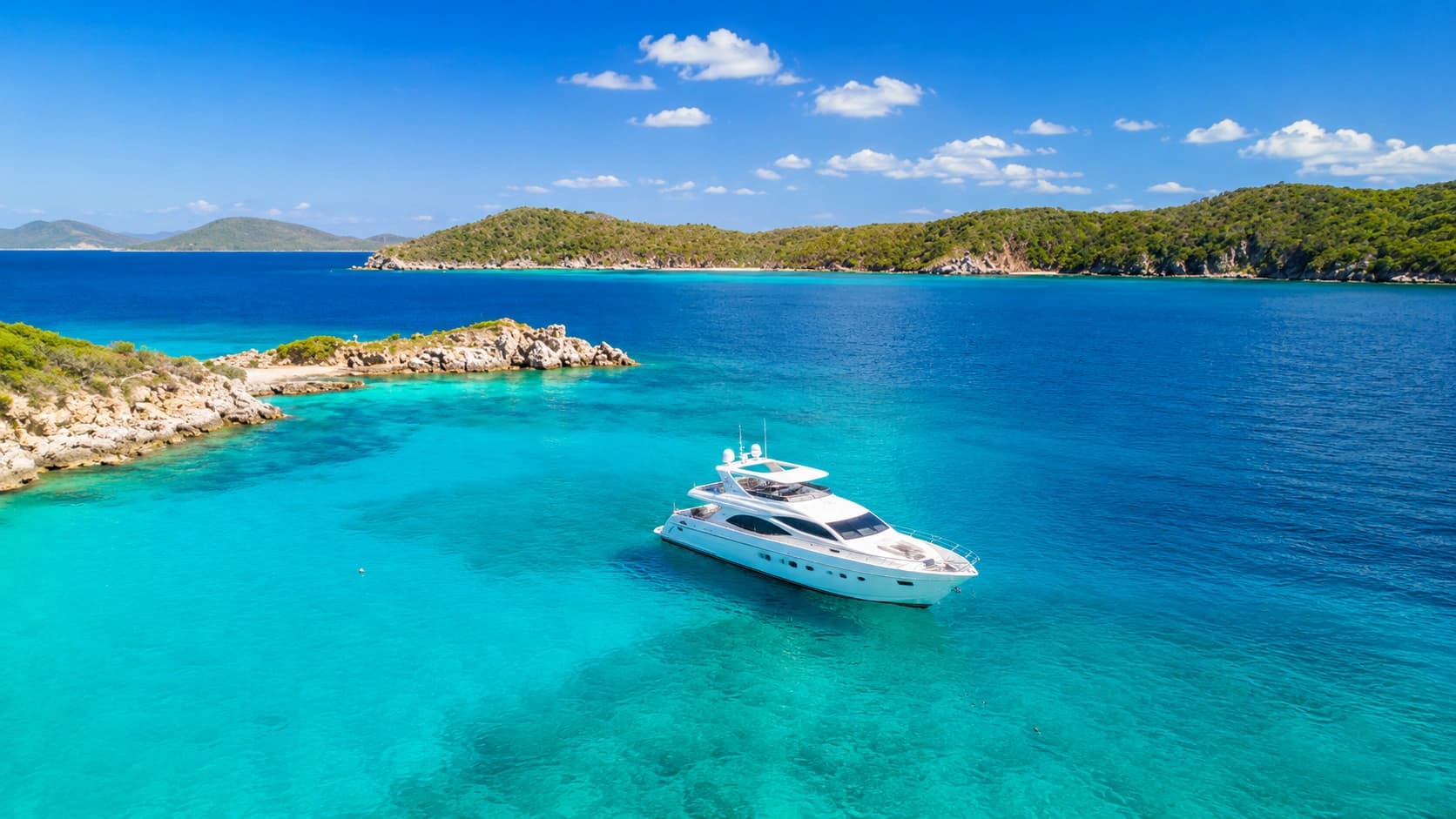
The Caribbean, for almost everyone, is a single thing held very still: a beach, a resort behind it, a week spent largely within sight of one stretch of sand. You fly to an island, you stay on the island, and the island is the holiday. It is a reliable formula and a pleasant one, and it is also, in a particular way, a misunderstanding of what this sea actually is. The Caribbean is not a collection of fixed points. It is water with islands in it. And the difference between treating it as the first and the second is the difference between most Caribbean holidays and the British Virgin Islands.
Because the British Virgin Islands were never built around the single beach. They are an archipelago of some sixty islands and cays, most of them small, most of them uninhabited, scattered across a stretch of sheltered sea barely thirty-five miles wide. No island here is more than a short sail from the next. The whole place is arranged, by geography and by long habit, around movement: you do not arrive at one island and stop, you move between them, by water, with the next anchorage already in view. It is, by common agreement, the finest cruising ground in the world, and the experience it is shaped for is not the stay but the passage.
And at the far northeastern end of it, where the chain runs out toward the open Atlantic, there is a sheltered bay ringed by islands, Virgin Gorda on one side, a scatter of smaller islands closing the others, that is the calmest and most private water in the group. This is the North Sound. Several of the islands that enclose it are held whole and private, so that the apex of the idea this place is built on is reached here: not a room on a beach, but an island of one's own, with the sea it sits in arranged for moving across.
This is where this begins.
What the country actually is.
The British Virgin Islands are a British Overseas Territory at the northeastern edge of the Greater Antilles, just east of Puerto Rico and immediately adjacent to the American Virgin Islands across a narrow strait. They are the geological continuation of Puerto Rico's mountains, volcanic, hilly, and green, drowned to the point where only the summits stand above the water, which is why the place reads as a sea full of steep little islands rather than a few large ones. Two roughly parallel lines of them run east to west for about thirty-five miles, and the long protected channel between those two lines, the heart of the cruising ground, is named for the English privateer Sir Francis Drake, who passed through it in the sixteenth century. The total land area is tiny, a little over a hundred and fifty square kilometres, and the population is small, around thirty thousand, the great majority of them on the one substantial island, Tortola.
The four main islands give the group its range. Tortola is the largest and the working centre, rising to Mount Sage at just over five hundred metres, with the capital, Road Town, and the airports and harbours that the rest of the islands hang off. Virgin Gorda, the fat virgin, as Columbus named it, holds the group's strangest landscape at the Baths, where house-sized granite boulders tumble to the shore and form a maze of grottoes, tidal pools, and sea-lit passages, and at its northeastern end opens into the North Sound. Jost Van Dyke is the barefoot island, three square miles of beach bars that sailors have made famous out of all proportion to their size. And Anegada is the outlier that proves the rule: alone among them it is not a volcanic peak but a flat coral atoll, barely a few metres above the sea, ringed by one of the largest barrier reefs in the world, a hazard to ships, a paradise of lobster and flamingos and empty sand, and a different country from the green peaks of the rest.
The history is written in the water. Columbus named the whole chain in 1493, Santa Úrsula y las Once Mil Vírgenes, after the saint and her eleven thousand companions, for the sheer number of islands he was counting. For the two centuries after, this was privateer and pirate sea, sheltered, intricate, and easy to disappear into: Norman Island, at the channel's western mouth, is the island long claimed as the model for Stevenson's Treasure Island, and the names on the chart still read like a ledger of who hid where. The plantations and the slavery that followed left their mark as everywhere in the region, abolished here in the eighteen-thirties. What pulled the islands into the modern world was not agriculture but the sea itself, the realisation, in the second half of the twentieth century, that this was the most sheltered and most beautiful sailing water in the hemisphere, and the chartering industry that grew up around that fact and still defines the place.
“Sixty islands in a sea thirty-five miles wide, most of them empty, none of them far from the next. Named for eleven thousand virgins, sailed by privateers, and built for moving through rather than staying on.
What the islands hold.
The particular gift of the British Virgin Islands is that the sea between the islands is the destination. The trade winds blow steady and warm, the two lines of islands shelter the channel from the Atlantic swell, and the next anchorage is almost always in sight of the last, which makes this the rare stretch of ocean where serious sailing and complete ease are the same activity. A week here is a route, not a base: a morning at the Baths, a lunch at anchor off a cay no one else has reached, a snorkel over the wreck of an old mail ship, a night moored in a bay with the lights of three other islands on the horizon. And the North Sound is where this resolves into its most private form. The sheltered bay at Virgin Gorda's tip is enclosed by islands held whole and unshared, so that the model at its best is not a hotel at all but an island taken entire, staffed, stocked, and given over completely to the people on it, with the whole cruising ground spread out beyond the reef as the day's choice of where to go next. It is the rare place where the grandest version of the holiday and the most natural one turn out to be identical.
How it feels to be there.
The rhythm is set by the wind and the water. Mornings are bright and already warm, the trade wind picking up across the sound, the day's question simply which island to point at, the reef off Anegada, the boulders at the Baths, an empty beach reached only by boat. The middle of the day belongs to the water itself: the snorkel, the swim, the long lunch at anchor with the engine off and nothing audible but the rigging and the sea. The afternoons soften, the light goes gold on the green hills, and the evenings on a private island in the North Sound are quiet in a way the busier Caribbean rarely manages, no town, no traffic, the other islands reduced to a scatter of distant lights, the stars uninterrupted over the Atlantic. The contrast with the single-beach week is the whole point: nothing here is fixed, the view changes with the tide and the chosen course, and the place rewards the traveller who treats it as a sea to be moved across rather than a room to be sat in.
What we look for when we plan a stay here.
The British Virgin Islands reward a trip that takes the sea seriously, that treats the islands as a route rather than a single address, and gives the water the days it deserves. The right stay pairs a genuinely private base, ideally an island of its own in the calm of the North Sound, with the boats and the crew to make the whole archipelago reachable from it. The logistics of doing this at the right standard are entirely a matter of the vessel, the people who run the island, and the timing of the arrival across the water.
What we look for here: a private island setting in the shelter of the North Sound, staffed and run so that nothing intrudes and the sea is the only thing asking anything of you. The right boats on hand, for the day sails, the diving and snorkelling, the runs out to Anegada and the empty cays, and crew who know these waters and their weather. Real seclusion rather than the appearance of it, which in this archipelago means an island, or a corner of one, with its own water around it. And a plan that uses the whole cruising ground, so the privacy of the base and the freedom of the sea are had at once.
Through our network we have access to private-island arrangements in the North Sound, and to the crewed yachts, day boats, and crew that connect them to the wider archipelago, that sit within this standard, wholly private, fully staffed, and matched to the season and the shape of the trip. Each is assembled personally and handled end-to-end, from the arrival on the water to the last island.
Who the British Virgin Islands are right for.
Not, particularly, those who want a single polished resort with everything within a few steps of the sun lounger and no reason to leave it. The British Virgin Islands are for travellers who understand that the sea is the attraction, and that the place opens up the moment you get onto the water rather than staying beside it.
This is for those drawn to the sea, to sailing and to a sea built for it, to diving and snorkelling and the reef, to the simple freedom of choosing a different island each day. For families who want a private island and the run of a sheltered sound, with enough to do on the water to mark a child for life. For couples who want genuine seclusion over a crowded beach. For the sailor, for whom the place needs no argument at all. And for the seasoned traveller who has grasped that the most rewarding version of the Caribbean is rarely the one you land on and stay put.
Sixty islands drowned to their summits, a sea sheltered by two lines of them, the steadiest trade winds in the hemisphere, and a far corner calm and private enough to be had whole. The single-beach week that most people picture is the smallest possible use of all this, and the argument for going is the argument for getting onto the water, where the Caribbean stops being a place you land on and becomes one you move through.
When to visit the British Virgin Islands
The islands are warm and trade-wind cooled year-round, and the calendar is really a choice between the busy dry months and the quieter green ones. The high season runs roughly December through April: dry, sunny, the steadiest sailing conditions, and the social height of the season around the New Year and the spring regattas, the most reliable weather and the liveliest water. The shoulder months of late April through June are the connoisseur's window, still dry and settled, warmer, and far quieter on the sea. The summer and early autumn, roughly August through October, are the heart of the Atlantic hurricane season, lower and quieter, with the small but real possibility of a storm; the best private arrangements watch the forecast closely and plan around it. As a general rule, come in the winter and spring for the prime sailing and the settled weather, and in the shoulders for the same sea with far fewer boats on it.
How to get to the British Virgin Islands
There is no long-haul gateway in the territory itself, which is part of what has kept it as it is. Most arrivals come via a regional hub, San Juan in Puerto Rico, or one of the larger neighbouring islands, and then a short connecting flight to Beef Island (EIS), the airport beside Tortola, or a fast transfer across from the airport on neighbouring St Thomas. From there the islands are reached as they were always meant to be: by water. The North Sound and its private islands are served directly by boat, and the final leg, the run across the sheltered sea to the island itself, is the proper beginning of the trip rather than the end of the journey. Private jets route into the regional gateways and on to Beef Island, with the sea transfer arranged to meet it. We coordinate the connection, the crossing, and the timing of the whole route ourselves.
Where to stay in the British Virgin Islands
A considered trip here is organised around the water, and the best of them give the sea the leading role. A private island in the North Sound is the natural base, sheltered, secluded, and within easy reach of the whole cruising ground, and the place to give the most days. The wider archipelago is the itinerary: the Baths and the channel anchorages, the barefoot bars of Jost Van Dyke, the reef and the lobster and the emptiness of Anegada, the cays with no one on them. The boat is what joins it all. A week can stay close to the sound and let the islands come to it; a longer or more ambitious trip ranges the length of the chain and out to the reef.
We do not publish a property list. The private-island settings and the yachts we arrange across the North Sound and the wider archipelago are matched once the brief is clear, the island taken whole for the seclusion, the right vessels for the sailing and the diving, the crew who know the weather and the water. What we will say is that the right British Virgin Islands trip is almost never the one that books a single beach and stays on it. It is the one that takes to the water, where the sixty islands the Caribbean keeps out here are arranged for moving through.