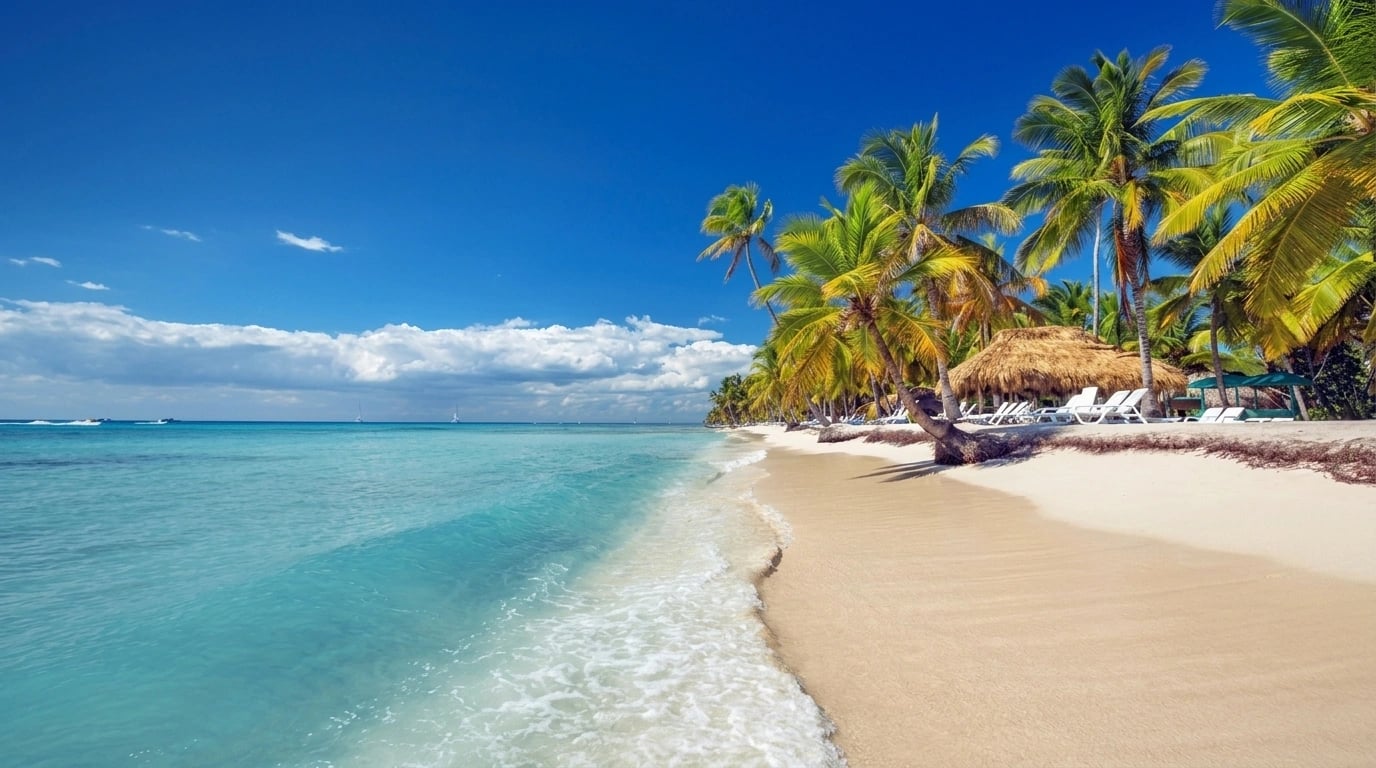
There is a version of the Caribbean that arrives in the imagination fully formed, a strip of identical beach hotels, a swim-up bar, a wristband, a beach raked smooth each morning for a clientele that could be anywhere. A great many islands have built it, because it sells, and it delivers exactly what it promises and almost nothing else. The beaches are real. The rum punch is cold. And one island blurs into the next.
Then there is Grenada. It sits at the southern end of the island chain, the last of the Windwards before the coast of South America, and it spent the decades the others gave to resorts doing something else entirely: growing things. Nutmeg, mace, cocoa, cinnamon, clove, the island is the second-largest producer of nutmeg in the world, the spice is on the national flag, and the air, particularly inland, genuinely carries it. The Spice Isle is not a marketing phrase. It is a description of an economy and a smell.
The result of having stayed a working agricultural island rather than a manufactured beach one is everything that makes Grenada worth the journey. A volcanic interior of rainforest, crater lakes, and waterfalls. A harbour capital widely held to be the prettiest in the Caribbean. A coastline of small, separate beaches rather than one developed strip. Sister islands in the Grenadines that the twentieth century barely touched. And a scale, just over a hundred thousand people, no cruise-resort sprawl on the scale of its neighbours, that keeps the whole place human.
This is where this begins.
What the island actually is.
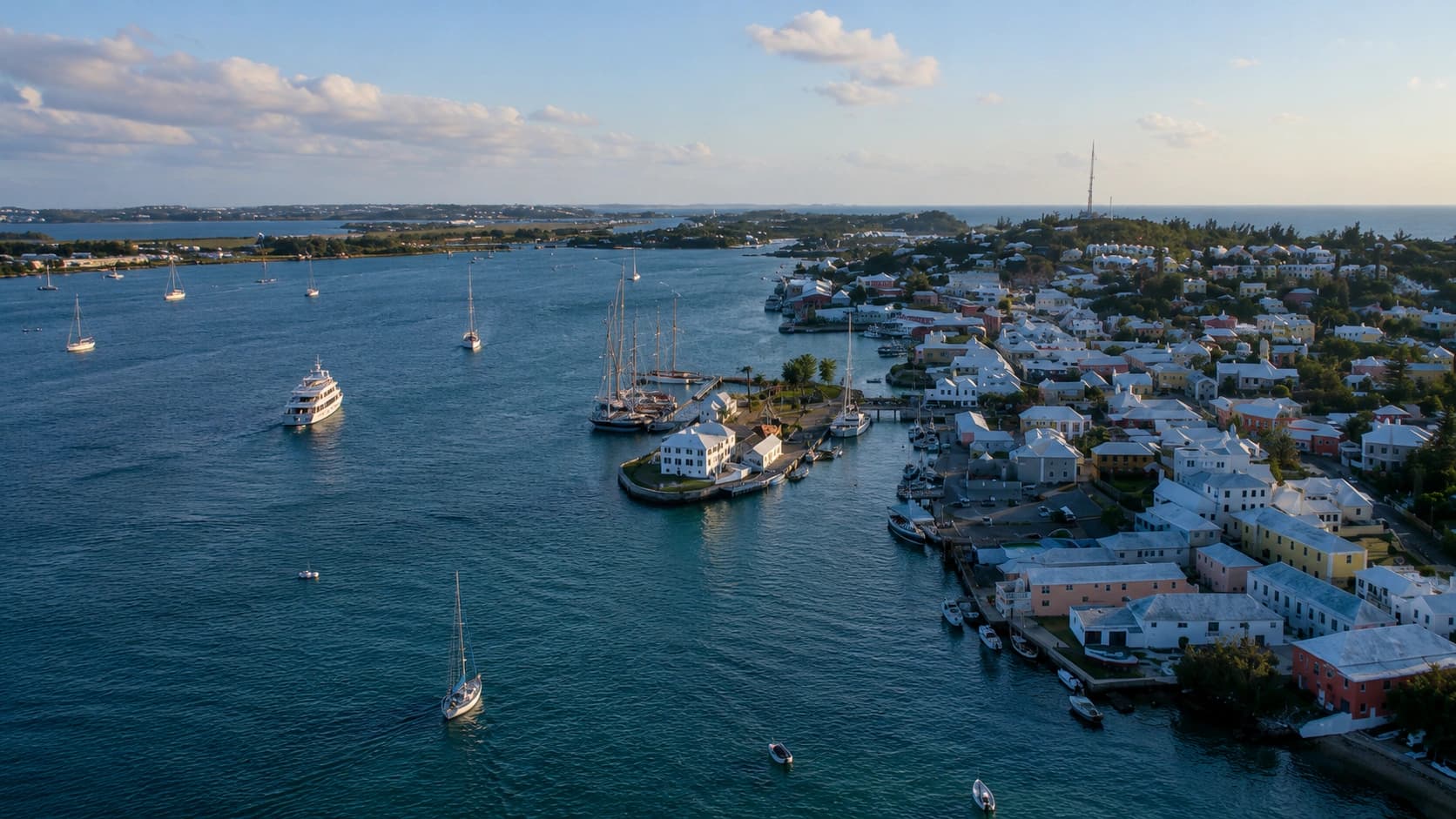
St George's, the capital, is the case for Grenada made in a single view. The town wraps around a near-perfect horseshoe harbour, a drowned volcanic crater, in tiers of pastel Georgian and French colonial buildings climbing the hillside, with the old fort above and the working waterfront of the Carenage below. It was built by people who arrived to trade rather than to holiday, and it has the density and the life of a real town rather than the emptiness of a resort. To walk the market on a Saturday, through the nutmeg and the cocoa and the produce of the island, is to understand that Grenada is somewhere people live and work, not merely somewhere they are flown to lie down.
Inland, the island rises quickly into rainforest. The Grand Étang reserve, built around a crater lake in the mountainous centre, holds the cloud forest, the waterfalls, Annandale, the Seven Sisters, Concord, and the mona monkeys brought across from Africa centuries ago. The spice estates are still working, and the better of them open their doors: the nutmeg processing stations where the pods are split and the mace separated from the seed by hand, the cocoa estates where the fine-flavour beans are turned into some of the most interesting tree-to-bar chocolate in the hemisphere. This is a Caribbean interior to be travelled, not merely a backdrop to a beach.
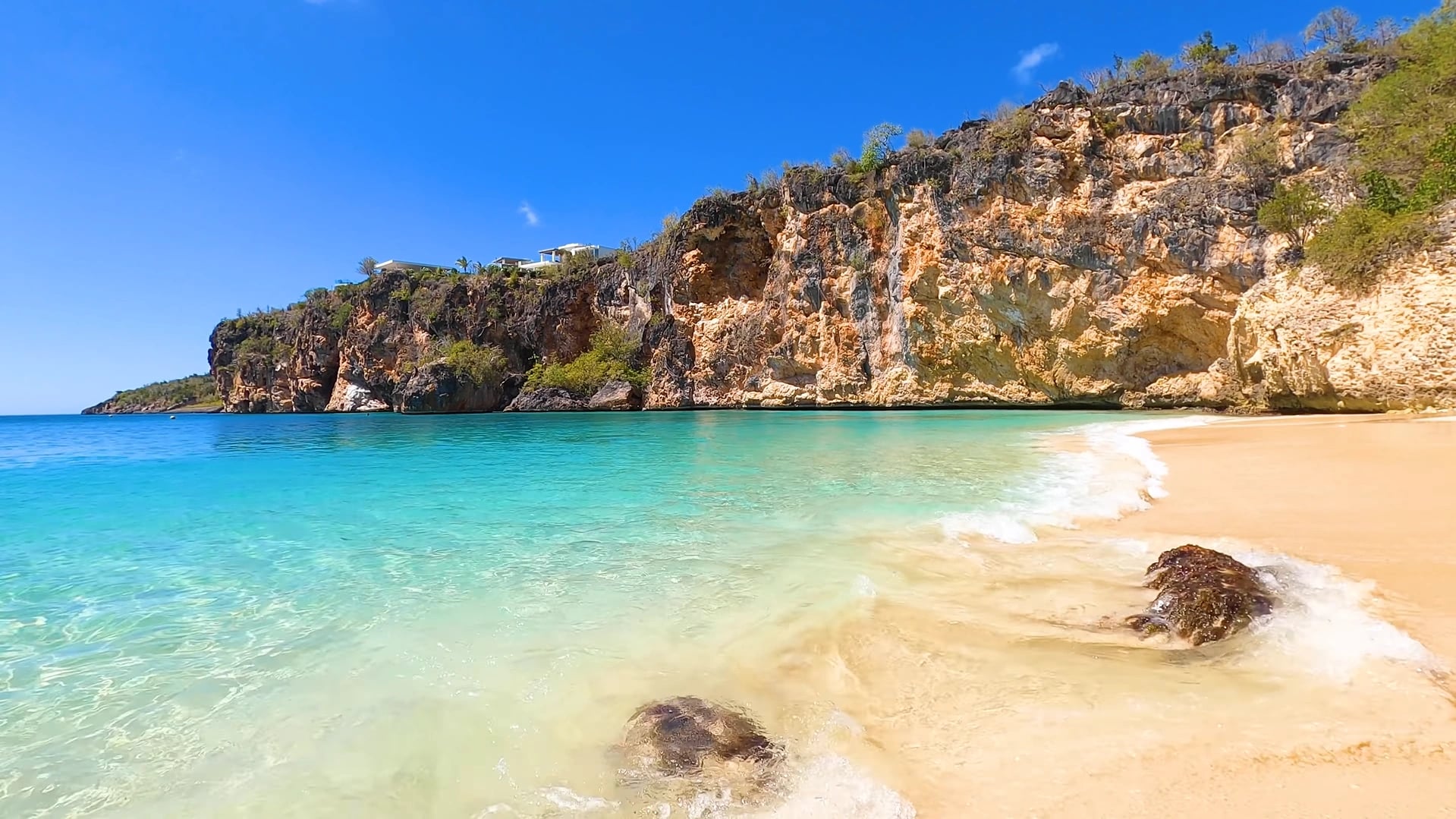
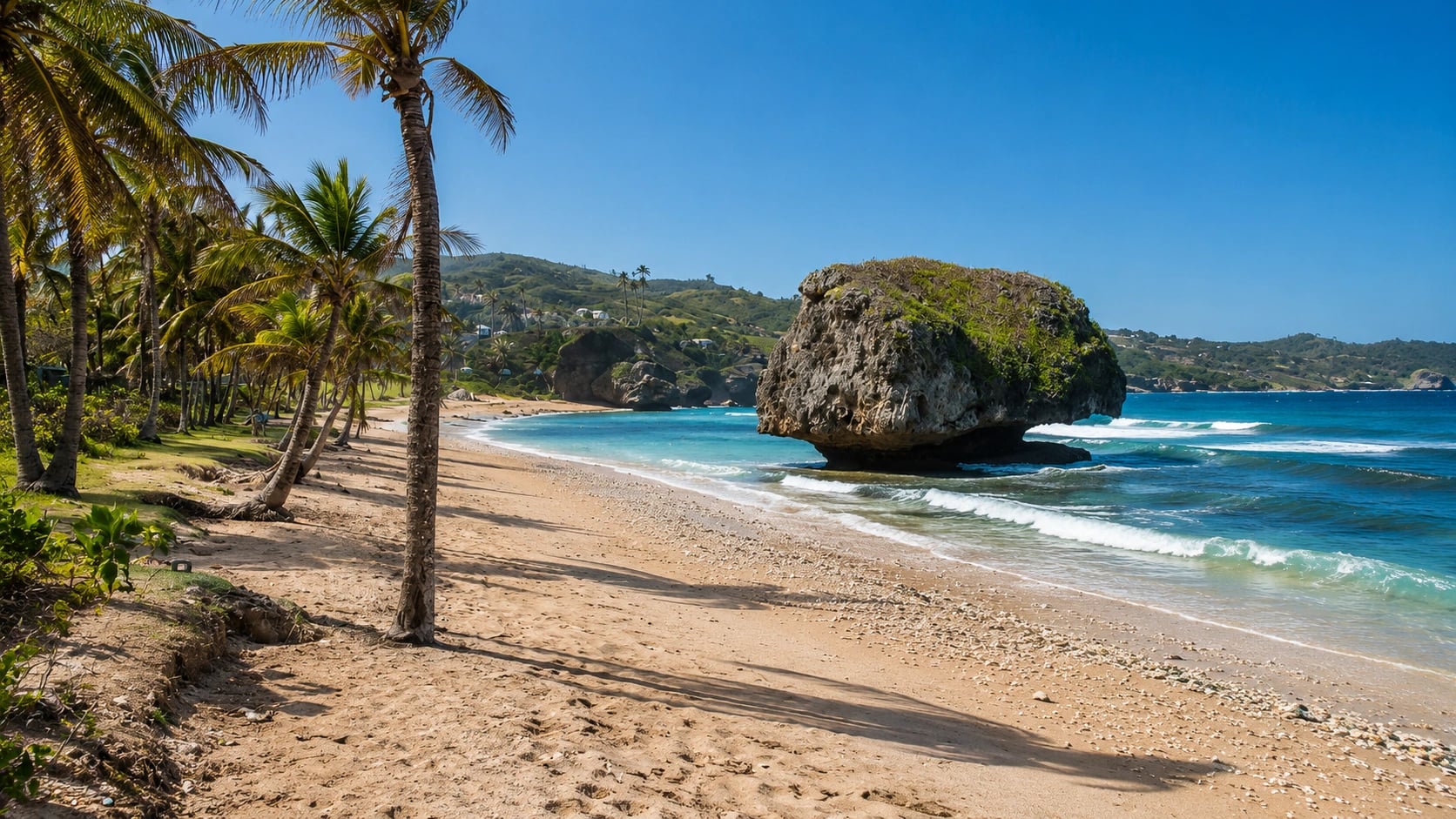
The coast is a string of separate places rather than a single strip. Grand Anse, the two-mile sweep of pale sand south of the capital, is the famous one, and earns it. But the south coast beyond it, the quiet bays and headlands around Prickly Bay and the sheltered beaches of the southern peninsula, is where the island keeps its calm, a residential, unhurried coast of small coves rather than a developed front. And below the surface, off the west coast, lies one of the island's genuine originals: an underwater sculpture park, the first of its kind in the world, where submerged figures have become an artificial reef in a protected bay, drifted over by snorkellers and divers and slowly claimed by the coral.
“The second-largest nutmeg producer on earth. The prettiest harbour in the Caribbean. The world's first underwater sculpture park. And no resort strip at all.
What the island carries.
Grenada's recent history is more dramatic than its sleepy present suggests, and worth knowing. The island became independent in 1974, lived through a revolution and a brief, turbulent socialist experiment at the end of the 1970s, and was the subject of a United States invasion in 1983, the airport you fly into still carries the name of the revolutionary leader of that period. Then, in 2004, Hurricane Ivan struck almost head-on, damaging the great majority of the island's buildings and destroying most of the nutmeg trees, which take years to come back into full production. The island rebuilt slowly and on its own terms, and one quiet consequence of that slow recovery is that the wall-to-wall development that overtook other islands in the boom years never quite arrived here. Grenada's calm is partly a matter of temperament and partly a matter of history, and it has held onto it.
Offshore lie the sister islands. Carriacou and Petite Martinique, to the north, are part of the Grenadines, small, dry, and slow, with a wooden-boat-building tradition kept alive on the beach and a pace that belongs to an earlier Caribbean entirely. They are reached by a short flight or a ferry, and they are where Grenada goes to be even quieter than it already is.
How it feels to be there.
The island runs at the pace of somewhere that has never been in a hurry. Mornings are for the water or the interior, a beach to yourself before the day builds, or a drive up into the cool of the rainforest to a waterfall. The heat of the middle of the day slows everything; the markets, the spice estates, the harbour all keep their own rhythm. Evenings are unhurried, dinner on a terrace above a bay, the lights of a fishing boat, the smell of the gardens coming down off the hill. There is genuinely good eating here, built on what the island grows and what the sea brings in, and a culture of small, owner-run places rather than international hotel kitchens. What Grenada offers, more than any single attraction, is the Caribbean at a human scale, lived rather than performed.
What we look for when we plan a stay here.
Grenada rewards a stay that uses the whole island rather than a single beach, the quiet south coast for the base, the capital for its life, the interior for the spice and the rainforest, and the sister islands for those who want the silence turned up further still. The island is small enough to be known properly in a week, and the difference between a good stay and an ordinary one is in the choice of where to sit within it and how to read the rest.
What we look for here: a base on the quieter south coast, intimate rather than large, with the calm of a sheltered bay rather than the bustle of a developed front. Real access to the working island, the spice estates, the cocoa, the markets, the rainforest waterfalls, guided by people who live here. The underwater sculpture park and the protected reefs, properly arranged. And, for those who want it, the onward leg to Carriacou and the Grenadines, where the old Caribbean is still entirely intact.
Through our network we have access to arrangements across Grenada and its sister islands that sit within this standard. Each is arranged personally, matched to the temperament of the trip, and handled end-to-end, the arrival, the island itself, and any onward leg into the Grenadines.
Who Grenada is right for.
Not those who want the all-inclusive strip and nothing beyond it. That Caribbean is widely available, professionally delivered, and there is no reason to come this far south for it.
This is for travellers who have understood that the most rewarding islands are rarely the most developed ones, and who want a Caribbean that is somewhere rather than anywhere. For couples who want calm, good food, and a place with a character of its own. For families who want beaches and rainforest and a spice estate as readily as a pool. For the curious, drawn to a working garden of an island with a real town and a real interior. And for the seasoned Caribbean traveller who has done the famous islands and wants the one that quietly chose not to become them.
The nutmeg trees the island lost to a single storm in 2004 are only now back in full bearing, a spice measured in decades, on an island that has never been able to rush. The harbour at St George's has held its horseshoe of pastel houses for two centuries. The boat-builders of Carriacou still work the way their grandfathers did. Grenada keeps its time slowly, and the argument for going is the argument for keeping it with the island, on the one Caribbean that stayed a garden.
When to visit Grenada
Grenada sits at the southern edge of the hurricane belt and enjoys a more reliable climate than islands further north. The dry season, roughly December through May, is the prime window, warm, sunny, and comparatively low in humidity, with the northeast trade winds keeping the heat comfortable; January through April is the peak, and the better places book well ahead over the Christmas and New Year weeks. The wetter months, roughly June through November, bring higher humidity and short, heavy afternoon showers rather than sustained weather, with the lushest greenery, the lowest prices, and the smallest crowds; the genuine hurricane risk is low this far south but not nil, and is concentrated in the late-summer months. Spicemas, the island's carnival, falls in August. The diving and the underwater sculpture park are rewarding year-round, with the clearest water generally in the drier months.
How to get to Grenada
Maurice Bishop International (GND), a short drive from St George's and the south-coast beaches, is the island's gateway, with direct connections from London, several North American hubs, and the regional network across the eastern Caribbean; onward links from Europe route easily through London or the larger regional hubs. The island is small, and ground transfers from the airport to the south coast are short. The sister islands of Carriacou and Petite Martinique are reached by a brief flight or a ferry from the main island. Private jets route into Maurice Bishop International. We coordinate the arrival, the transfers, and any onward island leg ourselves.
Where to stay in Grenada
A considered Grenada stay works around the south coast, with the rest of the island within easy reach. The quieter south, the sheltered bays of the southern peninsula, is the natural base, intimate and calm, a short drive from both the capital and the famous Grand Anse beach. The interior is for day excursions into the rainforest and the spice estates rather than for staying. And Carriacou and the Grenadines are the onward option for those who want the old, slow Caribbean for a few final days.
We do not publish a property list. The places we arrange across the island are matched once the brief is clear, the intimate south-coast base, the right access to the working island and the reefs, the onward leg to the Grenadines if it is wanted. What we will say is that the right Grenada stay is almost never the largest property on the busiest beach. It is the small, quiet one that lets the rest of the garden in.