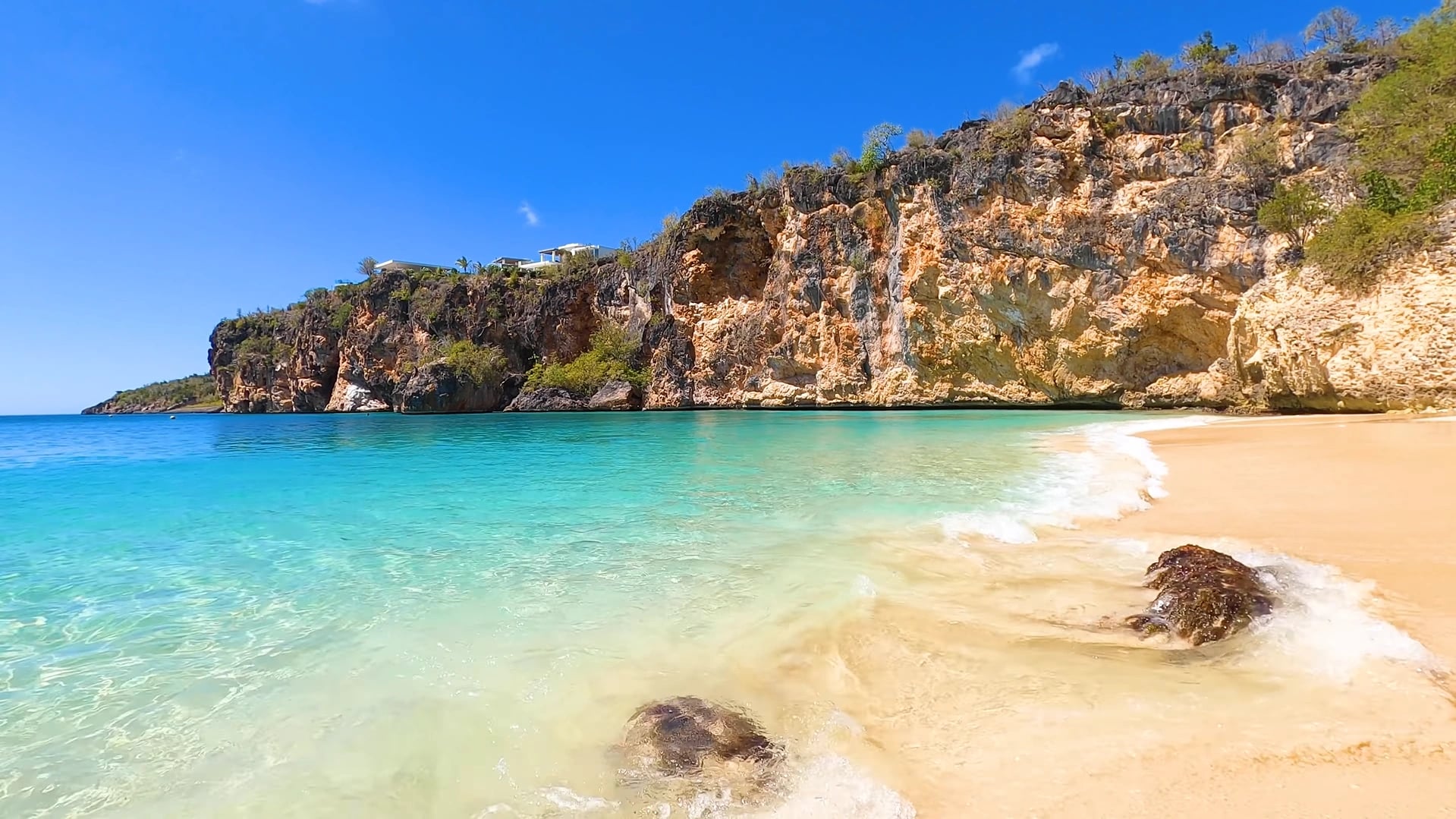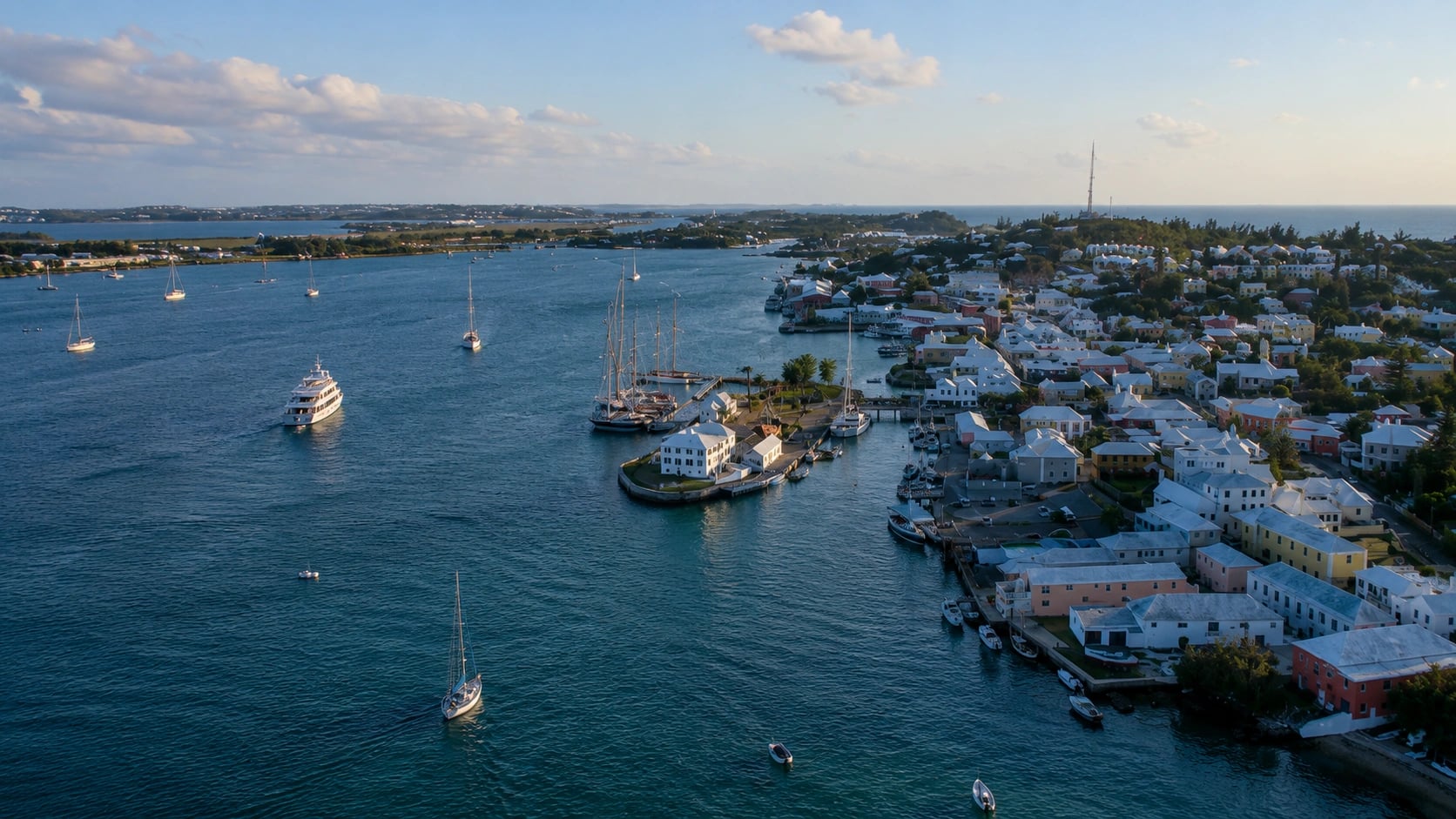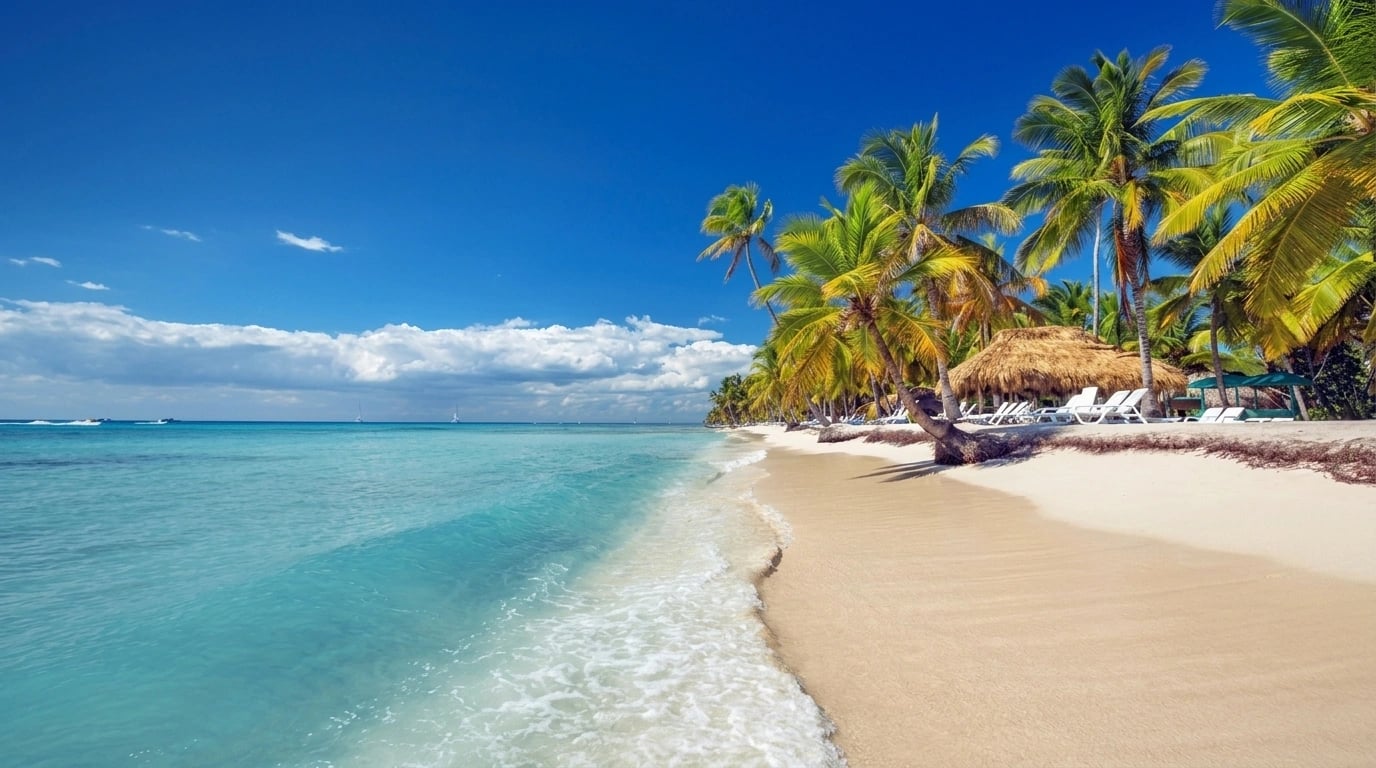
Barbados arrives with its photograph already taken. The calm turquoise water and the powder-pale sand of the west coast, the Platinum Coast, has been the picture of a certain kind of Caribbean holiday for sixty years, the place a particular set of names returns to over Christmas, the most familiar and most arrived-at of all the islands. The picture is true. The west-coast sea really is that flat and that clear, and a week on it is a genuinely lovely thing. But it is, finally, one coast of one small island, and it is the part of Barbados that most resembles every other island's best beach.
The island behind the postcard is a far stranger and more interesting place than the photograph suggests, and it begins with the geology. Barbados is not a volcanic island like its neighbours. It sits alone, well east of the main Caribbean arc, out in the Atlantic on its own, a low cap of coral limestone raised slowly from the sea, riddled with caves and gullies, its rainwater filtered so clean through the rock that the island drinks some of the purest water in the world. It is flatter, drier, and more cultivated than the volcanic islands, and that single difference, coral rather than fire, shapes everything about how it looks and how it has been used.
And it is unusually deep in history for so small a place. Held by the English without interruption from 1627, it never changed hands, which is why it earned the name Little England, Barbados has a parliamentary tradition that runs back to 1639, making its assembly one of the oldest in the entire English-speaking world, behind only Westminster and Bermuda. It was the birthplace of rum. It was, less comfortably and just as importantly, one of the engines of the Atlantic sugar economy and the enslavement that powered it. And in 2021 it removed the British monarch as head of state and became the Caribbean's newest republic. The west-coast beach shows you none of this. The island is the point.
This is where this begins.
What the three coasts are.
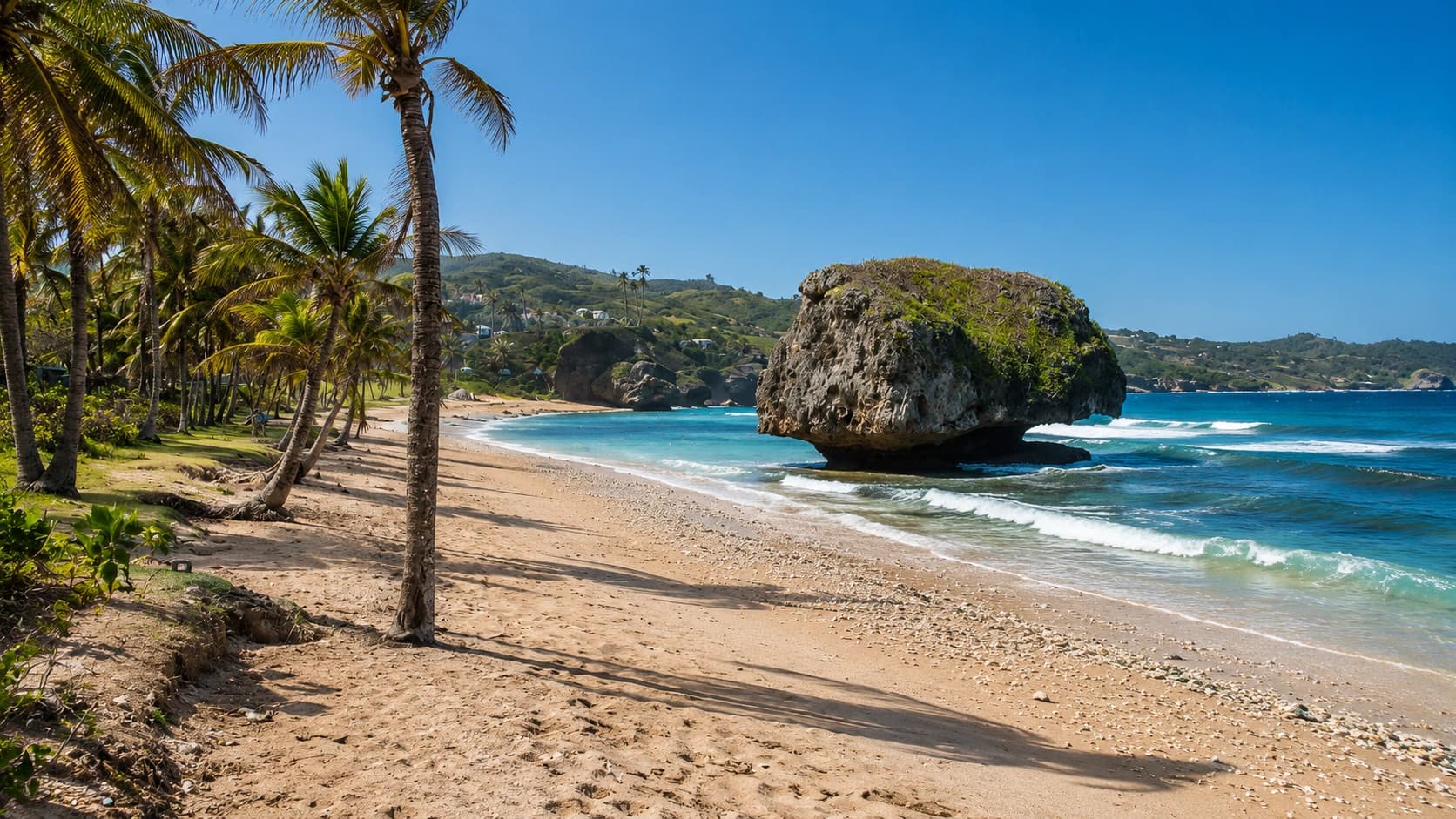
Barbados is, in effect, three islands wearing one name, divided by which way they face. The west coast, the Platinum Coast, the parish of St James, the calm leeward side, is the famous one: sheltered Caribbean water, the pale crescents of sand, the long-established luxury, the calm that the photograph promises. The south coast is the lively one, busier and younger, with the surf a little stronger and, at its southern point, the Friday-night fish fry that is as much a part of the island as anything in the brochures, the whole community out at the fishing village for grilled marlin and music. And the east coast is the revelation: the windward Atlantic side, wild and almost undeveloped, where the open ocean rolls in against eroded rock stacks and long empty beaches, the surf at one famous break drawing wave-riders from across the world, and the landscape turning rugged and green and entirely unlike the calm of the other side. To see only the west coast is to have seen one third of the island, and the gentlest third at that.
The interior matches the coasts in variety. Because the island is coral, the rain sinks through it, carving an underworld of caves, one of them large enough to be travelled through underground, and a surface of deep wooded gullies that hold the island's original vegetation and its troops of green monkeys. The old sugar estates, the great houses, and the windmills of the plantation centuries still stand across the rolling cane country of the interior, and the better of them are open: a record, by turns elegant and brutal, of the economy that built the island.
“A coral rock alone in the Atlantic. A parliament older than almost any in the English-speaking world. The birthplace of rum, and the Caribbean's newest republic. The west-coast beach shows you none of it.
What the island carries.
Two things, above all, make Barbados more than its beach. The first is rum. The spirit was, by most accounts, born here in the seventeenth century out of the molasses of the sugar trade, the word itself is thought to be Barbadian, and the island is home to what is generally held to be the oldest commercial rum, its origins documented to the very start of the eighteenth century. To take the rum seriously here, at the distilleries and the rum shops that are the genuine social institution of the island, is to drink the island's history directly.
The second is the history the rum and the sugar rest on, which the island holds more openly than it once did. Bridgetown and its Garrison are a UNESCO World Heritage Site, recognised as one of the most complete survivals of a British colonial port and the military system that defended the sugar economy, an economy built, for two centuries, on the labour of enslaved Africans. A serious week in Barbados that engages only with the beach and never with this is, like a serious week in Zanzibar or the Cape that looks away from its own past, a week that has not really been on the island at all. Modern Barbados, confident, independent, newly a republic, and the home of one of the most famous people on the planet, whom the island has named a National Hero, is a country actively reckoning with that inheritance, and the more of it you let in, the more the island repays the visit.
How it feels to be there.
Barbados is the most developed and most easygoing of the islands to travel, and that is part of its appeal: the infrastructure is good, the people are famously warm, English is the language, and the whole island is small enough to cross in an afternoon. The temptation is to settle on the west coast and never move, and many do. The island rewards the opposite. A morning on the calm west-coast water; a drive across the cane country to the wild Atlantic east for lunch above the surf; an afternoon underground in the caves or walking a green gully; a Friday evening at the southern fish fry with the whole island out; a rum shop in a village that has nothing to do with the resorts. The beach is the easy pleasure. The island is the deeper one.
What we look for when we plan a stay here.
Barbados rewards a stay that uses the whole island rather than a single coast, and that treats the famous west-coast beach as the base rather than the entire experience. The island is easy to know well in a week, and the difference between a good stay and an ordinary one is in how much of the rest, the Atlantic coast, the rum, the history, the food, the interior, is allowed in around the beach.
What we look for here: a base on the calm west coast for the water and the ease, intimate and well-run rather than merely large. Real access to the rest of the island, the wild east coast, the caves and gullies, the rum distilleries and the rum shops, the historic Garrison and Bridgetown, the southern fish fry, guided by people who live here rather than packaged as excursions. The genuine Bajan table, built on the flying fish, the sea, and the island's own cooking, as readily as the hotel kitchen. And the whole thing arranged so the famous beach is the start of the island rather than the limit of it.
Through our network we have access to arrangements across the island that sit within this standard. Each is arranged personally, matched to the temperament of the trip, and handled end-to-end, the arrival, the base, and the reading of the rest of the island.
Who Barbados is right for.
Not those who want only the west-coast beach and nothing of the country behind it. That holiday is widely available and very comfortable, and there is no need to improve on it if the calm sea is all the island is being asked to provide.
This is for travellers who want the ease and the polish of the most developed island in the region without mistaking the beach for the whole of it. For families who want the calm water, the caves, the surf coast, and the fish fry in a single easy week. For couples who want the famous coast but also the wild one. For the curious, drawn to the rum, the deep colonial and post-colonial history, the strange coral geology, the newest republic in the hemisphere. And for the seasoned Caribbean traveller who has had the postcard already, and wants to find out what the island is doing behind it.
The coral cap of the island rose from the sea over hundreds of thousands of years, and is rising still. The parliament has sat, in one form or another, since 1639. The rum has been made here for the better part of four centuries, on the back of a sugar economy whose human cost the island is still reckoning with. And the republic is younger than a school-age child. These timescales sit on top of each other across an island small enough to drive around in a day, and the argument for going is the argument for letting all of them in, rather than stopping, as almost everyone does, at the edge of the west-coast sand.
When to visit Barbados
Barbados has a dry season and a wet one, and sits at the southeastern edge of the hurricane region, which gives it a relatively favourable risk profile. The dry season, roughly December through May, is the prime window, sunny, warm, and lower in humidity, with the northeast trade winds keeping it comfortable; the peak runs from December through April, with the Christmas and New Year weeks the busiest and most sought-after of the year. The wetter months, roughly June through November, bring higher humidity and short afternoon showers rather than sustained weather, with the lushest landscape and the lowest prices; the hurricane risk, while real, is lower here than further west and concentrated in the late summer. Crop Over, the island's great summer festival, builds through July to its climax in early August. The surf on the Atlantic east coast is at its most powerful in the northern-hemisphere winter months. The west-coast water is calm and swimmable year-round.
How to get to Barbados
Grantley Adams International (BGI), in the southeast of the island, is among the best-connected gateways in the eastern Caribbean, with direct links from London, several North American hubs, and the regional network across the islands; it is the natural arrival point for the region as a whole, and onward island-hopping routes through it easily. The island is small, and ground transfers from the airport to the west coast take well under an hour. Private jets route into Grantley Adams. Barbados also makes a natural hub for combining with the islands of the eastern Caribbean, including the Grenadines to the southwest. We coordinate the arrival, the transfers, and any onward island leg ourselves.
Where to stay in Barbados
A considered Barbados stay works around the calm west coast, with the rest of the island deliberately built in. The Platinum Coast, the sheltered Caribbean side, the parish of St James, is the natural base for the water and the ease, a short drive from everything else. The wild Atlantic east is for the day excursions and the surf rather than for staying. The south is for the nightlife and the fish fry. And the interior, the caves, the gullies, the great houses, the distilleries, is the island's depth, taken in around the beach. The island combines easily with the rest of the eastern Caribbean for those who want a second island.
We do not publish a property list. The places we arrange across the island are matched once the brief is clear, the intimate west-coast base for the water, the right access to the wild coast, the rum, and the history that the beach never shows. What we will say is that the right Barbados stay is almost never the one that begins and ends on the west-coast sand. It is the one that uses the beach as the doorway to the rest of the island.