Turkey, for most of the world, has narrowed to three images. Istanbul, the domes, the bazaar, the Bosphorus, for a long weekend. The hot-air balloons rising over the rock chimneys of Cappadocia at dawn, perhaps the single most photographed sight in the country. And, for the package market, the great all-inclusive resort coast around Antalya, a wall of vast hotels on the Mediterranean delivering sun and sea at scale. Each is real. The first is one of the great cities of the world; the second is a genuinely extraordinary landscape; the third is exactly what it sets out to be. And between them they have come to stand in for a country that is far larger and far stranger than the three of them suggest.
The Turkey that rewards the traveller who has done the obvious, or who wants to skip it, is the Aegean. The western coast, where the land meets the sea it shares with Greece, is a country of pine-covered peninsulas reaching out into clear water, of quiet bays best reached by boat, of fishing villages and olive groves and a Mediterranean rhythm that the resort coast to the south has entirely lost. And it holds something almost nowhere else does: the densest concentration of the classical ancient world outside Italy itself. The cities the Greeks and Romans built along this coast, and the libraries, theatres, and temples they left, are, many of them, better preserved than anything in Greece, and most travellers to Turkey never see a single one.
This coast is where Western civilisation did a great deal of its early thinking, where philosophers and historians and architects worked, where one of the Seven Wonders of the ancient world stood. And today it is a coast of quiet peninsulas and turquoise bays where the great pleasure is a boat and the time to use it. The famous Turkey is three photographs. The Aegean is the country behind them.
This is where this begins.
What the famous Turkey is.
It is worth being fair to the famous three, because each earns its place. Istanbul is one of the truly great cities, the only one to straddle two continents, the capital of two empires, a place where a single skyline holds Byzantium and the Ottomans and the modern republic at once, and a city that rewards far more than the long weekend it is usually given. Cappadocia's landscape of eroded rock, carved churches, and underground cities is genuinely like nowhere else, balloons or no balloons. And the resort coast delivers reliable sun to a great many people very efficiently. The point is not that these are not worth doing. It is that doing only these is to mistake the country's three most famous images for the country.
What the Aegean actually is.
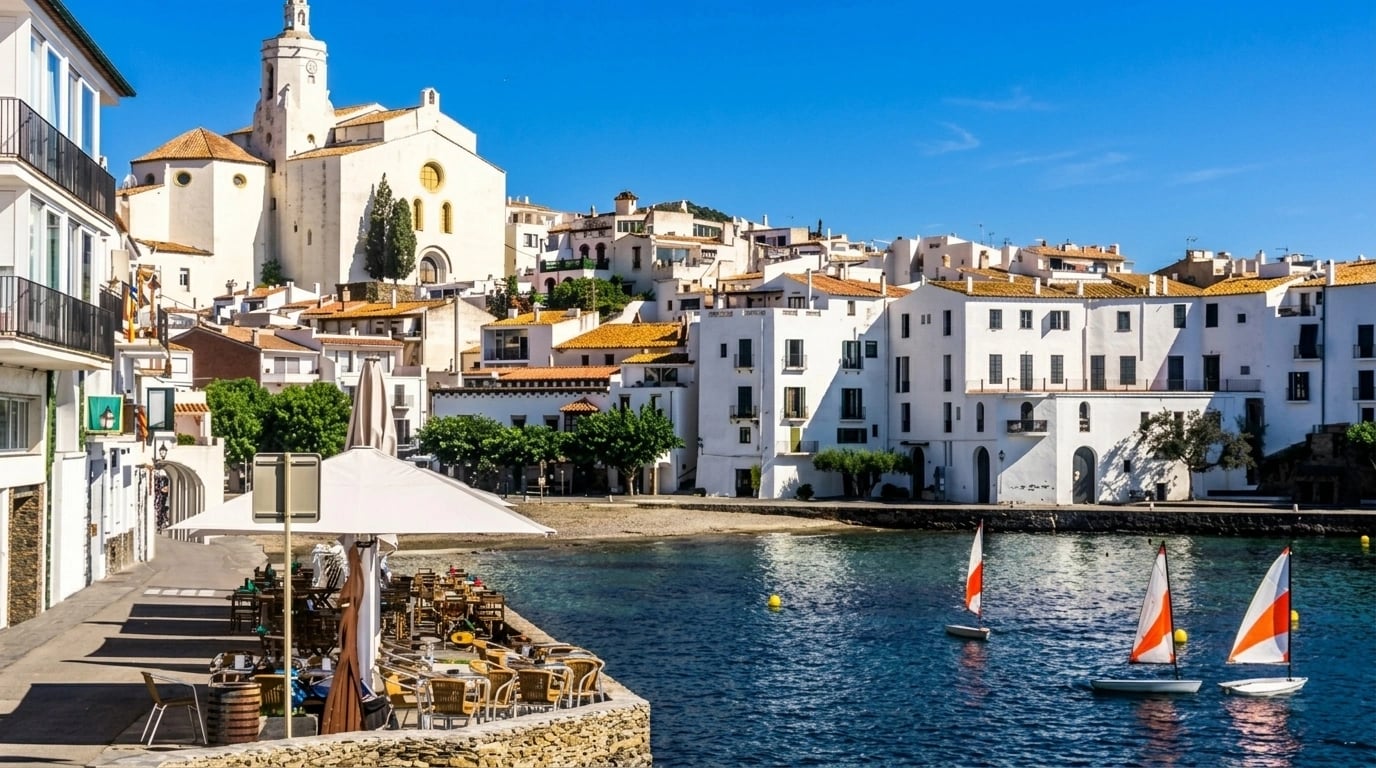
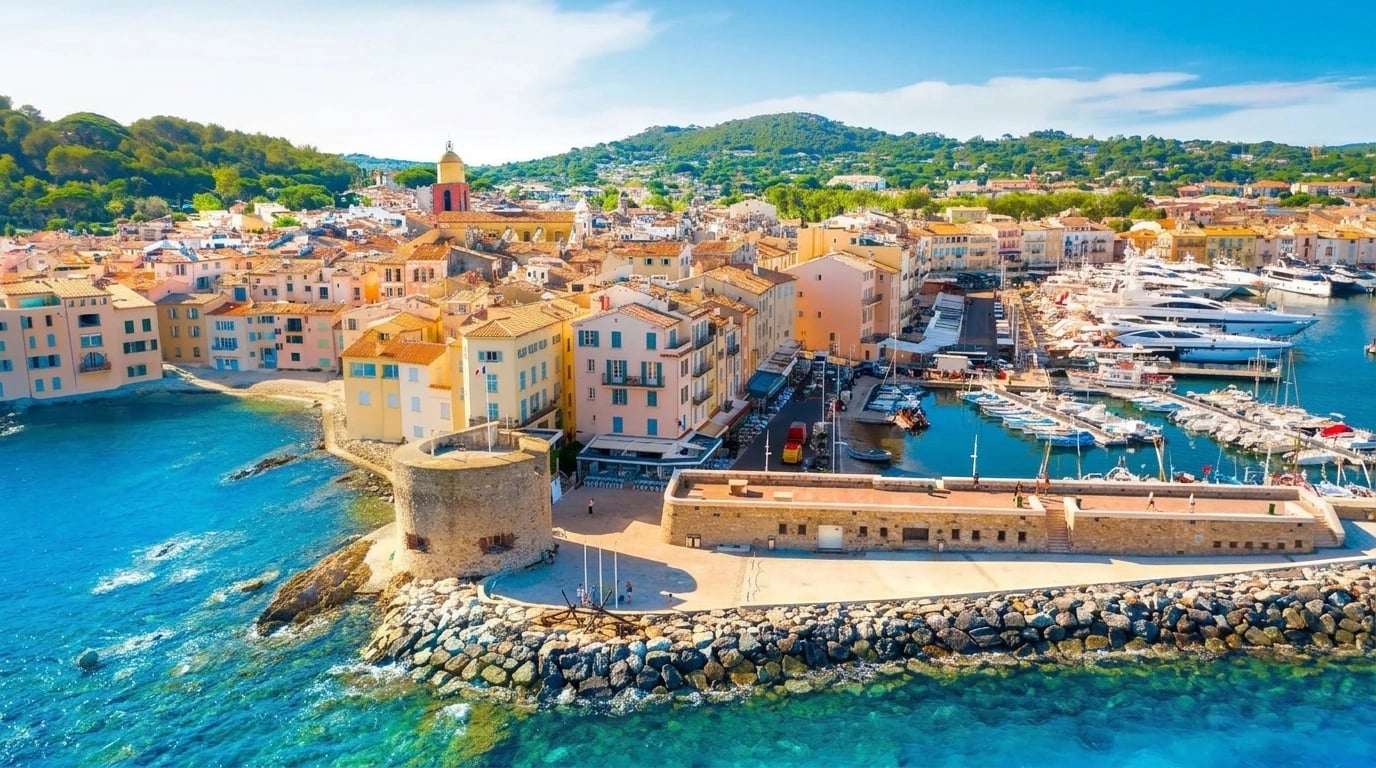
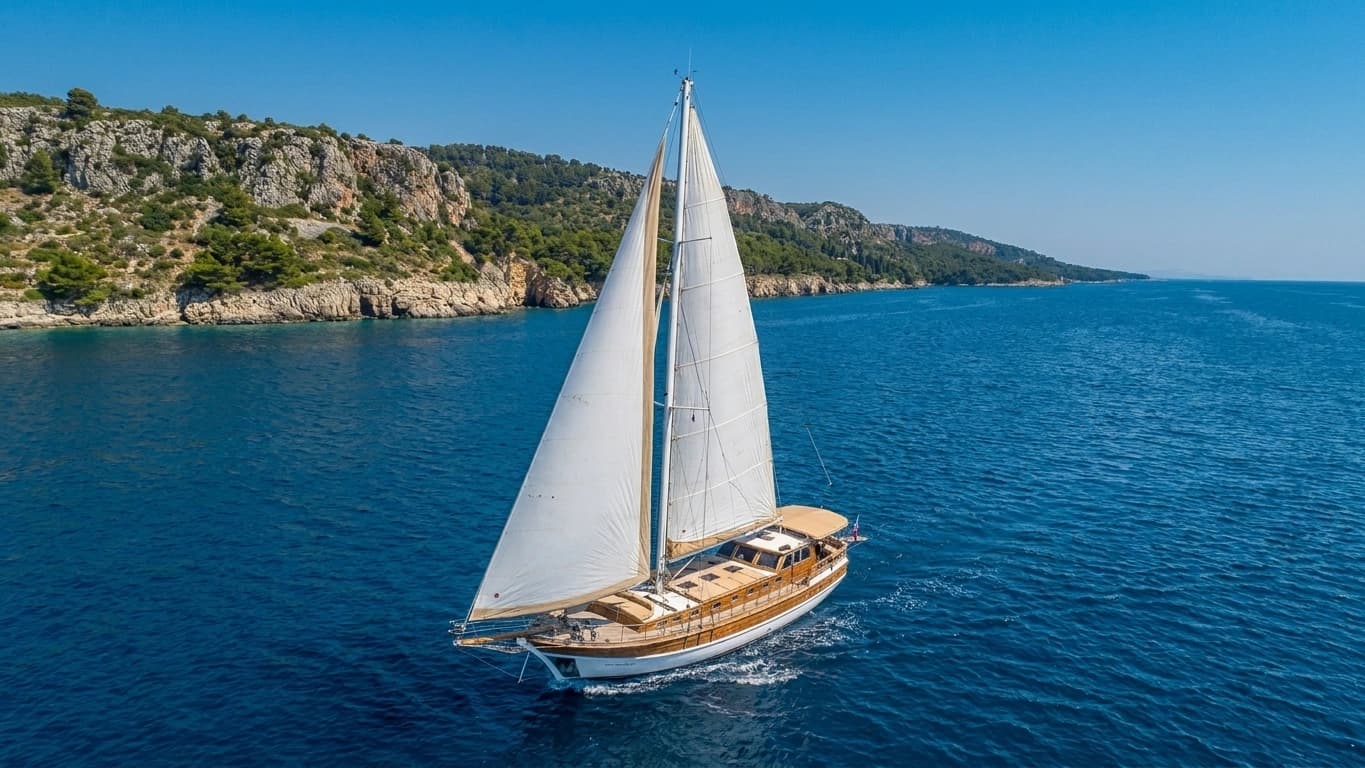
The Aegean coast runs down Turkey's western edge in a series of peninsulas and gulfs, pine and olive coming down to a clear, island-strewn sea. Its character is the opposite of the package coast to the south: quieter, lower-built, more local, a landscape of small bays and fishing harbours rather than resort walls. The defining experience here is the boat. The traditional broad-beamed wooden vessel of this coast, built for these waters, is the way the bays were always meant to be travelled: anchoring in a different cove each day, swimming off the deck in water that gives the coast its name, putting in at a harbour village for dinner, sleeping on the water. A few days under sail along this coast, from bay to empty bay, is one of the great relaxed pleasures of the Mediterranean, and it is almost the inverse of a week behind a resort wall.
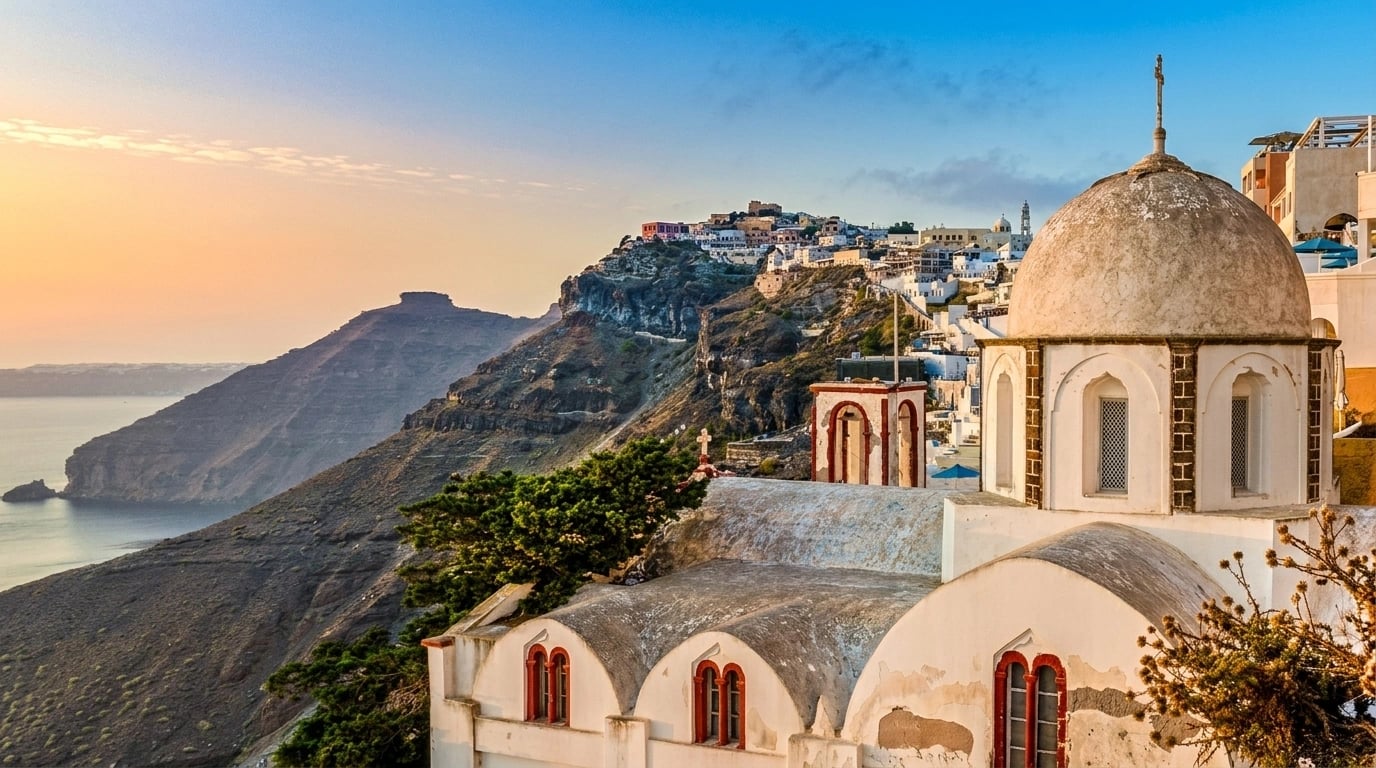
And threaded through it is the ancient world. The greatest of the classical cities of the coast, its marble streets, its great theatre, the soaring façade of its celebrated library still standing, is among the best-preserved ancient cities anywhere, and walking it is a different order of experience from picking among foundations: you walk the actual streets of a Roman metropolis. Nearby once stood a temple counted among the Seven Wonders of the ancient world. Up and down the coast are other cities, other theatres, other sanctuaries, most of them quiet; inland lie the white travertine terraces and the ruined spa city above them that together form one of the strangest sights in the country. This was the cradle of a great deal of Greek thought and art, and it is, improbably, one of the least-crowded major archaeological landscapes in the Mediterranean.
“Pine-covered peninsulas and turquoise bays. The best-preserved ancient cities outside Italy. A wooden boat and the time to use it. The Turkey the three famous photographs leave out.
What the coast carries.
This coast has been a meeting place of peoples for three thousand years, and the layers are deep and not always comfortable. It was Greek for far longer than it has been Turkish, the cities were Ionian Greek, then Roman, then Byzantine, and the seam between the Greek and Turkish worlds runs straight through it; within living memory, populations were exchanged across the Aegean in their hundreds of thousands, and the abandoned villages of that history still stand on some of the hillsides. The food carries the meeting: the Aegean table here, built on olive oil, herbs, vegetables, and fish, is among the best eating in the country and shares a great deal with the Greek coast across the water. To travel the Aegean is to read a frontier that has been busy, and at times tragic, for millennia, and to eat extremely well along it.
How it feels to be there.
On the coast and on the water the rhythm is slow and warm. Mornings begin early, before the heat, a swim off the boat or the rocks, an ancient city walked at first light before the day's few visitors arrive. The middle of the day is the sea and the shade, the long lunch of mezze and fish, the heat on the pines. The afternoons are the bays, moving to a new cove, a harbour village, a quiet beach reached only from the water. The evenings are long and easy, on a deck or a harbour terrace, over the Aegean table and the local wine, the lights of the fishing boats coming on. To pair a few days of this with a deeper, slower Istanbul at the start or the end is to see the two Turkeys that matter most, the great city and the quiet coast, and to leave the three photographs to everyone else.
What we look for when we plan a stay here.
Turkey rewards a trip that gives the Aegean its due, the quiet peninsulas, the boat, the ancient cities, and treats the famous three as careful choices rather than the whole itinerary, with Istanbul given the time it deserves rather than a weekend. The coast is at its best for those who make the water the centre of the trip.
What we look for here: a base on one of the quieter Aegean peninsulas, away from the package coast, with the bays and the ancient cities within reach. A private boat, the traditional wooden vessel of the coast, properly crewed, as the heart of the trip, for the coves, the swimming, and the harbours. The great ancient cities walked early and well, with guiding that brings them to life rather than reciting dates. And a deeper Istanbul, given real days, to begin or end. The whole thing arranged so the coast is experienced from the water and the history from the inside.
Through our network we have access to arrangements along the Aegean coast and in Istanbul that sit within this standard, including private gulet charters and crewed yachts for the bays. Each is arranged personally, matched to the season and the trip, and handled end-to-end, the arrival, the boat, the guiding at the ancient cities, and the rhythm between the coast and the city.
Who Turkey is right for.
Not those for whom Turkey means the all-inclusive resort coast, or the country reduced to a long weekend in Istanbul and a balloon photograph. Those trips are widely available, and there is no need for us to improve on them if that is all the country is being asked to be.
This is for travellers who want the quiet coast and the boat rather than the resort wall, and who would rather swim off the deck in an empty bay than share a beach with a thousand others. For couples and families who want the sea, the warmth, and the freedom of the water. For the culturally serious, drawn to the densest ancient world outside Italy and to an Istanbul given the days it deserves. For the keen eater, for whom the Aegean table is among the best in the Mediterranean. And for the seasoned traveller who has done the famous three and wants the country that lies behind them.
The Greeks built their cities along this coast three thousand years ago, and did some of the founding thinking of the Western world on it. The Romans paved the streets you can still walk. The Greek and Turkish worlds have met, traded, and at times torn at each other along this seam for millennia, within living memory as much as in antiquity. And the three photographs that now stand in for the whole country are barely a generation old as a habit. These timescales sit on top of each other along one of the oldest coasts in the Mediterranean, and the argument for going is the argument for the Turkey that the three famous images leave entirely out.
When to visit Turkey
The Aegean coast has a classic Mediterranean climate, and the best of it falls either side of the high summer. The shoulder months, roughly May to June and September to October, are the finest: warm, sunny, with the sea warm enough to swim, the ancient cities bearable in a way the summer heat does not allow, and the coast at its quietest; September, with the sea at its warmest, is many people's ideal for the boat. High summer, July and August, is hot and at its busiest, with the ancient sites punishing in the midday sun, best taken on the water, with the cities walked at first light. Spring brings wildflowers across the ruins; autumn brings the harvest and the softening of the season. Winter is mild but quiet on the coast, with many places closed, and is better given to Istanbul, which has its own moody, atmospheric appeal in the cold months. As a general rule, late spring and early autumn give the best balance of warm sea, fine weather, and quiet ruins.
How to get to Turkey
Istanbul (IST) is the country's great gateway and one of the best-connected hubs in the world, with direct links from almost everywhere and an easy onward network within Turkey; it is the natural place to begin or end, and worth real days in its own right. For the Aegean, the coastal gateways, chief among them the airports serving the western peninsulas and the city of Izmir (ADB), put the bays and the ancient cities within a short transfer, and connect easily from Istanbul. The coast itself is best travelled by private boat between the bays. Private jets route into Istanbul and the Aegean coastal fields. We coordinate the international arrival, the internal flight to the coast, the boat, the guiding, and the timing of the whole route ourselves.
Where to stay in Turkey
A considered Turkey trip works around the Aegean coast and a deeper Istanbul. The quieter Aegean peninsulas, away from the package coast to the south, are the natural base for the bays and the ancient cities, ideally paired with time on a private boat that makes the coast itself the experience. The great ancient cities are reached on day excursions from the coast, taken early. And Istanbul, given real days rather than a weekend, is the cultural counterpoint, the city of two empires and two continents, to begin or end the trip. A week pairs the coast and the boat with a few days in the city; a longer trip adds more of the ancient interior or a longer stretch under sail.
We do not publish a property list. The coastal bases, boats, and city stays we arrange are matched once the brief is clear, the quiet peninsula for the bays and the ruins, the private boat for the coast, the right base in Istanbul for the city given properly. What we will say is that the right Turkey trip is almost never the one that does only the famous three. It is the one that gives the Aegean, the coast, the boat, and the ancient world along it, the days it deserves.