



Made by HandYear round
Textile Weaving
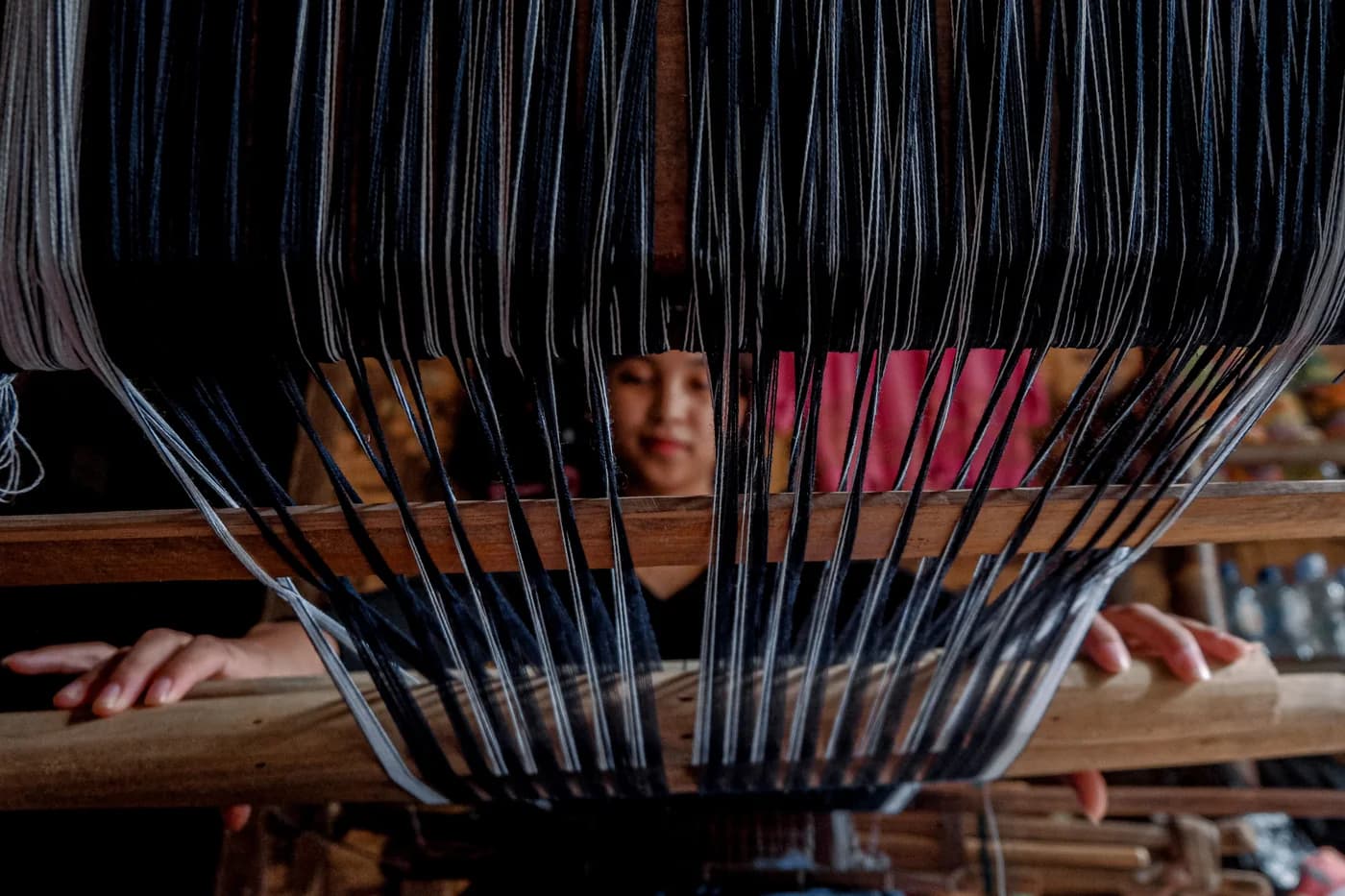
A day at a loom already set up for you: Swedish folk weaving in the south, or Sámi band weaving in the north.
Two traditions, north and south
Two quite different traditions and it is worth knowing which you are booking. In the south, the handweaving of the folk-art revival — rag rugs, linen, the geometric rölakan tapestry technique, worked on floor looms that have often been in the same room for a century.
In the north, Sámi band weaving: narrow bands in wool and sometimes pewter thread, made on a rigid heddle or on a band lock held against the body, used for belts, straps and the edges of clothing.
The band is the better first day. It is small, it is portable, it goes wrong visibly and is fixable, and you finish with a metre of something with a pattern in it rather than a corner of something large.
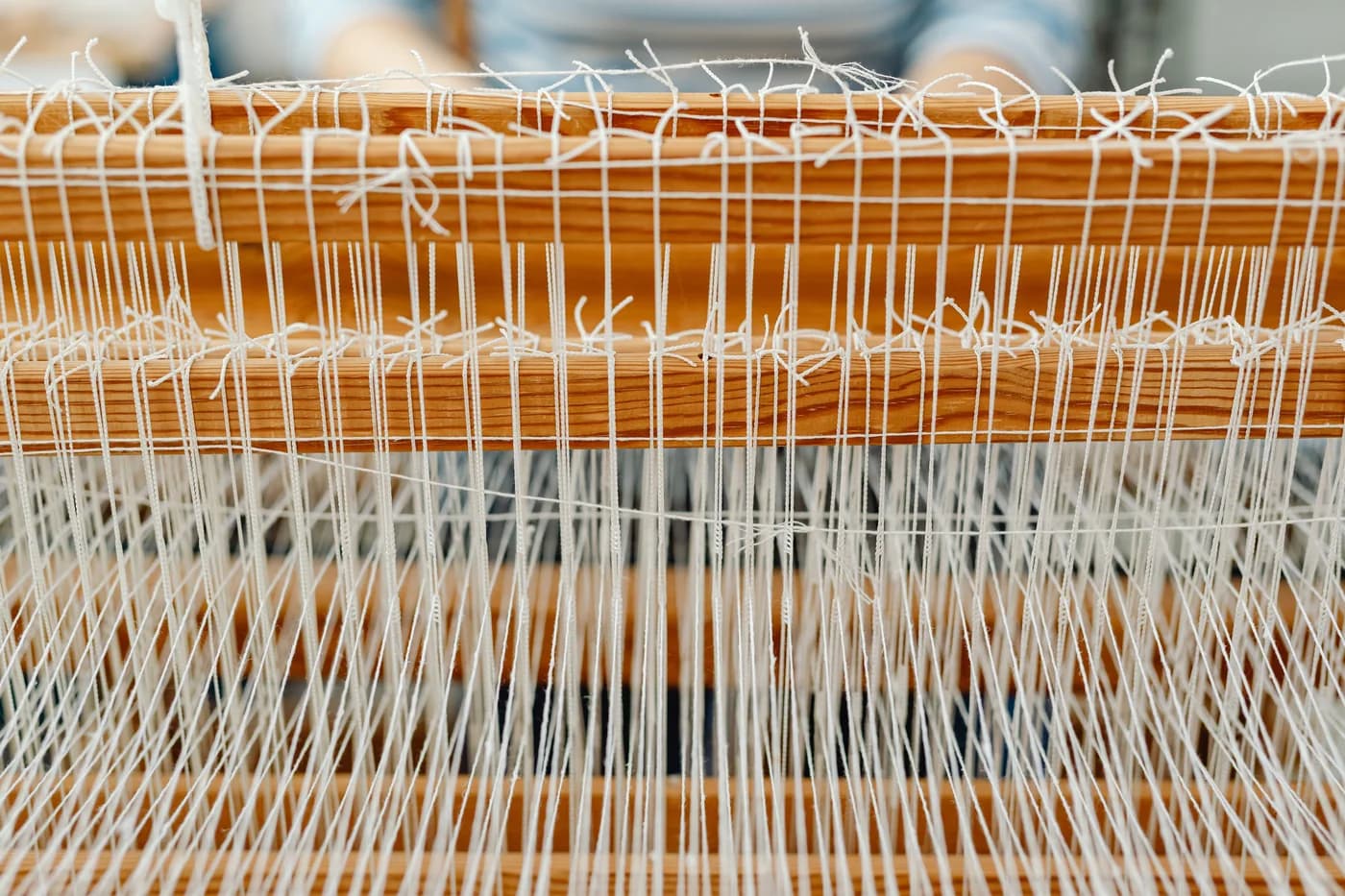
The loom is already set up
Setting up a loom is most of weaving and almost none of the pleasure, so on a one-day visit somebody will have done it for you. If you stay longer they will make you learn it, and they are right to.
It is slow in a way people find either unbearable or enormously restful within the first hour, and there is no reliable way to predict which you will be.
Year round. Winter, again, is when the makers have time and the light indoors is the only light there is.
Before you ask
Textile Weaving: common questions
Anything not answered here, ask us directly — we'd rather you did.
What kinds of weaving can you learn in Sweden?
Two quite different traditions. In the south, the handweaving of the folk-art revival: rag rugs, linen and rölakan tapestry, on floor looms that have often been in the same room for a century. In the north, Sámi band weaving: narrow bands in wool and sometimes pewter thread, for belts, straps and the edges of clothing.
Which weaving is best for a beginner?
The band. It is small and portable, it goes wrong visibly and is fixable, and you finish with a metre of something with a pattern in it rather than a corner of something large.
Do you have to set up the loom yourself?
Not on a one-day visit; somebody will have done it for you. If you stay longer, they will make you learn it, and they are right to.
When is the best time for a weaving workshop?
It runs year round. Winter is when the makers have the most time.