



Made by HandYear round
Chairmaking
Green woodworking with hand tools: a stool in a day or two, or a chair in a week, made from wood felled that season.
Older than the flat-pack
Sweden has a furniture tradition older and stranger than the flat-pack one it is now known for, and a green-woodworking revival has been quietly rebuilding it for two decades — chairs made from a tree felled that season, worked wet, with hand tools and no glue in the joints that matter.
The principle is that wet wood is soft and shrinks as it dries. So you cut the legs wet and the seat dry, drive one into the other, and the drying does the clamping. A chair made this way tightens for years instead of loosening.
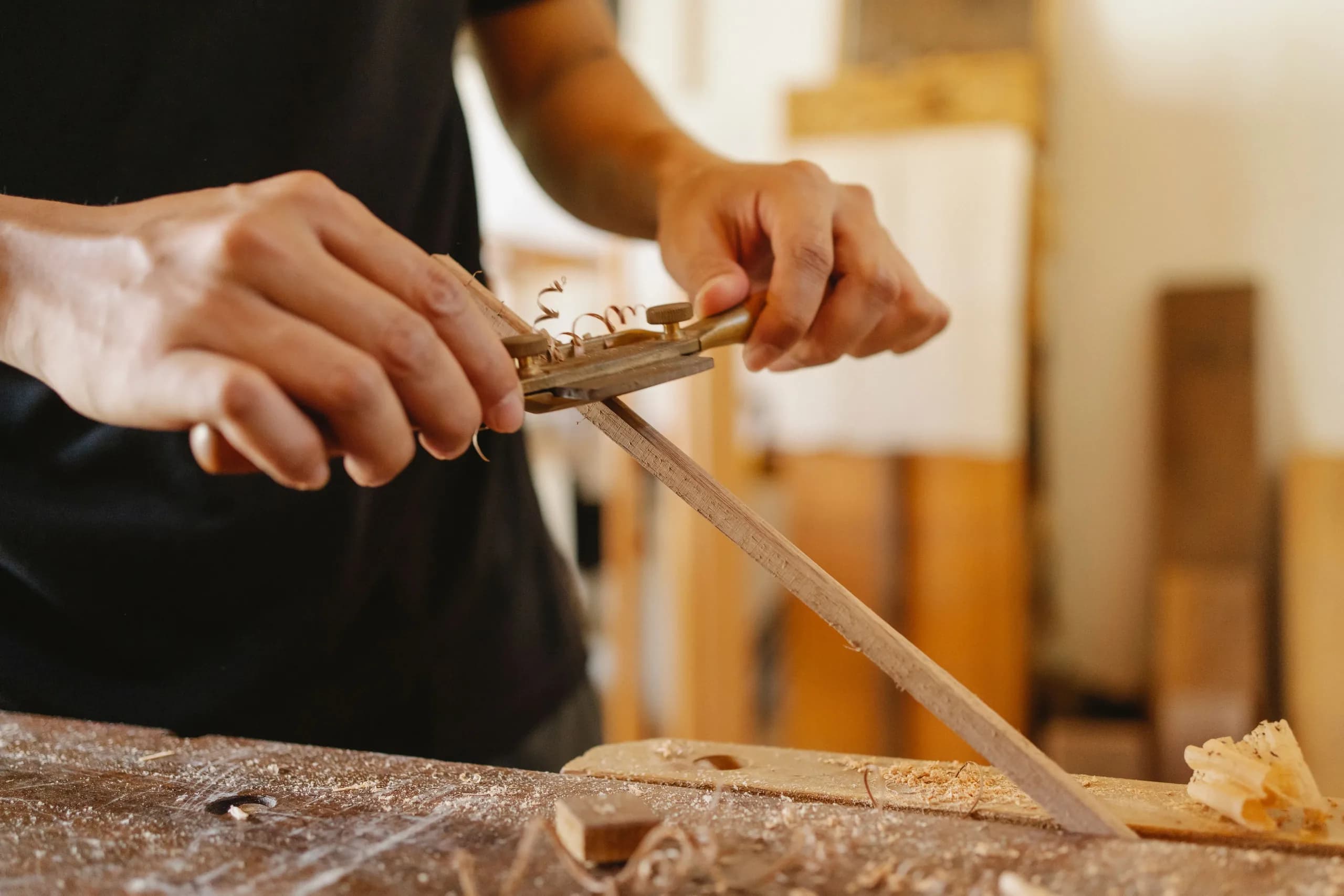
You will spend the first morning with a drawknife on a shaving horse, producing a leg. It is physical, it is meditative, and your forearms will inform you about it tomorrow.
A stool is a day, a chair a week
A stool is a day or two. A chair is a week, genuinely, and the people who run these courses will tell you that rather than sell you a chair you will not finish.
We would push most people towards the stool and a long lunch. It teaches the same three skills, it goes home with you, and a week of joinery is a holiday only for a specific kind of person.
Year round, though the wood is cut in winter and the best courses run in the months after — the material is at its most workable and the workshops are not hot.
Before you ask
Chairmaking: common questions
Anything not answered here, ask us directly — we'd rather you did.
What is green woodworking?
Making furniture from a tree felled that season, worked wet, with hand tools and no glue in the joints that matter. Wet wood is soft and shrinks as it dries, so you cut the legs wet and the seat dry and let the drying do the clamping. A chair made this way tightens for years instead of loosening.
How long does it take to make a chair by hand?
A chair is genuinely a week. A stool is a day or two, teaches the same three skills, and goes home with you, which is why we push most people towards the stool and a long lunch.
Is chairmaking physically hard?
It is physical and meditative. You spend the first morning with a drawknife on a shaving horse, producing a leg, and your forearms will tell you about it the next day.
When is the best time for a chairmaking course?
It runs year round, but the wood is cut in winter and the best courses run in the months after, when the material is most workable and the workshops are not hot.