




City & HistoryYear round
Old Town & the Vasa
Three hours on foot with a private guide, from the medieval lanes of Gamla stan to the warship Stockholm raised from its own harbour.
Where Stockholm began
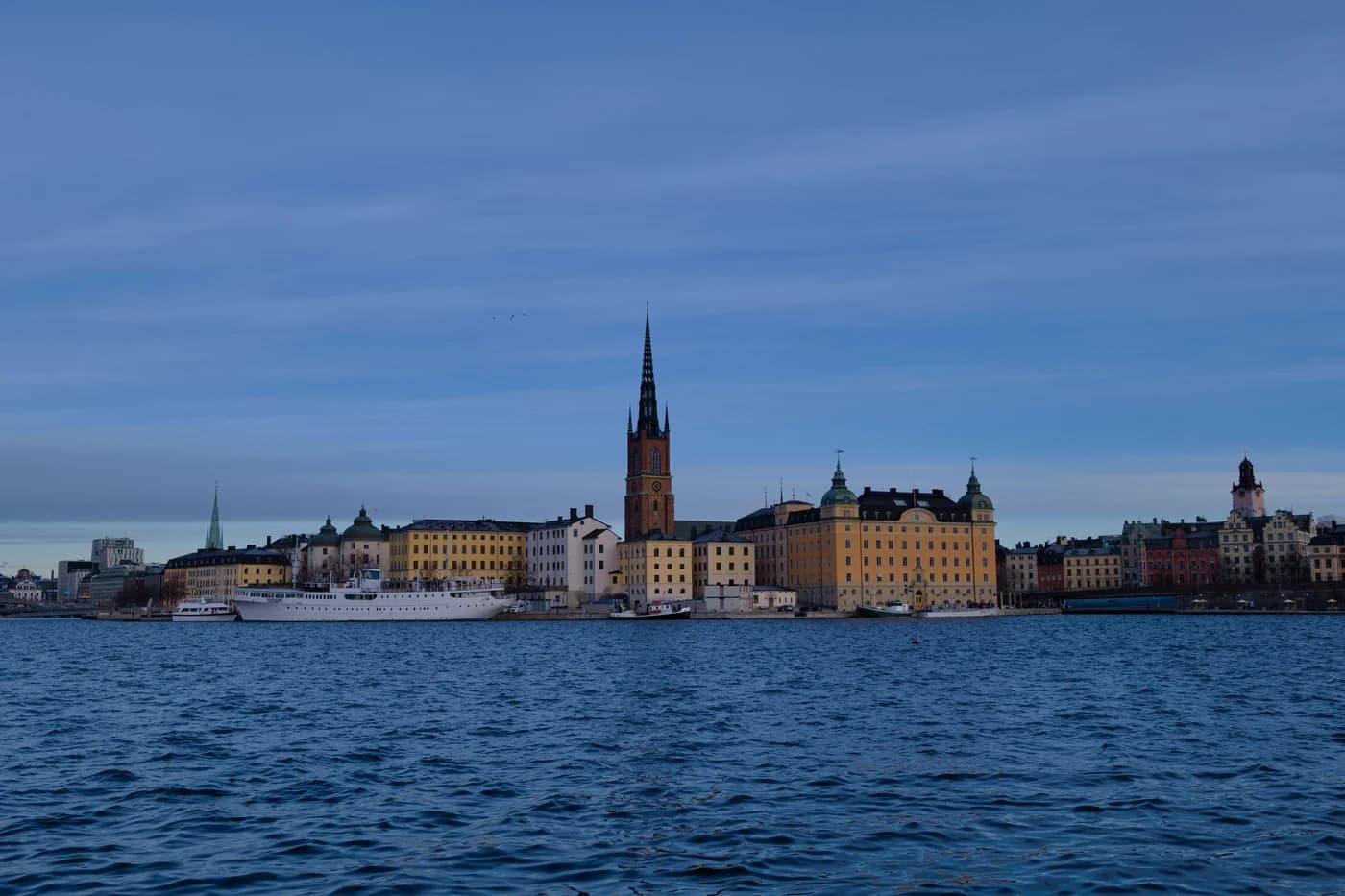
Gamla stan is where Stockholm began: a small island of medieval lanes between Lake Mälaren and the Baltic, with the Royal Palace on its high side and Stortorget, the old square, at its heart. The walk starts there, with a guide, your party and nobody else.
A private guide changes what three hours can hold. The route bends towards whatever you are curious about — the palace, Storkyrkan, the merchants' houses round the square, or Mårten Trotzigs gränd, a stepped alley less than a metre wide — and the pace is yours rather than a group's.
The streets are cobbled, and some are steep or stepped. Wear shoes with a proper sole, and tell us beforehand about anyone who finds uneven ground hard: the route can keep to the flatter streets.
Across the water to Djurgården
From the old town the walk follows the water out towards Djurgården, the green island where Stockholm keeps its museums. The Djurgården ferry from Slussen is a few minutes across; on foot it is around forty minutes along Strandvägen and over the bridge. Which one depends on the weather and on your legs.
Either way, the route is the point. You leave the medieval city and arrive in maritime Stockholm, which is the right order in which to meet the Vasa.
A late-morning start suits it best. The lanes are quietest early in the day, and the museum tends to be calmer in the afternoon, so the walk arrives when the queue is shorter.
The ship they raised
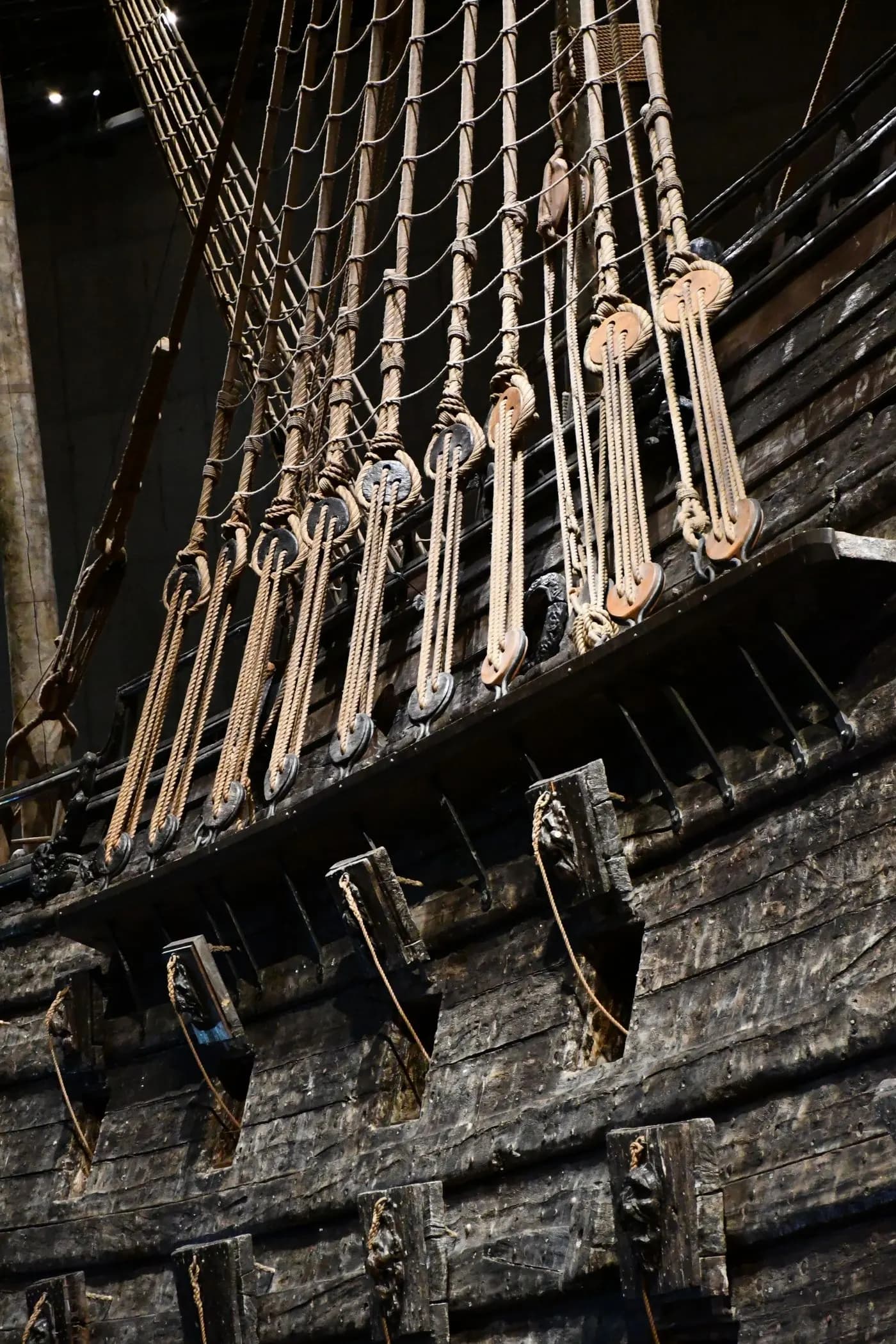
In August 1628 the Vasa, the most powerful warship the Swedish navy had ever ordered, sailed out on her maiden voyage and sank in the harbour, in full view of the people who had come to wave her off. She lay in the mud for 333 years, was raised in 1961, and now stands in a museum built around her, almost entirely original.
The guided walk ends at the museum, so you go in with the story still fresh, and you can stay as long as you like. The museum itself suggests about an hour and a half for a visit.
Children go free at the Vasa Museum, and there are lifts to every floor. Each part of your walk, museum entry among it, is listed separately in your plan with each provider's own price, before you book anything.
Before you ask
Old Town & the Vasa: common questions
Anything not answered here, ask us directly — we'd rather you did.
How long is the private Gamla stan and Vasa Museum tour?
About three hours, starting at Stortorget in Gamla stan and ending at the Vasa Museum on Djurgården. Most people stay on in the museum afterwards; the museum itself suggests about an hour and a half for a visit.
Can you walk from Gamla stan to the Vasa Museum?
Yes. It is around forty minutes on foot along Strandvägen and over the bridge to Djurgården. The Djurgården ferry from Slussen is the shorter way, a few minutes across the water, and the route can use either.
How is Vasa Museum entry paid for?
Your plan lists each part separately, museum entry among it, with each provider's own price, before you book anything.
Is the walk suitable for children or anyone with limited mobility?
Children are welcome, and go free at the Vasa Museum. Gamla stan is cobbled and some lanes are steep or stepped, so tell us beforehand about anyone who finds uneven ground hard and the route can keep to the flatter streets. The museum has lifts to every floor.
What is the best time of day for the tour?
A late-morning start. The old town's lanes are quietest early in the day, and the museum tends to be calmer in the afternoon, so the walk arrives when the queue is shorter.